
 Vista previa
 Compartir
 Compartir
 Ver detalles

 Descargar
 Ver similares
 Radiografía
 Presentación de diapositivas
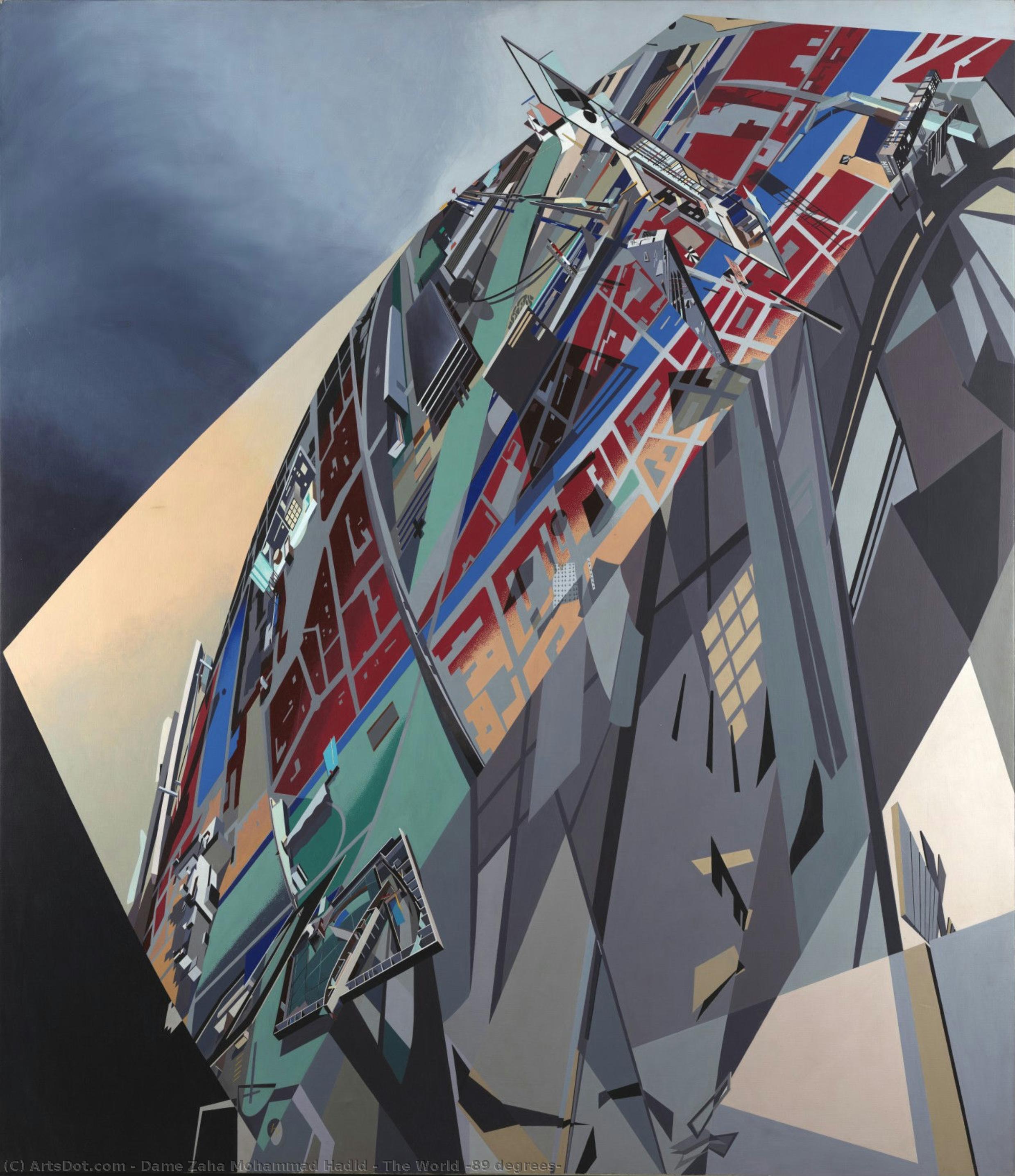
The World (89 degrees)
 Acrylic On Canvas
- WallArt
- Zaha Hadid Architecture
 1983
1983 220.0 x 189.0 cm
 Galerías Serpentine
 Leer más
Giclée / Impresión de arte
Impresiones giclée o en lienzo de calidad de museo con producción rápida y opciones de acabado flexibles. ( Encargar reproducción pintada a mano Comprar descarga)




P118B $10

P118H $10

P118W $10

P438Z $10

P508JH $12

P508YH $12

P805H $10

P805Z $10

P919BZ $10

P919G $10

P919XJ $10

P959ZH $10

P968JZ $12

W106C $8

W218G $10

W218JH $8

W218Y $10

W307PJ $10

W316G $10

W316PJ $8

W316Y $10

W398PJ $8

W4111J $10

W500HY $15

W500JH $15

W692G $12

W849H $8

W940BG $15

W953PJ $8




Elija entre nuestros tamaños predefinidos que respetan las proporciones originales de la obra.

Puede introducir sus propias dimensiones para adaptarse a un marco o espacio específico. Si el tamaño seleccionado no coincide con las proporciones de la imagen original, recortaremos la obra de arte o extenderemos la imagen con un borde con efecto espejo o de color sólido. Se enviará una maqueta digital para su aprobación antes de que comience la producción.
Tenga en cuenta que la vista previa en pantalla no refleja el recorte o la extensión real. Solo la maqueta mostrará con precisión la composición final.
Aunque existen tamaños personalizados, recomendamos seleccionar una dimensión de la lista predefinida para preservar las proporciones originales.
Envío a todo el mundo () en 2 semanas en lugar de las 4/5 semanas estándar. (19 agosto)

Envío exprés gratuito a todo el mundo

Lienzo de lino de alta calidad

Seguro de envío completo

Garantía de reembolso de aranceles aduaneros

Garantía de fidelidad cromática exacta

Política de devolución de 60 días (solo por defectos)

Garantía de devolución del 100% del dinero

Oferta por volumen
 La opción de vidrio solo está disponible en tamaños inferiores a 110 cm.

The World (89 degrees)
Giclée / Impresión de arte
Tamaño de la reproducción
-


Precio total
$ 80
Descripción de la pieza
A Fractured Vision: Unpacking Zaha Hadid’s ‘The World (89 Degrees)’
Zaha Hadid’s “The World (89 degrees),” painted in 1983, isn't merely a cityscape; it’s a meticulously constructed projection of an architectural future, a fever dream rendered in acrylic and imbued with the restless energy that defined her groundbreaking career. Born from a student thesis at the Architectural Association School of Architecture in London, this painting represents a pivotal moment – Hadid’s deliberate rejection of conventional representation and embrace of abstraction as a tool for exploring spatial possibilities. It's a visual manifesto, a declaration that architecture could be more than just static structures; it could be dynamic, fluid, and profoundly expressive.
The image presents a fragmented London, not as a familiar map but as a series of interlocking geometries – the iconic towers of the Shard, the curves of the Thames, and the angular forms of Hadid’s own nascent designs. Notice how she deliberately eschews right angles, replacing them with sweeping curves and distorted perspectives. This wasn't simply an aesthetic choice; it reflected her belief that architecture should challenge our perceptions of space and movement. The painting is a deliberate disruption of established norms, mirroring the radical ideas she would later bring to bear on some of the world’s most recognizable buildings.
Technique and Materiality: A Hybrid Approach
Hadid's technique was remarkably innovative for her time. She didn’t simply paint a cityscape; she layered multiple perspectives, creating an illusion of depth and movement through a complex interplay of lines and colors. The painting is built upon a foundation of acrylic paint, but Hadid incorporated elements of collage – fragments of maps, architectural drawings, and even sections of her own designs were integrated into the composition. This hybrid approach speaks to her desire to synthesize different disciplines—architecture, art, and engineering—into a single, unified vision.
The color palette is equally significant. Dominated by cool blues and greens, punctuated by flashes of vibrant red and yellow, it evokes both the dynamism of urban life and the underlying tension within Hadid’s architectural explorations. The use of layering creates an almost three-dimensional effect, inviting the viewer to step into the painting and become immersed in its fractured world.
Symbolism and a Prophetic Vision
“The World (89 degrees)” is rich with symbolic meaning. The title itself – “89 degrees” – refers to the angle of the horizon, suggesting an attempt to capture a fleeting moment of equilibrium within a constantly shifting environment. The fragmented nature of the cityscape can be interpreted as a reflection of the complexities and uncertainties of modern urban life. Furthermore, the inclusion of elements like airplanes hints at the increasing role of technology and transportation in shaping our world.
Crucially, the painting anticipates Hadid’s later work – her signature use of sweeping curves, dynamic forms, and a rejection of traditional architectural representation. It's a visual blueprint for the fluid, almost sculptural buildings she would go on to design, including the Heydar Aliyev Center in Baku and the Guangzhou Opera House. It represents a bold assertion that architecture could be both functional and profoundly expressive, capable of transforming our experience of space.
Legacy and Reproduction: Bringing Hadid’s Vision to Life
Zaha Hadid's influence on contemporary architecture is undeniable. “The World (89 degrees)” stands as a testament to her visionary thinking and her willingness to challenge established conventions. Today, high-quality reproductions of this iconic painting are available through platforms like OriginalUniqueArt.com, offering art lovers the opportunity to experience Hadid’s groundbreaking work in their own homes or offices.
More than just a beautiful image, “The World (89 degrees)” is a window into the mind of one of the 20th and 21st centuries' most influential architects. It invites us to reconsider our relationship with space, movement, and the built environment – a truly timeless piece that continues to inspire awe and wonder.
Biografía del artista
Vida Temprana y Educación
- Nacimiento: Zaha Mohammad Hadid nació el 31 de octubre de 1950 en Bagdad, Irak.
- Antecedentes Familiares: Provenía de una familia iraquí acomodada; su padre, Muhammad al-Hajj Husayn Hadid, era un próspero industrial y político, mientras que su madre, Wajiha al-Sabunji, era artista.
- Educación: Hadid inicialmente estudió matemáticas en la Universidad Americana de Beirut. En 1972, se mudó a Londres para estudiar arquitectura en la Architectural Association School of Architecture, graduándose en 1977.
- Mentores Influyentes: En la Architectural Association, estudió con arquitectos renombrados como Rem Koolhaas, Elia Zenghelis y Bernard Tschumi, quienes moldearon significativamente su pensamiento arquitectónico.
Estilo Artístico e Influencias
- Deconstructivismo: Hadid es ampliamente reconocida como una pionera de la arquitectura deconstructivista. Sus diseños a menudo presentan geometría fragmentada, formas dinámicas y un rechazo a las convenciones arquitectónicas tradicionales.
- Características Clave: Su estilo se caracteriza por líneas curvas, formas fluidas y una sensación de movimiento, creando edificios que parecen desafiar la gravedad.
- Influencias: Se inspiró en el Suprematismo y los movimientos de vanguardia rusos. La obra de Kazimir Malevich, en particular, influyó en sus primeros diseños, como se puede ver en su proyecto de graduación, “Malevich’s Tektonik.”
- La Pintura como Herramienta de Diseño: Hadid utilizó la pintura y el dibujo extensamente a lo largo de su carrera, viéndolos no solo como herramientas representacionales sino como integrales al proceso de diseño en sí mismo.
- Liberación Geométrica: Como describió The Guardian, ella “liberó la geometría arquitectónica, dándole una nueva identidad expresiva.”
Principales Obras y Logros
- Primeros Años de Carrera y Reconocimiento: Hadid estableció su propia práctica en Londres en 1980. Su trabajo inicial incluyó diseños como el Hong Kong Peak Club (1983), que mostró su enfoque innovador.
- Proyectos Emblemáticos: Algunos de sus proyectos más notables incluyen:
- Centro Acuático de Londres (Juegos Olímpicos de 2012)
- Broad Art Museum en Michigan, EE. UU.
- MAXXI – Museo Nacional de las Artes del Siglo XXI en Roma, Italia
- Ópera de Guangzhou, China
- Centro Heydar Aliyev, Bakú, Azerbaiyán
- Premios y Honores: Hadid recibió numerosos premios prestigiosos a lo largo de su carrera:
- Premio Pritzker de Arquitectura (2004) – el mayor honor en arquitectura.
- Premio Stirling (2010 y 2011)
- Medalla Real del Royal Institute of British Architects (2016) - la primera mujer en recibir este premio individualmente.
Legado e Impacto
- Papel Pionero para las Mujeres: Zaha Hadid rompió barreras como la primera mujer en lograr un amplio reconocimiento y éxito en un campo dominado por hombres, convirtiéndose en una inspiración para futuras generaciones de arquitectas.
- Influencia Transformadora: Su trabajo desafió las normas arquitectónicas convencionales y amplió los límites de las posibilidades del diseño. Dejó un impacto duradero en el entorno construido en todo el mundo.
- Relevancia Continua: Incluso después de su muerte en 2016, Zaha Hadid Architects continúa operando y completando proyectos basados en su visión y principios.
- Esfuerzos Artísticos Más Allá de la Arquitectura: Hadid también exploró medios artísticos más allá de la arquitectura, incluyendo la pintura y el diseño, como se ejemplifica en obras como “Tatlin Tower and Tectonic,” demostrando una combinación única de experiencia arquitectónica y visión artística.
- Presencia Global: Sus edificios se pueden encontrar en las principales ciudades del mundo, lo que demuestra su influencia internacional y su perdurable legado.
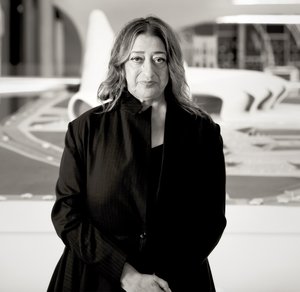
Dame Zaha Mohammad Hadid
1950 - 2016 , Irak
Datos clave
- Artistas Influenciados: ['Arquitectura Moderna']
- Artistas Que Influyeron: ['Kazimir Malevich']
- Fecha De Fallecimiento: 31 de marzo de 2016
- Fecha De Nacimiento: 31 de octubre de 1950
- Lugar De Nacimiento: Bagdad, Irak
- Movimiento Artístico: Deconstructivismo
- Nacionalidad: Iraquí-Británica
- Nombre Completo: Dame Zaha Mohammad Hadid
- Obras Notables:
- London Aquatics Centre
- MAXXI Museum
- Guangzhou Opera House
Artículos relacionados

Expresionismo Abstracto: 10 Obras Maestras que Transformaron el Arte |
Descubre las 10 obras maestras del Expresionismo Abstracto: Pollock, Rothko y más. Explora la historia, técnica y significado de estos lienzos icónicos. Reproducciones de arte exclusivas en .

Abstracción Geométrica: 10 Obras Maestras que Transformaron el Arte Moderno | OriginalUniqueArt
Descubre las 10 obras maestras de la abstracción geométrica que revolucionaron el arte moderno. Explora a Mondrian, Malevich y Kandinsky en OriginalUniqueArt.com. Reproducciones de alta calidad para tu hogar.
Beyond the Lines: Mastering the High-Impact World of Contemporary Abstraction
Master the high-impact world of contemporary abstraction. Discover how bold colors, textures, and modern movements like Abstract Expressionism can transform your space with premium, high-energy art curated for the design-conscious professional.

Kandinsky: Las 25 Obras Maestras del Pionero de la Abstracción | OriginalUniqueArt
Descubre las 25 obras maestras de Wassily Kandinsky, pionero del arte abstracto. Explora su expresionismo, composiciones únicas y la historia detrás de cada cuadro. Reproducciones de alta calidad para decorar tu hogar con arte moderno en OriginalUniqueArt.com.

The Soul of Color: A Journey into the Emotional Resonance of Lyrical Abstraction
Embark on a cultural journey through Lyrical Abstraction. Explore how masters like Kandinsky used color and motion to translate emotion into visual poetry. Discover the profound beauty of abstract expressionism and learn to curate emotional resonance in your own art collection.



