

 Vista previa
 Compartir
 Compartir
 Ver detalles

 Descargar
 Ver similares
 Radiografía
 Presentación de diapositivas
The Last Supper
 Acrylic On Canvas
- WallArt
- Renaissance Early
 1481
1481 349.0 x 570.0 cm
 Cappella Sistina
 Leer más
Reproducción al óleo hecha a mano
Óleo sobre lienzo pintado a mano en el tamaño y marco de su elección, realizado por encargo por nuestros artistas. ( Pedir impresión Comprar descarga)




P118B $10

P118H $10

P118W $10

P438Z $10

P508JH $12

P508YH $12

P805H $10

P805Z $10

P919BZ $10

P919G $10

P919XJ $10

P959ZH $10

P968JZ $12

W106C $8

W218G $10

W218JH $8

W218Y $10

W307PJ $10

W316G $10

W316PJ $8

W316Y $10

W398PJ $8

W4111J $10

W500HY $15

W500JH $15

W692G $12

W849H $8

W940BG $15

W953PJ $8




Elija entre nuestros tamaños predefinidos que respetan las proporciones originales de la obra.

Puede ingresar sus propias dimensiones para adaptarse a un marco o espacio específico. Si el tamaño seleccionado no coincide con las proporciones de la imagen original, recortaremos la obra o extenderemos la pintura con elementos adicionales pintados a mano. Se le enviará una maqueta digital para su aprobación antes de comenzar la producción.
Tenga en cuenta que la vista previa en pantalla no refleja el recorte o la extensión reales. Solo la maqueta mostrará con precisión la composición final.
Si bien existen tamaños personalizados, recomendamos seleccionar una dimensión de la lista predefinida para preservar las proporciones originales.
Tras realizar el pedido, el equipo de OriginalUniqueArt.com enviará un correo electrónico al cliente para solicitar instrucciones y proporcionarle una vista previa del boceto.
Envío a todo el mundo () en 3-4 semanas en lugar de las 5 semanas estándar. (18 agosto). Sin comprometer la calidad.

Envío exprés gratuito a todo el mundo

Lienzo de lino de alta calidad

Seguro de envío completo

Garantía de reembolso de aranceles aduaneros

Garantía de fidelidad cromática exacta

Política de devolución de 60 días (solo por defectos)

Garantía de devolución del 100% del dinero

Oferta por volumen
 La opción de vidrio solo está disponible en tamaños inferiores a 110 cm.

The Last Supper
Técnica de reproducción
Tamaño de la reproducción
-


Precio total
$ 300
Descripción de la obra
The Last Supper: A Renaissance Revelation
Cosimo Rosselli’s “The Last Supper,” painted in 1481–82 for the Sistine Chapel in Rome, isn't merely a depiction of a biblical meal; it’s a profound meditation on faith, betrayal, and the human condition. Commissioned during a period of immense artistic innovation—a time when Leonardo da Vinci was laying the groundwork for modern painting—Rosselli’s fresco stands as a testament to the Florentine Renaissance’s vibrant spirit and its masterful command of perspective and color. The scene unfolds within a meticulously rendered Roman dining room, bathed in an ethereal light that seems to emanate from the figures themselves. The composition is remarkably dynamic, eschewing the static formality often found in earlier religious art for a sense of immediate engagement. Notice how Rosselli cleverly uses spatial recession—the diminishing size of objects and figures as they recede into the background—to draw the viewer’s eye directly to Jesus at the center of the table.
Rosselli's technique is characterized by a bold, almost theatrical use of color. He departs from the muted tones favored by some of his contemporaries, opting instead for vibrant reds, blues, and golds that imbue the scene with an extraordinary luminosity. This heightened palette wasn’t simply decorative; it served to heighten the drama and emotional intensity of the event. The fresco employs a technique known as *tempera*, applied to a prepared gesso surface—a method that allowed for greater flexibility in altering details compared to traditional fresco painting, though it also meant a more fragile and susceptible final product. The careful layering of pigments and the masterful blending of colors demonstrate Rosselli’s exceptional skill and his willingness to experiment with new approaches.
Symbolism and Narrative Depth
Beyond its technical brilliance, “The Last Supper” is rich in symbolic meaning. The arrangement of the apostles around the table isn't arbitrary; it reflects their individual personalities and relationships within the group. Jesus’s gesture—a simple pointing towards himself—is a pivotal moment, signifying his impending sacrifice and offering a path to salvation. Pay close attention to Judas Iscariot, often depicted with a subtly sinister expression and clutching a bag of silver – a clear representation of his betrayal. The inclusion of the windows in the background isn’t just an architectural detail; they frame key events leading up to Christ's crucifixion: the prayer on Mount of Olives, the arrest, and ultimately, the agonizing scene of his death. These windows provide a visual narrative that deepens our understanding of the story.
Rosselli masterfully captures the emotional turmoil surrounding this pivotal event. The apostles’ reactions—shock, disbelief, fear, anger—are rendered with remarkable sensitivity. The artist doesn't shy away from portraying the uncomfortable truths of human nature: greed, jealousy, and betrayal. Yet, amidst the darkness, there is also a sense of profound sorrow and acceptance, reflecting the spiritual weight of the occasion.
Historical Context and Legacy
“The Last Supper” was created during a period of immense artistic ferment in Rome—a time when the city was vying with Florence for dominance in the Renaissance. Rosselli’s participation in this project highlights the interconnectedness of the Italian art world, as artists traveled between cities, exchanging ideas and techniques. The fresco's placement within the Sistine Chapel, a space dedicated to papal authority, underscores its importance as a symbol of Christian faith and power.
Despite suffering significant damage over the centuries due to environmental factors and restoration attempts, “The Last Supper” remains one of the most iconic images in Western art. Its innovative composition, vibrant colors, and profound symbolism continue to captivate viewers today. Reproductions offer a remarkable opportunity to experience this masterpiece firsthand, allowing us to appreciate Rosselli’s genius and his enduring contribution to the history of painting.
A Timeless Masterpiece for Your Space
OriginalUniqueArt offers meticulously crafted reproductions of Cosimo Rosselli's “The Last Supper,” ensuring that you can bring this extraordinary artwork into your home or office. Our high-quality prints capture the essence of the original fresco, faithfully reproducing its vibrant colors and dynamic composition. Whether you’re an art enthusiast, a collector, or simply seeking to add a touch of Renaissance grandeur to your surroundings, our reproductions provide a stunning tribute to one of history's greatest artistic achievements.
Biografía del artista
Vida Temprana e Influencias (1448-1470)
- Cosimo Rosselli nació en Florencia alrededor de 1448, hijo del pintor Guglielmo y neto del también pintor Francesco.
- Formación Inicial: Desde temprana edad, Cosimo se vio expuesto al mundo del arte gracias a su familia, lo que influyó en su decisión de seguir los pasos de sus antepasados.
- Aprendizaje con Domenico Ghirlandaio: Cosimo ingresó al taller de Domenico Ghirlandaio, uno de los pintores florentinos más importantes de la época, donde recibió una sólida formación en técnicas pictóricas y composición.
- Influencias Tempranas: El estilo de Ghirlandaio, caracterizado por su linealidad, claridad compositiva y uso de colores brillantes, marcó profundamente a Cosimo.
- Además del taller de Ghirlandaio, Cosimo también se vio influenciado por las obras de otros pintores florentinos como Fra Angelico y Filippo Lippi.
Participación en los Frescos de la Capilla Sixtina (1477-1482)
- En 1477, Cosimo fue invitado a Roma para participar en la decoración con frescos de la Capilla Sixtina bajo el patrocinio del Papa Sixto IV.
- Colaboración con Grandes Maestros: Cosimo tuvo la oportunidad de trabajar junto a otros grandes maestros como Sandro Botticelli, Pietro Perugino y Domenico Ghirlandaio.
- Asignación de Escenas: A Cosimo se le asignaron varias escenas del Antiguo Testamento para decorar las paredes de la capilla, incluyendo historias de Moisés y Josué.
- Estilo en la Capilla Sixtina: En sus frescos de la Capilla Sixtina, Cosimo demostró su habilidad para combinar el estilo lineal y claro de Ghirlandaio con una mayor sensibilidad a las emociones humanas.
- La experiencia en la Capilla Sixtina fue crucial para el desarrollo artístico de Cosimo y le permitió ganar reconocimiento como uno de los pintores florentinos más talentosos de su época.
Obras Maestras en Florencia (1482-1500)
- Tras su regreso a Florencia, Cosimo se dedicó a la creación de obras maestras para diversas instituciones religiosas y familias nobles.
- Frescos del Palazzo Medici: Cosimo pintó una serie de frescos en el Palazzo Medici Riccardi que representan escenas mitológicas y alegóricas.
- Decoración de la Capilla Tornabuoni: Cosimo colaboró con Domenico Ghirlandaio en la decoración de la Capilla Tornabuoni en la iglesia Santa Maria Novella, donde pintó varias escenas del Nuevo Testamento.
- Retablo para la Iglesia Santa Lucia: Cosimo creó un retablo para la iglesia Santa Lucia que representa a San Lucas evangelista rodeado de sus seguidores.
- Estilo en las Obras Maestras: En sus obras maestras florentinas, Cosimo demostró su habilidad para combinar el estilo lineal y claro de Ghirlandaio con una mayor sensibilidad a las emociones humanas y un uso más sofisticado del color.
Influencias Posteriores e Importancia Histórica (1500-1479)
- A pesar de su talento, Cosimo no alcanzó la misma fama que otros pintores florentinos como Botticelli o Leonardo da Vinci.
- Influencia en Pintores Posteriores: Sin embargo, Cosimo influyó en una generación de pintores posteriores, incluyendo a Andrea del Sarto y Pontormo.
- Estilo Lineal y Claro: El estilo lineal y claro de Cosimo fue apreciado por su capacidad para comunicar ideas complejas de manera sencilla y directa.
- Contribución al Renacimiento Florentino: Cosimo contribuyó significativamente al Renacimiento florentino, uno de los períodos más importantes de la historia del arte occidental.
- Cosimo Rosselli falleció en Florencia alrededor de 1479, dejando un legado artístico que continúa siendo apreciado por su belleza y sofisticación.

Cosimo Rosselli
1439 - 1507 , Italia
Datos clave
- Estilo Artístico: Renacimiento florentino
- Fecha De Muerte: c. 1520
- Fecha De Nacimiento: c. 1445
- Influenciados Por Este Artista: ['Artistas florentinos posteriores']
- Influencias Artísticas:
- Domenico Ghirlandaio
- Perugino
- Masaccio
- Lugar De Nacimiento: Florencia, Italia
- Nacionalidad: Italiana
- Nombre Completo: Cosimo Rosselli
- Obras Notables:
- Frescos en la Capilla Sixtina
- Frescos en Santissima Annunziata
- Retablos florentinos
Artículos relacionados
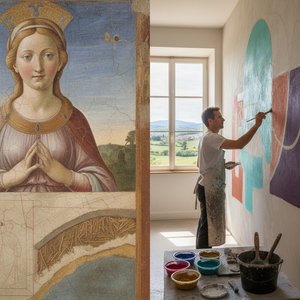
The Enduring Legacy of Fresco Painting: Techniques, History & Contemporary Relevance
Explore the rich history & enduring artistry of fresco painting – from Giotto to Michelangelo! Discover techniques, conservation efforts, & modern applications. Learn how OriginalUniqueArt brings this timeless art form to your home.

Legado en las Paredes: Frescos Familiares que Trascienden el Tiempo
Descubre el arte del fresco muralístico para inmortalizar tu historia familiar. Expertos en frescos personalizados y técnicas ancestrales. Crea un legado visual único con .

The Enduring Legacy of Fresco: Technique, History & Artistic Expression Across Cultures
Explore the rich history & enduring legacy of fresco painting! Discover ancient techniques, Giotto's masterpieces, and modern applications. Expert insights for art lovers & professionals.
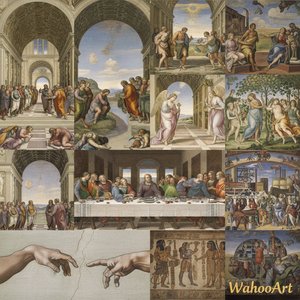
Frescos Legendarios: 10 Obras Maestras que Revolucionaron la Historia del Arte | OriginalUniqueArt
Descubre los 10 frescos más legendarios de la historia del arte, desde Miguel Ángel y Rafael hasta Giotto. Explora sus técnicas, historias y el impacto cultural que perdura. Reproducciones de alta calidad en OriginalUniqueArt.com.
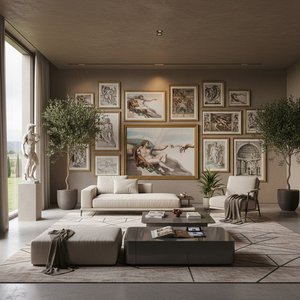
Michelangelo Buonarroti: Las 25 Obras Maestras que Definen un Genio del Renacimiento | OriginalUniqueArt
Descubre las 25 obras maestras de Michelangelo Buonarroti: del David a la Capilla Sixtina. Explora su historia, técnica y significado en el Renacimiento italiano. Reproducciones de arte exclusivas para tu hogar en OriginalUniqueArt.com.


