

 Ver en contexto
 Enviar
 Compartir
 Detalles
 Guía
Guía

 Descargar
 Similares
 Radiografía
 Presentación de diapositivas
 Estadísticas
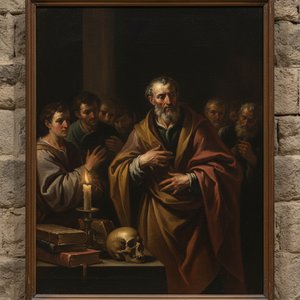
El triunfo de San Agustín
 Óleo sobre lienzo
- Arte de pared
- Pintura Barroca
 1664
1664- Edad Moderna temprana
 271.0 x 203.0 cm
 Museo del Prado
 Ver más
Giclée / Impresión de arte
Impresiones giclée o en lienzo de calidad de museo con producción rápida y opciones de acabado flexibles. ( Comprar pintura hecha a mano Cambiar a imagen digital)




P118B €10

P118H €10

P118W €10

P438Z €10

P508JH €12

P508YH €12

P805H €10

P805Z €10

P919BZ €10

P919G €10

P919XJ €10

P959ZH €10

P968JZ €12

W106C €8

W218G €10

W218JH €8

W218Y €10

W307PJ €10

W316G €10

W316PJ €8

W316Y €10

W398PJ €8

W4111J €10

W500HY €15

W500JH €15

W692G €12

W849H €8

W940BG €15

W953PJ €8




Elija entre nuestros tamaños predefinidos que respetan las proporciones originales de la obra.

Introduzca el ancho y el alto que necesite para adaptarse a su marco o pared. Una impresión solo puede recortarse, nunca hacerse más grande que la imagen original, por lo que un tamaño con una forma distinta perderá parte de la obra. Le enviaremos una maqueta digital para su aprobación antes de realizar cualquier impresión. La imagen que se muestra en esta página no refleja el recorte real; solo la maqueta lo hace.
Envío a todo el mundo () en 2 semanas en lugar de las 4/5 semanas estándar. (26 octubre)

Envío exprés gratuito a todo el mundo

Lienzo de lino de alta calidad

Seguro de envío total

Garantía de reembolso de aranceles aduaneros

Garantía de fidelidad cromática exacta

Política de devolución de 100 días (solo por defectos)

Garantía de devolución del 100% del dinero

Descuento por cantidad
 La opción de vidrio solo está disponible en tamaños inferiores a 110 cm.

El triunfo de San Agustín
Giclée / Impresión de arte
Dimensiones de la reproducción
-


Precio total final
€ 70
Una Visión de Majestuosidad Divina
En el corazón del Barroco español, donde los límites entre lo terrenal y lo divino a menudo se desdibujaban a través de un dramático juego de luces y sombras, Claudio Coello forjó uno de sus logros más profundos. El triunfo de San Agustín no es simplemente el retrato de un hombre santo; es una ventana sobrecogedora al fervor espiritual del siglo XVII. Al acercarse a esta obra maestra, el espectador es transportado de inmediato a una escena de grandeza celestial. La figura central, San Agustín de Hipona, emerge del lienzo como un patriarca anciano, con el rostro surcado por la sabiduría de décadas dedicadas a la profunda contemplación teológica. Ataviado con una rica túnica carmesí que exige atención, sostiene un báculo, anclando su autoridad espiritual dentro del reino físico. Sobre él, los cielos parecen abrirse mientras desciende una figura angelical, bañada en un resplandor luminoso que representa al Espíritu Santo, proyectando una luz divina sobre el sereno semblante del santo.
La composición es una clase magistral de dinamismo barroco. Coello renuncia a la simetría estática en favor de una disposición envolvente y energética que guía la mirada a través de una compleja narrativa de fe. A los costados, otras figuras emergen desde la periferia, añadiendo capas de emoción humana y devoción comunitaria a la escena. El entorno arquitectónico, plasmado con un detalle meticuloso, sirve como algo más que un simple telón de fondo; es una fortaleza simbólica de la autoridad divina, donde cada ornamento tallado y cada pesado drapeado hablan de la permanencia y el esplendor de la Iglesia. Esta interacción entre la arquitectura sólida y ornamentada y la presencia angelical etérea y flotante crea una tensión que resulta tanto cautivadora como espiritualmente inspiradora.
La Alquimia de la Luz y el Color
Desde el punto de vista técnico, Coello demuestra por qué fue considerado el último gran maestro de la escuela española del siglo XVII. Su uso del claroscuro —el contraste dramático entre sombras profundas y aterciopeladas y luces brillantes y penetrantes— es nada menos que transformador. A través de capas de pigmento translúcido, Coello logra una superficie luminosa que parece irradiar su propia luz interna. Esta técnica hace más que definir la forma; infunde vida a las texturas de la pintura, desde los pliegues pesados y táctiles de las túnicas rojas del santo hasta la apariencia suave y casi ingrávida de las alas angelicales. La paleta de colores es opulenta y deliberada, utilizando rojos profundos, dorados y tonos terrosos para evocar una sensación de calidez, riqueza y gravedad histórica.
Para el coleccionista exigente o el diseñador de interiores, esta obra ofrece una oportunidad inigualable para introducir un sentido de profundidad histórica y drama sofisticado en cualquier espacio. Una reproducción de alta calidad de esta pieza sirve como un punto focal profundo, capaz de dotar de carácter a una estancia con su intensa resonancia emocional y elegancia clásica. Es una pintura que exige contemplación, invitando a todo aquel que la observe a reflexionar sobre los temas de la sabiduría, la gracia y el triunfo perdurable del espíritu. Ya sea colocada en una gran biblioteca o en un entorno de galería curado, El triunfo de San Agustín aporta consigo el prestigio inconfundible del Siglo de Oro español.
Preguntas y respuestas
¿Cuándo y con qué técnica se realizó "El triunfo de San Agustín"?
"El triunfo de San Agustín" fue creada en 1664 mediante la técnica de Óleo sobre lienzo. El material y la fecha describen cómo y cuándo se realizó la obra original.
¿A qué estilo pertenece "El triunfo de San Agustín"?
"El triunfo de San Agustín" es una obra de Pintura Barroca. El movimiento indica la tradición artística a la que pertenece la obra.
¿Dónde puedo ver una vista previa de "El triunfo de San Agustín"?
Para previsualizar una reproducción de "El triunfo de San Agustín" de Claudio Coello, acceda a la página de Vista previa de la obra de la obra.
Biografía del artista
A Legacy in Light: The Life and Art of Claudio Coello
Claudio Coello, born in Madrid in 1642, stands as a pivotal figure bridging the High Baroque and the nascent Rococo styles in Spanish painting. Often hailed as the last great master of the 17th-century Spanish school, his career unfolded against a backdrop of shifting artistic tastes and political complexities. While many artists before him enjoyed widespread international renown, Coello’s significance lies not only in his technical prowess but also in his ability to capture the essence of a fading era—an age of courtly splendor and deeply held religious conviction.
Coello's lineage itself speaks volumes about the artistic currents that shaped his vision. His father, Faustino Coello, was a celebrated Portuguese sculptor, instilling within his son an early appreciation for form and craftsmanship. This foundation led him to the studio of Francisco Rizi, where he received formal training in drawing and painting. However, it was through a fortunate connection with Juan Carreño de Miranda that young Claudio gained access to the royal collections—a treasure trove of masterpieces by Titian, Rubens, and Van Dyck. These works proved transformative, igniting within him a passion for rich color palettes, dynamic compositions, and the nuanced portrayal of human character.
The Court Painter and Religious Devotion
Coello’s ascent was marked by a series of increasingly prestigious commissions. He initially garnered attention with altarpieces like that for San Plácido in Madrid, demonstrating an early mastery of Flemish and Venetian influences. His talent soon caught the eye of the Archbishop of Saragossa, leading to significant religious works within that region. Yet, it was his appointment as court painter to King Charles II in 1683 that truly cemented his reputation. This position afforded him unparalleled opportunities to depict the Spanish aristocracy, culminating in one of his most ambitious projects: the immense altarpiece for the sacristy of El Escorial.
The *Adoration of the Miraculous Host* at El Escorial is a testament to Coello’s skill and ambition. Spanning seven years of meticulous work, this monumental composition features over fifty portraits—a veritable who's who of Spanish royalty and prominent courtiers. More than just a display of portraiture, it’s a carefully constructed narrative imbued with religious fervor and symbolic weight. The painting seamlessly blends the sacred and the secular, reflecting the deeply intertwined nature of faith and power in 17th-century Spain. Coello's ability to capture not only likeness but also personality—the subtle nuances of expression and posture—elevates this work beyond mere representation.
Influences and Artistic Development
Coello’s style wasn’t born in isolation; it was a synthesis of diverse influences, skillfully adapted to his own unique vision. The dramatic chiaroscuro of Caravaggio resonated within his compositions, lending them a sense of theatrical intensity. However, he tempered this with the vibrant colorism and fluid brushwork characteristic of Venetian masters like Titian and Veronese. The elegance and refined portraiture of Anthony van Dyck also left an indelible mark on his work, particularly evident in his depictions of Charles II.
While deeply indebted to these predecessors, Coello wasn’t merely a copyist. He developed a distinctive approach characterized by bold compositions, meticulous detail, and a masterful use of light to create atmosphere and emotional impact. His frescoes, though many were tragically lost, reveal a penchant for *trompe l'oeil* effects—illusionistic architectural elements that expanded the perceived space of his paintings. He also possessed a remarkable ability to convey texture and materiality, bringing a tangible realism to fabrics, jewels, and skin tones.
A Disheartening Finale and Enduring Legacy
Despite his considerable talent and royal patronage, Coello’s later years were tinged with disappointment. The arrival of Luca Giordano in Spain in 1692 marked a turning point—the Italian painter's more flamboyant style quickly gained favor at court, overshadowing Coello’s refined approach. The commission for the grand staircase at El Escorial was awarded to Giordano, a decision that deeply mortified Coello and is often cited as a contributing factor to his untimely death in 1693.
However, Coello's legacy endures. He remains celebrated as one of the last great Spanish painters of the 17th century, bridging the gap between the Baroque grandeur of Velázquez and the emerging Rococo sensibilities. His works—found in museums like the Museo del Prado and Pembroke College Oxford—continue to captivate viewers with their technical brilliance, emotional depth, and evocative portrayal of a bygone era. His influence can be traced in the work of later Spanish artists, solidifying his place as a pivotal figure in the history of Spanish art.

Claudio Coello
1642 - 1693 , España
Datos clave
- Artistas Influenciados: ['Pintores españoles tardíos']
- Artistas Que Influyeron:
- Diego Velázquez
- Rubens
- Tiziano
- Fecha De Fallecimiento: 20 de abril de 1693
- Fecha De Nacimiento: 2 de marzo de 1642
- Lugar De Nacimiento: Madrid, España
- Movimiento Artístico: Barroco español
- Nacionalidad: Hispano-portugués
- Nombre Completo: Claudio Coello
- Obras Notables:
- Adoración del Host
- Retrato de Carlos II
Artículos relacionados

The Golden Age Reforged: Dramatic Realism & Religious Zeal in Spanish Baroque Art
Explore the dramatic world of Spanish Baroque art! Discover masters like Zurbarán & the powerful influence of religious zeal on painting techniques – a guide for collectors and enthusiasts.
Spanish Baroque Art: The Dramatic Mastery of Light and Shadow in the Age of Velázquez
Explore the profound drama of Spanish Baroque art. Delve into the mastery of light, shadow, and realism through the legendary works of Diego Velázquez and the Spanish Golden Age.

Giclée Prints: Archival Quality & Aesthetic Nuances for the Discerning Collector
Explore the world of giclée prints with OriginalUniqueArt. Learn about archival quality, aesthetic nuances & investment potential. Expert guidance for discerning art collectors seeking museum-quality reproductions and lasting value.

The Dramatic Flourish: Exploring the Baroque Movement's Enduring Legacy in Art History
Explore the dramatic world of Baroque art! Discover iconic artists like Caravaggio & Rubens, defining techniques, and its lasting impact on art history. Expert insights for collectors & enthusiasts at OriginalUniqueArt.

The Enduring Legacy of Fine Art Prints: Technique, History & Aesthetic Impact
Explore the rich history & techniques of fine art prints. Discover investment potential, assess authenticity, and learn how to preserve your collection with expert guidance. Trusted insights for discerning collectors.


