Cambiar a impresiones
 Ver más







































 Para obras de arte o reproducciones que midan más de 105 cm (aproximadamente 41 pulgadas) en cualquiera de sus lados, el marco se enviará como un kit desmontado. Este método garantiza una entrega segura y evita daños durante el transporte.


A Symphony of Light and Water: Exploring Monet’s “Water Lilies” (63)
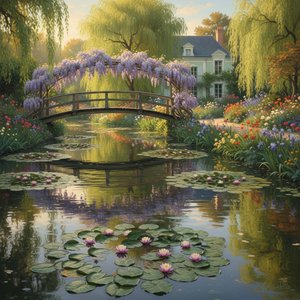
Claude Monet's "Water Lilies" (63), painted in 1919, is more than just a depiction of a garden pond; it’s an immersive experience of light, color, and atmosphere. This work exemplifies the culmination of Monet’s lifelong fascination with capturing the ephemeral qualities of nature, particularly as found within his beloved gardens at Giverny. The painting invites viewers into a tranquil world where reflections dance on the water's surface and delicate blossoms seem to float in suspended animation. It is a pivotal piece within his extensive series, showcasing his dedication to exploring the nuances of light and its effect on perception.Impressionistic Innovation & Artistic Technique
“Water Lilies” (63) stands as a testament to Monet’s mastery of plein air painting and his revolutionary Impressionistic style. Rejecting traditional academic techniques, Monet employed loose brushstrokes and vibrant, unmixed colors to convey the *impression* of light rather than a precise representation of form. Notice how the six distinct red flowers punctuate the predominantly green and blue palette, drawing the eye into the composition’s depths. The water itself isn't rendered as a solid surface but as a shimmering plane of reflected light and color. This technique creates a sense of movement and fluidity, capturing the ever-changing nature of the pond. Monet’s layering of paint builds texture and depth, inviting close inspection and rewarding viewers with new discoveries upon each viewing.Monet's Legacy & The Water Lilies Series
Claude Monet was a foundational figure in the Impressionist movement, challenging artistic conventions and paving the way for modern art. His dedication to capturing fleeting moments of light and atmosphere revolutionized landscape painting. The “Water Lilies” series, created during the later years of his life as he battled declining eyesight, represents the pinnacle of this exploration. These paintings weren’t simply studies of nature; they were meditations on beauty, memory, and the passage of time. Monet envisioned these works as immersive environments, ultimately leading to the creation of large-scale panoramic installations like those found at the Musée de l'Orangerie in Paris, designed to envelop viewers in a world of color and light. His influence extends far beyond painting, inspiring artists across disciplines for generations.Experiencing “Water Lilies” (63) Today
“Water Lilies” (63) evokes feelings of serenity, peace, and connection with the natural world. Its calming palette and fluid composition make it an ideal addition to any space seeking a touch of tranquility. Whether you are an art collector, interior designer, or simply an admirer of beauty, this painting offers a timeless aesthetic that transcends trends. High-quality reproductions allow you to bring Monet’s vision into your home, offering a daily reminder of the power and beauty of nature. Consider pairing it with complementary colors like soft blues, greens, and whites to enhance its calming effect within an interior space.Additional Research:
- Useful Links:
- Water Lilies (63): Experience Claude Monet’s “Water Lilies” (63). A serene Impressionist masterpiece showcasing vibrant colors & nature's beauty. Explore this iconic artwork today!
- Morning at Etretat: Morning at Etretat
- Water Lilies | The Art Institute of Chicago: Water Lilies | The Art Institute of Chicago
- Claude Monet - Water Lilies - The Metropolitan Museum of Art: Claude Monet - Water Lilies - The Metropolitan Museum of Art
- Nymphéas bleus - Claude Monet | Musée d'Orsay: Nymphéas bleus - Claude Monet | Musée d'Orsay
- Artist Information:
Claude Monet
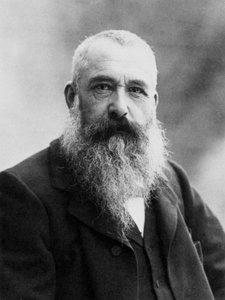
Oscar-Claude Monet, a name synonymous with Impressionism, wasn’t merely a painter of landscapes; he was a chronicler of fleeting moments, a poet of light and color. Born in Paris on November 14, 1840, his early life took an unexpected turn when his family relocated to Le Havre, Normandy, at the age of five.
- Size: Unknown
- Date: 1919
- Material: Oil on canvas
- Dimensions: 89.9 × 94.1 cm (35 3/8 × 37 1/16 in.); Framed: 103.2 × 107 × 5.8 cm (40 5/8 × 42 1/8 × 2 1/4 in.)
- Credit Line: Mr. and Mrs. Martin A. Ryerson Collection
- Reference Number: 1933.1157
- IIIF Manifest: https://api.artic.edu/api/v1/artworks/16568/manifest.json
- Provenance: Musée Marmottan, Paris; E. Tériade, Paris; Durand-Ruel, Paris; Bernheim-Jeune, Paris; Henri Canonne; Wildenstein; Walter H. and Leonore Annenberg
- Exhibition History: Musée Marmottan Monet, Paris; Musée d'Orsay, Paris; The Metropolitan Museum of Art, New York; Saint Louis Art Museum; Philadelphia Museum of Art; Tate Gallery, London
Preguntas y respuestas
¿Se puede descargar la imagen de "Las Lilas Grandes"?
Puede descargar la imagen de "Las Lilas Grandes" de Claude Monet en la página de Descargar imagen digital de la obra: descarga de una imagen digital en alta resolución.
¿A qué etapa de la trayectoria de Claude Monet corresponde la fecha de 1919 de "Las Lilas Grandes"?
Dada su fecha de 1919, "Las Lilas Grandes" se sitúa en el Madurez de Claude Monet.
¿Qué nivel de saturación e intensidad presenta "Las Lilas Grandes" de Claude Monet?
Los colores de "Las Lilas Grandes" de Claude Monet presentan una saturación Presencia clara del color con una intensidad Vívido.
 Ver en contexto
 Enviar
 Compartir
 Detalles
 Guía
Guía

 Descargar
 Similares
 Radiografía
 Presentación de diapositivas
 Preguntas y respuestas
 Estadísticas