Cambiar a impresiones
 Ver más







































 Para obras de arte o reproducciones que midan más de 105 cm (aproximadamente 41 pulgadas) en cualquiera de sus lados, el marco se enviará como un kit desmontado. Este método garantiza una entrega segura y evita daños durante el transporte.


Camille on the Beach: A Symphony of Light and Domestic Tranquility
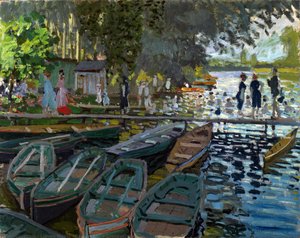
Claude Monet’s “Camille on the Beach,” painted in 1870, transcends mere landscape depiction; it's an intimate portrait of a relationship blossoming amidst the idyllic beauty of Normandy. More than just capturing a seaside vista, this canvas delves into Monet’s evolving connection with Camille Doncieux—a woman who would become his lifelong companion and muse—reflecting a pivotal moment in Impressionist art history. Its presence at the Musée Marmottan Monet serves as a testament to its enduring appeal and artistic significance.Composition & Technique: Breaking Down Reality
Monet’s revolutionary approach to painting is immediately apparent upon examining “Camille on the Beach.” He abandons traditional academic conventions, prioritizing sensory experience over meticulous representation. Instead of blending colors seamlessly, Monet employs *broken color*, applying paint in small, discrete strokes—a technique painstakingly developed by Boudin—to recreate the shimmering luminescence of sunlight dancing across the water and sand. This method isn’t simply aesthetically pleasing; it's intellectually driven, attempting to capture the fleeting nature of perception itself. The flattened perspective contributes powerfully to the painting’s serene atmosphere, guiding the viewer’s gaze towards a harmonious balance between observation and emotion. Notice how Monet builds up layers of pigment with visible brushstrokes—a deliberate choice that invites us into the artist's process and imbues the artwork with palpable texture.Historical Context & Symbolism: An Ode to Domestic Bliss
“Camille on the Beach” emerged during a transformative period for Impressionist artists, who were actively challenging established artistic norms. They rejected idealized depictions of nature in favor of portraying subjective experience—a radical departure from the grand narratives favored by previous generations. Monet’s inclusion of Camille Doncieux – his beloved – is not merely sentimental; it represents a broader exploration of domestic life as an antidote to the anxieties prevalent during this era. The seemingly unassuming spoons scattered across the beach hold symbolic weight, representing nourishment and comfort—a subtle yet poignant reminder of the quiet contentment captured within the scene. They speak to Monet’s desire to portray a world untouched by grand ambition, prioritizing simple pleasures and genuine connection.Monet's Series Paintings & Artistic Legacy: The Pursuit of Ephemeral Beauty
Like many Impressionist painters, Monet recognized that capturing the essence of nature demanded repetition—a practice known as “series paintings.” While "Camille on the Beach" isn’t formally categorized within a specific series, it embodies Monet’s overarching artistic philosophy: to distill complex natural phenomena into their most luminous and memorable expressions. This dedication to revisiting subjects under varying conditions – light, weather, time of day – underscores his unwavering commitment to documenting the beauty of the everyday world—a legacy that continues to inspire artists today.Emotional Impact & Artistic Significance
Ultimately, “Camille on the Beach” succeeds in conveying a profound sense of tranquility and warmth. Monet’s masterful use of color and texture transports us to Trouville Beach, allowing us to experience the beauty of summer alongside Camille and her nanny. It's a painting that speaks to the human desire for connection, comfort, and appreciation—a timeless masterpiece that secures its place as one of Impressionism’s most cherished achievements.Preguntas y respuestas
¿Puedo ver "Camille en la playa" de Claude Monet en mi propia pared antes de comprarlo?
La página de Vista previa en RA de "Camille en la playa" de Claude Monet utiliza realidad aumentada para mostrar la obra en su propio espacio, mediante un dispositivo compatible.
¿Es "Camille en la playa" de dominio público?
Información sobre los derechos de autor de "Camille en la playa" de Claude Monet: la obra es en el dominio público: sus derechos de autor han expirado. Esto determina si las reproducciones de la imagen pueden realizarse libremente.
¿Qué edad tenía Claude Monet cuando se creó "Camille en la playa"?
Claude Monet creó "Camille en la playa" a la edad de 30. El artista nació en 1840 y la obra data de 1870.
 Ver en contexto
 Enviar
 Compartir
 Detalles
 Guía
Guía

 Descargar
 Similares
 Radiografía
 Presentación de diapositivas
 Preguntas y respuestas
 Estadísticas