Vista previa
 Compartir
 Compartir
 Ver detalles
 Guía
Guía

 Descargar
 Ver artículos similares
 Radiografía
 Presentación de diapositivas
 Estadísticas
Shipwreck
 Acrylic On Canvas
- WallArt
- Rococo
 1759
1759- Late Medieval
 96.0 x 134.0 cm
 Groeningemuseum
 Leer más
Reproducción al óleo hecha a mano
Óleo sobre lienzo pintado a mano en el tamaño y marco de su elección, realizado por encargo por nuestros artistas. ( Cambiar a formato impreso Ver versión en imagen digital)




P118B €10

P118H €10

P118W €10

P438Z €10

P508JH €12

P508YH €12

P805H €10

P805Z €10

P919BZ €10

P919G €10

P919XJ €10

P959ZH €10

P968JZ €12

W106C €8

W218G €10

W218JH €8

W218Y €10

W307PJ €10

W316G €10

W316PJ €8

W316Y €10

W398PJ €8

W4111J €10

W500HY €15

W500JH €15

W692G €12

W849H €8

W940BG €15

W953PJ €8




Elija entre nuestros tamaños predefinidos que respetan las proporciones originales de la obra.

Escriba el ancho y el alto que necesite para adaptarse a su marco o a su pared. Al ser una obra pintada a mano, para un tamaño con una forma distinta, el artista puede pintar un poco más alrededor de la imagen o recortar un poco; usted elige. Le enviaremos una maqueta digital para su aprobación antes de comenzar la pintura. La imagen que se muestra en esta página no refleja el resultado real; solo la maqueta lo hace.
Tras realizar el pedido, el equipo de OriginalUniqueArt.com enviará un correo electrónico al cliente para solicitar instrucciones y proporcionarle una vista previa del boceto.
Envío a todo el mundo () en 3-4 semanas en lugar de las 5 semanas estándar. (23 octubre). Sin comprometer la calidad.

Envío exprés gratuito a todo el mundo

Lienzo de lino de alta calidad

Seguro de envío completo

Garantía de reembolso de impuestos aduaneros

Garantía de fidelidad cromática exacta

Política de devolución de 100 días (solo por defectos)

Garantía de devolución del 100% del dinero

Oferta por volumen
 La opción de vidrio solo está disponible en tamaños inferiores a 110 cm.

Shipwreck
Técnica de reproducción
Tamaño de la reproducción
-


Precio total
€ 264
A Tempestuous Vision: The Shipwreck by Claude-Joseph Vernet
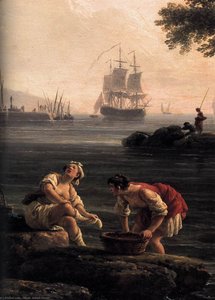
Claude-Joseph Vernet’s “Shipwreck” (1759) isn't merely a depiction of maritime disaster; it’s a visceral plunge into the heart of the sublime – that potent blend of terror, awe, and exhilaration evoked by confronting the raw power of nature. Painted during the height of the Rococo period in France, yet imbued with a dramatic intensity that anticipates Romanticism, this work transcends its subject matter to become a meditation on human vulnerability against an indifferent universe. The painting immediately commands attention with its dynamic composition, a swirling vortex of turbulent sea and bruised sky, pulling the viewer into the chaotic drama unfolding before them.
Vernet masterfully employs the techniques characteristic of his era – a meticulous attention to detail combined with a loose, expressive brushstroke. Notice how he renders the churning waves, not as smooth forms but as frothing crests and shadowed troughs, conveying an almost palpable sense of movement. The light is equally crucial; it’s fractured and diffused by the storm clouds, casting dramatic highlights on the wreckage and creating pools of deep shadow that heighten the feeling of unease. The artist's use of chiaroscuro – the stark contrast between light and dark – isn’t simply for aesthetic effect but serves to amplify the drama and underscore the precariousness of the scene.
Echoes of the Sublime: Rococo Meets Romanticism
“Shipwreck” occupies a fascinating space within art history. While firmly rooted in the decorative elegance of the Rococo style – evidenced by the vibrant palette, the intricate details of the ship’s rigging (though rendered with a slightly more rugged quality than typical for the period), and the overall sense of theatricality – it also foreshadows the Romantic movement's fascination with untamed nature. Vernet was deeply influenced by the philosophical ideas of Jean-Jacques Rousseau, who championed the beauty and power of the natural world as a counterpoint to the artificiality of courtly life. This painting embodies that sentiment, presenting a storm at sea not as a destructive force but as an overwhelming spectacle of sublime grandeur.
The historical context is equally important. Vernet’s work reflects the growing European interest in maritime exploration and trade during the 18th century. Shipwrecks were frequent occurrences, often resulting in significant loss of life and cargo – events that captured the public imagination. Vernet's painting taps into this collective anxiety about the perils of the sea while simultaneously celebrating its breathtaking beauty. It’s a reminder of humanity’s smallness within the vastness of the ocean.
Figures Amidst Ruin: Symbolism and Human Drama
Scattered along the rocky shoreline are several figures, rendered in stark silhouette against the brightly lit background. These aren't heroic rescuers; they are ordinary people – men and women – overwhelmed by the scale of the disaster. Their postures suggest a mixture of despair, frantic activity, and perhaps even a desperate hope for survival. Vernet doesn’t offer easy answers or moral judgments; he simply presents these individuals as witnesses to an event beyond their control. The inclusion of these human figures elevates the painting from a purely landscape study to a poignant meditation on mortality and resilience.
In the background, a partially obscured castle-like structure – likely a coastal fortress or lighthouse – adds another layer of symbolism. It represents both protection and vulnerability, suggesting that even the most formidable structures are ultimately subject to the forces of nature. The presence of this architectural element anchors the scene within a specific geographical context while simultaneously emphasizing the insignificance of human endeavors in the face of overwhelming natural power.
A Legacy of Dramatic Seascapes
Signed “C. J. Vernet” in the lower right corner, "Shipwreck" stands as a testament to Claude-Joseph Vernet’s mastery of marine painting. It's a work that continues to resonate with viewers today, not only for its technical brilliance but also for its profound exploration of human emotion and the sublime power of nature. Reproductions of this iconic image offer a captivating glimpse into a pivotal moment in art history – a moment when the Rococo’s decorative elegance yielded to the Romantic spirit's embrace of untamed beauty and dramatic intensity.
Preguntas y respuestas
¿A qué estilo pertenece "Shipwreck"?
El movimiento asociado con "Shipwreck" de Claude-Joseph Vernet es Rococo. Esta clasificación sitúa la obra entre artistas y obras relacionadas.
¿Cómo equilibra la luz y la sombra "Shipwreck"?
Los valores registrados para "Shipwreck" de Claude-Joseph Vernet son: shadow de brillo y Soft Shadow de luminancia.
¿Es "Shipwreck" una obra famosa del Rococo?
Dentro del movimiento Rococo, "Shipwreck" posee un nivel de popularidad Recognized.
Biografía del artista
Primeros años y formación
Claude-Joseph Vernet, un renombrado pintor francés, nació el 14 de agosto de 1714 en Burdeos, Francia. Desde la tierna edad de cinco años, exhibió una pasión extraordinaria por dibujar caballos, lo que más tarde se convertiría en una característica distintiva de su carrera artística. Vernet recibió la formación académica tradicional como alumno de su padre y Nicolas-Bernard Lépicié, perfeccionando aún más sus habilidades.Logros destacados
- En 1782, Vernet ganó el prestigioso Prix de Rome, un testimonio de su destreza artística.
- Su hijo, Antoine Charles Horace Vernet, también siguió los pasos de su padre como pintor.
Obras icónicas
- Intérieur du port de Marseille (1754) - Una obra maestra que muestra la habilidad de Vernet para capturar la esencia de las escenas marítimas.
- Una vista del puerto de Nápoles con el monte Vesubio en el fondo (1774) - Un ejemplo impresionante de su capacidad para equilibrar paisaje y arquitectura.
Evolución artística e influencias
Claude-Joseph Vernet desarrolló un estilo distintivo caracterizado por la elegancia equina, una profunda comprensión de los caballos y una representación realista de paisajes marítimos. Su formación académica le proporcionó una base sólida en técnicas tradicionales, pero su interés particular por el movimiento y la vitalidad de los animales lo llevó a explorar nuevas formas de representar la figura equina en sus obras. Vernet se inspiró en artistas como Claude Lorrain y Gaspard Dughet, maestros del paisaje clásico francés, quienes influyeron en su enfoque de la composición y el uso de la luz. Su trabajo temprano muestra influencias rococó, pero con el tiempo evolucionó hacia un estilo más sobrio y realista, reflejando las tendencias artísticas de su época.Legado e importancia histórica
El legado de Vernet reside en su capacidad para combinar la precisión técnica con una sensibilidad artística que captura la belleza y el dinamismo del mundo natural. Sus representaciones de puertos, barcos y caballos son ejemplos notables de su maestría en la pintura paisajística y marítima. Su obra contribuyó significativamente al desarrollo del arte francés del siglo XVIII, influyendo en generaciones posteriores de artistas. Vernet es recordado como un maestro del paisaje y un retratista excepcional de caballos, dejando una huella imborrable en la historia del arte.- Explore más obras de Claude-Joseph Vernet en OriginalUniqueArt
- Descubra el Musée des Beaux-Arts de Burdeos, donde se encuentran algunas de las obras notables de Vernet, y aprenda sobre su rica historia en la página del Musée Thomas-Henry
- Lea acerca del Prix de Rome y su importancia en el mundo del arte en Wikipedia
Conclusión
El viaje artístico de Claude-Joseph Vernet, marcado por su pasión por el arte equino, ha dejado una huella indeleble en el mundo de la pintura francesa. A través de sus obras, disponibles en OriginalUniqueArt, y su legado, Vernet continúa inspirando a generaciones de entusiastas del arte y profesionales por igual. Lecturas recomendadas: * Claude-Joseph Vernet's a Landscape at Sunset - Una inmersión más profunda en una de sus obras notables en OriginalUniqueArt * El puerto de Burdeos de Edouard Manet - Explore la obra de otro artista francés en OriginalUniqueArt
Claude-Joseph Vernet
1714 - 1789 , Francia
Datos clave
- Artistas Que Influyeron En Este Artista: ['Nicolas-Bernard Lépicié']
- Fecha De Nacimiento: 14 de agosto de 1714
- Lugar De Nacimiento: Burdeos, Francia
- Nacionalidad: Francés
- Nombre Completo: Claude-Joseph Vernet
- Notable Obras:
- intérieur du port de marseille
- a view of the port of naples
Artículos relacionados

Rococó: 10 Obras Maestras que Definieron una Época | Arte y Decoración en
Descubre las 10 obras maestras del Rococó que marcaron una época. Explora la elegancia de Fragonard, Boucher y Watteau en . Reproducciones de arte de calidad museo para decorar tu hogar con estilo.
James E. Buttersworth: Navigating the Seas of Victorian Marine Painting
Explore the captivating world of James Edward Buttersworth, a foremost Victorian marine painter. Discover his meticulous ship portraits, America's Cup chronicles & enduring legacy in museums worldwide. Learn about his technique and style.

Envío y Devoluciones
APS ofrece envíos de arte a todo el mundo con un cuidado de grado museo, rastreo completo y una garantía de devolución de dinero de 100 días. Desde el soporte aduanero hasta Priority Production, confíe en un servicio transparente, embalaje seguro y una entrega fiable para coleccionistas, diseñadores y galerías.

La Estética Rococó: Opulencia, Rebelión y Placer en el Arte del Siglo XVIII
Descubre la fascinante estética rococó: su historia, características clave y los artistas más influyentes del siglo XVIII. Un análisis profundo para amantes del arte y coleccionistas.
Navigating the Depths of Representation: A Historical Exploration of Marine Painting
Explore the rich history of marine painting with OriginalUniqueArt. Discover Dutch Masters, Romantic seascapes & renowned artists like Wyllie and Harris. Expert guidance for collectors & custom reproductions.