

 Vista previa
 Compartir
 Compartir
 Ver detalles
 Guía
Guía

 Descargar
 Ver artículos similares
 Radiografía
 Presentación de diapositivas
 Estadísticas
La Madonna en Majestad (detalle)


 Leer más
Giclée / Impresión de arte
Impresiones giclée o en lienzo de calidad de museo con producción rápida y opciones de acabado flexibles. ( Encargar reproducción pintada a mano Ver versión en imagen digital)




P118B $10

P118H $10

P118W $10

P438Z $10

P508JH $12

P508YH $12

P805H $10

P805Z $10

P919BZ $10

P919G $10

P919XJ $10

P959ZH $10

P968JZ $12

W106C $8

W218G $10

W218JH $8

W218Y $10

W307PJ $10

W316G $10

W316PJ $8

W316Y $10

W398PJ $8

W4111J $10

W500HY $15

W500JH $15

W692G $12

W849H $8

W940BG $15

W953PJ $8




Elija entre nuestros tamaños predefinidos que respetan las proporciones originales de la obra.

Puede introducir sus propias dimensiones para adaptarse a un marco o espacio específico. Si el tamaño seleccionado no coincide con las proporciones de la imagen original, recortaremos la obra de arte o extenderemos la imagen con un borde con efecto espejo o de color sólido. Se enviará una maqueta digital para su aprobación antes de que comience la producción.
Tenga en cuenta que la vista previa en pantalla no refleja el recorte o la extensión real. Solo la maqueta mostrará con precisión la composición final.
Aunque existen tamaños personalizados, recomendamos seleccionar una dimensión de la lista predefinida para preservar las proporciones originales.
Envío a todo el mundo () en 2 semanas en lugar de las 4/5 semanas estándar. (25 septiembre)

Envío exprés gratuito a todo el mundo

Lienzo de lino de alta calidad

Seguro de envío completo

Garantía de reembolso de impuestos aduaneros

Garantía de fidelidad cromática exacta

Política de devolución de 100 días (solo por defectos)

Garantía de devolución del 100% del dinero

Oferta por volumen
 La opción de vidrio solo está disponible en tamaños inferiores a 110 cm.

La Madonna en Majestad (detalle)
Giclée / Impresión de arte
Tamaño de la reproducción
-


Precio total
$ 80
A Glimpse Into Divine Majesty: Cimabue’s *Madonna in Majesty* (Detail)
This exquisite detail from Cimabue's *Madonna in Majesty*, painted in 1285, offers a captivating window into the transition between Byzantine tradition and the burgeoning Renaissance. Measuring just 48 x 39 cm, this panel – currently housed at the prestigious Galleria degli Uffizi in Florence – belies its small size with an immense artistic power and historical significance. It represents one of the earliest examples of Western painting that seeks to capture a moment of profound spiritual contemplation.Subject & Composition
The fragment focuses on a portion of the larger composition depicting the Virgin Mary enthroned as Queen of Heaven, holding the Christ Child. While a detail, it encapsulates the core elements of the full work: *the Madonna’s serene dignity and the nascent humanity emerging in her portrayal*. The close-up allows for an intimate appreciation of Cimabue's delicate brushwork and his attempt to imbue his figures with greater realism than was typical of the Italo-Byzantine style. Notice how the artist begins to suggest volume through subtle shading, a departure from the flatter, more stylized depictions prevalent at the time. The red background provides a rich contrast, enhancing the luminosity of the figures. This deliberate choice of color underscores the importance of Mary’s role as mediator between God and humanity—a theme central to medieval piety.Style & Technique
Cimabue masterfully employed tempera on panel – *a technique demanding precision and patience*. Tempera’s quick-drying nature required artists to work swiftly and deliberately, building up layers of pigment to achieve depth and detail. The style is firmly rooted in the Italo-Byzantine tradition, characterized by its gold backgrounds, elongated figures, and formalized drapery. However, Cimabue subtly introduces elements that foreshadow the Renaissance: *a greater emphasis on naturalistic proportions and a more emotive quality in the faces of his subjects*. Consider how the artist captures the subtle nuances of Mary’s expression—a gaze both compassionate and regal—marking a significant step away from the idealized representations favored by earlier Byzantine artists. The meticulous layering of pigment creates an illusion of three-dimensionality, capturing the texture of fabric and skin with remarkable accuracy.Historical Context & Artistic Innovation
Created during a period of significant cultural and artistic change, this work reflects the late 13th century’s growing interest in humanism. Cimabue (born Cenni di Pepo) was instrumental in breaking away from the rigid conventions of Byzantine art. He paved the way for artists like Giotto, often considered the father of Renaissance painting. *His willingness to experiment with form and expression marked a pivotal moment in Western art history*. He wasn’t merely replicating established styles; he was actively evolving them. Cimabue's influence extended beyond Florence, shaping artistic sensibilities across Italy and contributing to the development of new visual vocabularies that would define the coming centuries. The painting stands as testament to the burgeoning humanist spirit of the era—a desire to depict human figures with greater psychological complexity and realism.Symbolism & Emotional Impact
The image is rich in religious symbolism. The Madonna, as Queen of Heaven, represents divine grace and maternal love. Her regal pose and the Christ Child symbolize salvation and redemption. *The use of gold signifies divinity and eternity*. Notice how Cimabue skillfully employs light to illuminate Mary’s face—creating a halo effect that emphasizes her holiness and conveying a sense of spiritual radiance. Beyond its theological meaning, the detail evokes a profound feeling of reverence and contemplative devotion. The Madonna’s gaze is direct yet gentle, inviting viewers into a moment of quiet contemplation—a characteristic feature of medieval devotional art. This artwork continues to inspire artists and collectors alike, serving as an enduring emblem of artistic innovation and spiritual aspiration.- Related Works: Discover Cimabue’s larger *Madonna in Majesty (Maestà)* and other detailed sections available.
- Artist Insight: Learn more about Cimabue's life and influence, and his relationship with the emerging Renaissance style.
- High-Quality Reproductions: Bring a piece of art history into your home with expertly crafted oil painting reproductions available at OriginalUniqueArt.
Biografía del artista
rompiendo el estilo italo-bizantino
Cimabue, nacido alrededor de 1240 y fallecido en 1302, fue un influyente pintor y diseñador de mosaicos italiano de Florencia, también conocido como cenni di pepo. Pionero en romper con el estilo italo-bizantino, Cimabue es celebrado por introducir proporciones y sombreado más realistas en su obra, marcando un significativo cambio hacia el realismo en el arte medieval.vida temprana y formación
Se sabe poco sobre la vida temprana de Cimabue. Una fuente que relata su carrera es la Vida de los más excelentes pintores, escultores y arquitectos de Giorgio Vasari, pero su exactitud es incierta. Nació en Florencia y murió en Pisa. Según el historiador del arte Pietro Tosca, la obra más temprana atribuida a Cimabue, la crucifixión en la iglesia de San Domenico en Arezzo, data alrededor de 1270 y muestra una desviación del estilo bizantino.obras notables
* Maestà (originalmente expuesta en la iglesia de San Francesco en Pisa, ahora en el Louvre): Esta obra estableció un estilo que fue seguido posteriormente por numerosos artistas, incluyendo Duccio di Buoninsegna en su Rucellai Madonna (erróneamente atribuida a Cimabue en el pasado). * Flagelación (Colección Frick): Una pintura de taller que quizás sea atribuible a un período ligeramente posterior. * Mosaicos para el Baptisterio de Florencia (ahora en gran parte restaurado): Actualmente en mal estado debido a la oxidación de los colores más brillantes.influencia y legado
El arte de Cimabue jugó un papel crucial en la transición del estilo bizantino a representaciones más realistas en la pintura italiana, y su influencia en artistas posteriores fue profunda. Sus obras, caracterizadas por una combinación de técnicas tradicionales e innovadoras, marcan un importante capítulo en la historia del arte, conectando el período medieval con los estilos renacentistas.- Visite las obras de Cimabue en https://OriginalUniqueArt.com/@/cimabue
- Explore más sobre el movimiento del Trecento en https://OriginalUniqueArt.com/@@/a@d3cpph
- Lea la biografía de Cimabue en Wikipedia en https://en.wikipedia.org/wiki/cimabue

Cimabue
1240 - 1302 , Italia
Datos clave
- Artistas Que Influyeron:
- Arte bizantino
- Dietisalvi di Speme
- Estilo Artístico: Italo-Bizantino, Proto-Renacimiento
- Fecha De Muerte: 1302
- Fecha De Nacimiento: c. 1240
- Influenciado A Artistas: ['Giotto di Bondone']
- Lugar De Nacimiento: Florencia, Italia
- Nacionalidad: Italiana
- Nombre Completo: Giovanni Cimabue
- Obras Notables:
- Maestà
- Crucifijo (Arezzo)
- Flagelación de Cristo
Artículos relacionados
Los 25 Tesoros del Uffizi: Arte Renacentista para tu Hogar | OriginalUniqueArt
Descubre los 25 tesoros del Uffizi en Florencia: Botticelli, Leonardo da Vinci y más. Explora la historia, el arte renacentista y encuentra reproducciones de alta calidad para tu hogar. ¡Inspírate con OriginalUniqueArt.com!
Divine Love: A Curated Guide to the Most Iconic Madonna and Child Masterpieces in Art History
Embark on a sophisticated journey through art history with our curated guide to the most iconic Madonna and Child masterpieces. Discover the profound beauty, theological depth, and enduring legacy of these sacred Renaissance treasures.
Proto-Renacimiento: 10 Obras Maestras que Cambiaron la Historia del Arte | OriginalUniqueArt
Descubre las 10 obras maestras del Proto Renacimiento que revolucionaron el arte italiano. Explora la historia de Giotto, Duccio y Cimabue. Reproducciones de arte en OriginalUniqueArt.com para decorar tu hogar con belleza atemporal.
Rafael: Las 25 Obras Maestras que Definen al Genio del Renacimiento | OriginalUniqueArt
Descubre las 25 obras maestras de Rafael Sanzio, el genio del Renacimiento. Explora su historia, técnica y significado en pinturas icónicas como 'La Escuela de Atenas'. Reproducciones de arte de alta calidad para decorar tu hogar con elegancia. ¡Explora la colección completa en OriginalUniqueArt.com!
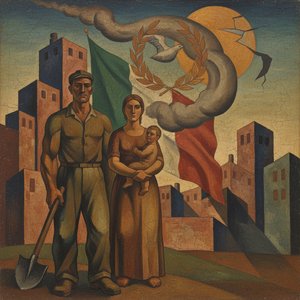
Mario Sironi: A Poetic of Modern Italian Identity Through Symbolism & Social Commentary
Explore the profound works of Mario Sironi, a key figure in Italian Modernism. Discover his evolution from Futurism to Metaphysical painting and his powerful social commentary. Learn about his legacy at OriginalUniqueArt.


