

 Vista previa
 Compartir
 Compartir
 Ver detalles
 Guía
Guía

 Descargar
 Ver artículos similares
 Radiografía
 Presentación de diapositivas
 Estadísticas
Crucifix
 Byzantine & Renaissance
 1280
1280 350.0 x 690.0 cm
 Leer más
Giclée / Impresión de arte
Impresiones giclée o en lienzo de calidad de museo con producción rápida y opciones de acabado flexibles. ( Encargar reproducción pintada a mano Ver versión en imagen digital)




P118B €10

P118H €10

P118W €10

P438Z €10

P508JH €12

P508YH €12

P805H €10

P805Z €10

P919BZ €10

P919G €10

P919XJ €10

P959ZH €10

P968JZ €12

W106C €8

W218G €10

W218JH €8

W218Y €10

W307PJ €10

W316G €10

W316PJ €8

W316Y €10

W398PJ €8

W4111J €10

W500HY €15

W500JH €15

W692G €12

W849H €8

W940BG €15

W953PJ €8




Elija entre nuestros tamaños predefinidos que respetan las proporciones originales de la obra.

Introduzca el ancho y el alto que necesite para adaptarse a su marco o pared. Una impresión solo puede recortarse, nunca hacerse más grande que la imagen original, por lo que un tamaño con una forma distinta perderá parte de la obra. Le enviaremos una maqueta digital para su aprobación antes de realizar cualquier impresión. La imagen que se muestra en esta página no refleja el recorte real; solo la maqueta lo hace.
Envío a todo el mundo () en 2 semanas en lugar de las 4/5 semanas estándar. (23 octubre)

Envío exprés gratuito a todo el mundo

Lienzo de lino de alta calidad

Seguro de envío completo

Garantía de reembolso de impuestos aduaneros

Garantía de fidelidad cromática exacta

Política de devolución de 100 días (solo por defectos)

Garantía de devolución del 100% del dinero

Oferta por volumen
 La opción de vidrio solo está disponible en tamaños inferiores a 110 cm.

Crucifix
Giclée / Impresión de arte
Tamaño de la reproducción
-


Precio total
€ 70
A Bridge Between Worlds: Cimabue’s ‘Crucifix’
Cimabue's “Crucifix,” painted around 1283 in Florence, stands as a pivotal work not merely for its artistic merit but for its profound role in marking the transition from the rigid formality of Byzantine art to the burgeoning naturalism that would define the Italian Renaissance. More than just a depiction of Christ’s suffering, this painting embodies a courageous shift—a subtle yet decisive challenge to established conventions, laying the groundwork for the revolutionary changes that were about to reshape Western art. Born Cenni di Pepo around 1240 in Florence, Cimabue wasn't simply a painter; he was an innovator who dared to experiment with form and expression, a figure whose legacy resonates powerfully even today.
The painting immediately draws the eye with its monumental scale – measuring over three by two meters – reflecting the Byzantine tradition of imposing religious imagery. Yet, Cimabue’s genius lies in his ability to infuse this grandeur with a nascent sense of humanity. The Christ figure, rendered in tempera and gold on wood, is undeniably rooted in the iconography of the East: he is depicted as *Christus patiens*, or deceased, flanked by the Virgin Mary and St. John the Evangelist, both figures enveloped in sorrowful contemplation. However, subtle innovations distinguish Cimabue’s work from its Byzantine predecessors. The Christ's pose, while still conveying a sense of stillness, possesses a greater physicality—a suggestion of weight and vulnerability that hints at the human drama unfolding before us.
The Language of Symbolism
Beyond the immediate depiction of the crucifixion, “Crucifix” is rich in symbolic meaning. The inscription "HIC EST IESUS NAZARENUS REX IUDEORUM" – “Here is Jesus Christ, King of the Jews” – anchors the scene within its religious context, asserting both his divinity and his earthly sacrifice. The carefully chosen details—the draped cloth, the outstretched limbs, the sorrowful faces of the witnesses—all contribute to a powerful narrative of suffering, redemption, and hope. The use of gold leaf, particularly in highlighting Christ’s figure, further elevates the scene, connecting it to the opulent traditions of Byzantine mosaics and illuminating the divine nature of the subject.
Technique and Innovation
Cimabue's mastery is evident in his skillful manipulation of tempera paint. He employs a technique known as *distemper*, mixing pigments with a binding medium, creating rich colors and subtle gradations of tone. The painting’s monumental scale demanded careful planning and execution; the panel itself was constructed from five timber boards, meticulously joined to create a stable support for the vibrant imagery. Notably, Cimabue moved away from the purely abstract representation favored in Byzantine art, introducing a greater degree of naturalism into his depiction of Christ's body—a subtle shift that would become increasingly pronounced in the work of his successors, particularly Giotto.
A Legacy Forged in Florence
“Crucifix”’s journey through history is inextricably linked to the artistic landscape of Florence. Originally intended for “Santa Croce II,” a significant church project, it eventually found its home within the Basilica di Santa Croce, where it has remained a treasured masterpiece. The painting's survival—despite being partially damaged during the devastating 1966 flood that ravaged Florence – is itself a testament to its enduring value and the dedication of those who have preserved it. Today, this powerful image continues to inspire awe and reflection, serving as a poignant reminder of faith, sacrifice, and the transformative power of art.
Preguntas y respuestas
¿Cómo equilibra la luz y la sombra "Crucifix"?
Los valores registrados para "Crucifix" de Cimabue son: brilliant de brillo y Bright Balance de luminancia.
¿Cuál es el tono emocional de "Crucifix" de Cimabue?
El tono emocional registrado para "Crucifix" de Cimabue es Melancholic. Este resume el sentimiento que expresa la obra.
¿Qué uso y espacio se recomiendan para "Crucifix" de Cimabue?
El uso de (Statement) y el espacio (Living Room) son las dos recomendaciones registradas para "Crucifix" de Cimabue.
Biografía del artista
rompiendo el estilo italo-bizantino
Cimabue, nacido alrededor de 1240 y fallecido en 1302, fue un influyente pintor y diseñador de mosaicos italiano de Florencia, también conocido como cenni di pepo. Pionero en romper con el estilo italo-bizantino, Cimabue es celebrado por introducir proporciones y sombreado más realistas en su obra, marcando un significativo cambio hacia el realismo en el arte medieval.vida temprana y formación
Se sabe poco sobre la vida temprana de Cimabue. Una fuente que relata su carrera es la Vida de los más excelentes pintores, escultores y arquitectos de Giorgio Vasari, pero su exactitud es incierta. Nació en Florencia y murió en Pisa. Según el historiador del arte Pietro Tosca, la obra más temprana atribuida a Cimabue, la crucifixión en la iglesia de San Domenico en Arezzo, data alrededor de 1270 y muestra una desviación del estilo bizantino.obras notables
* Maestà (originalmente expuesta en la iglesia de San Francesco en Pisa, ahora en el Louvre): Esta obra estableció un estilo que fue seguido posteriormente por numerosos artistas, incluyendo Duccio di Buoninsegna en su Rucellai Madonna (erróneamente atribuida a Cimabue en el pasado). * Flagelación (Colección Frick): Una pintura de taller que quizás sea atribuible a un período ligeramente posterior. * Mosaicos para el Baptisterio de Florencia (ahora en gran parte restaurado): Actualmente en mal estado debido a la oxidación de los colores más brillantes.influencia y legado
El arte de Cimabue jugó un papel crucial en la transición del estilo bizantino a representaciones más realistas en la pintura italiana, y su influencia en artistas posteriores fue profunda. Sus obras, caracterizadas por una combinación de técnicas tradicionales e innovadoras, marcan un importante capítulo en la historia del arte, conectando el período medieval con los estilos renacentistas.- Visite las obras de Cimabue en https://OriginalUniqueArt.com/@/cimabue
- Explore más sobre el movimiento del Trecento en https://OriginalUniqueArt.com/@@/a@d3cpph
- Lea la biografía de Cimabue en Wikipedia en https://en.wikipedia.org/wiki/cimabue

Cimabue
1240 - 1302 , Italia
Datos clave
- Artistas Que Influyeron:
- Arte bizantino
- Dietisalvi di Speme
- Estilo Artístico: Italo-Bizantino, Proto-Renacimiento
- Fecha De Muerte: 1302
- Fecha De Nacimiento: c. 1240
- Influenciado A Artistas: ['Giotto di Bondone']
- Lugar De Nacimiento: Florencia, Italia
- Nacionalidad: Italiana
- Nombre Completo: Giovanni Cimabue
- Obras Notables:
- Maestà
- Crucifijo (Arezzo)
- Flagelación de Cristo
Artículos relacionados

El Fresco a Través de los Siglos: Técnica, Historia y Expresión Artística Duradera
Descubre la historia y técnica del fresco, desde sus orígenes en la antigüedad hasta los maestros renacentistas. Guía completa sobre conservación, restauración y el legado artístico de este arte milenario.

The Enduring Legacy of Fresco Painting: Techniques, History & Contemporary Relevance
Explore the rich history & enduring artistry of fresco painting – from Giotto to Michelangelo! Discover techniques, conservation efforts, & modern applications. Learn how OriginalUniqueArt brings this timeless art form to your home.
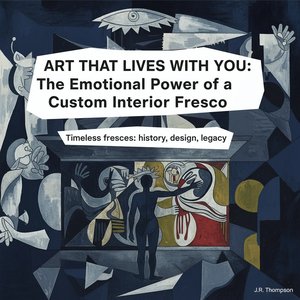
¿El Arte que Habita Contigo: El Poder Emocional de un Fresco Interior Personalizado?
Descubre el poder emocional de un fresco interior personalizado. Expertos en arte te guían para crear una obra única que refleje tu estilo y valore tu hogar. : calidad, confianza y diseño excepcional.

Legado en las Paredes: Frescos Familiares que Trascienden el Tiempo
Descubre el arte del fresco muralístico para inmortalizar tu historia familiar. Expertos en frescos personalizados y técnicas ancestrales. Crea un legado visual único con .

The Enduring Legacy of Fresco: Technique, History & Artistic Expression Across Cultures
Explore the rich history & enduring legacy of fresco painting! Discover ancient techniques, Giotto's masterpieces, and modern applications. Expert insights for art lovers & professionals.


