Vista previa
 Compartir
 Compartir
 Ver detalles
 Guía
Guía

 Descargar
 Ver artículos similares
 Radiografía
 Presentación de diapositivas
 Estadísticas
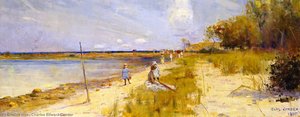
Windy Day at Brighton


 Leer más
Reproducción al óleo hecha a mano
Óleo sobre lienzo pintado a mano en el tamaño y marco de su elección, realizado por encargo por nuestros artistas. ( Cambiar a formato impreso Ver versión en imagen digital)




P118B $10

P118H $10

P118W $10

P438Z $10

P508JH $12

P508YH $12

P805H $10

P805Z $10

P919BZ $10

P919G $10

P919XJ $10

P959ZH $10

P968JZ $12

W106C $8

W218G $10

W218JH $8

W218Y $10

W307PJ $10

W316G $10

W316PJ $8

W316Y $10

W398PJ $8

W4111J $10

W500HY $15

W500JH $15

W692G $12

W849H $8

W940BG $15

W953PJ $8




Elija entre nuestros tamaños predefinidos que respetan las proporciones originales de la obra.

Puede ingresar sus propias dimensiones para adaptarse a un marco o espacio específico. Si el tamaño seleccionado no coincide con las proporciones de la imagen original, recortaremos la obra o extenderemos la pintura con elementos adicionales pintados a mano. Se le enviará una maqueta digital para su aprobación antes de comenzar la producción.
Tenga en cuenta que la vista previa en pantalla no refleja el recorte o la extensión reales. Solo la maqueta mostrará con precisión la composición final.
Si bien existen tamaños personalizados, recomendamos seleccionar una dimensión de la lista predefinida para preservar las proporciones originales.
Tras realizar el pedido, el equipo de OriginalUniqueArt.com enviará un correo electrónico al cliente para solicitar instrucciones y proporcionarle una vista previa del boceto.
Envío a todo el mundo () en 3-4 semanas en lugar de las 5 semanas estándar. (27 septiembre). Sin comprometer la calidad.

Envío exprés gratuito a todo el mundo

Lienzo de lino de alta calidad

Seguro de envío completo

Garantía de reembolso de impuestos aduaneros

Garantía de fidelidad cromática exacta

Política de devolución de 100 días (solo por defectos)

Garantía de devolución del 100% del dinero

Oferta por volumen
 La opción de vidrio solo está disponible en tamaños inferiores a 110 cm.

Windy Day at Brighton
Técnica de reproducción
Tamaño de la reproducción
-


Precio total
$ 300
Windy Day at Brighton – A Masterpiece of Impressionistic Seaside Tranquility
“Windy Day at Brighton” by Charles Edward Conder stands as a testament to the burgeoning Impressionist movement in Britain during the early 20th century. Created in 1905 and currently residing within the prestigious Tate Gallery in London, this painting transcends mere depiction; it captures a fleeting moment of beauty—a breezy afternoon spent on Brighton Beach.
Artist’s Style and Inspiration: Conder's artistic vision was firmly rooted in Impressionism. Influenced by artists like Claude Monet and Pierre-Auguste Renoir, he eschewed meticulous detail for capturing the ephemeral qualities of light and atmosphere. The soft brushstrokes characteristic of his style—almost hesitant yet purposeful—are immediately apparent upon viewing the canvas. These delicate marks blend seamlessly to create a hazy luminescence that dominates the scene, mirroring the diffused sunlight filtering through the overcast sky.
- Technique: Conder employed oil paint on canvas, utilizing layering and glazing techniques to achieve remarkable depth and vibrancy. The artist skillfully manipulated color palettes—primarily muted blues, greens, and ochres—to convey the mood of a windy day.
- Composition: The painting’s composition is thoughtfully balanced, featuring figures strolling along the shore amidst the gentle sway of palm trees. A horse-drawn carriage adds an element of Victorian grandeur to the coastal landscape.
- Light and Shadow: Conder's masterful use of light and shadow—particularly evident in the shading beneath umbrellas—creates a palpable sense of realism while simultaneously enhancing the painting’s emotional resonance.
Detailed Examination – Composition & Color Palette
The central figures, positioned prominently in the foreground, are bathed in dappled sunlight, highlighting their clothing and expressions. The artist's careful attention to detail—such as the folds of fabric and the subtle nuances of facial features—demonstrates Conder’s commitment to portraying human experience within a natural setting. Notice how the artist uses color to convey emotion; the cool blues and greens evoke tranquility, while warmer hues suggest warmth and vitality.
Furthermore, the inclusion of boats scattered across the water adds visual interest and reinforces the seaside atmosphere. The overall effect is one of serene contemplation—a celebration of beauty found in everyday life—reflecting the Impressionists’ fascination with capturing transient sensations.
Historical Context & Significance
“Windy Day at Brighton” emerged during a period of significant artistic experimentation in Britain, coinciding with the rise of the Heidelberg School. This group of artists sought inspiration from the landscapes of southern France, embracing plein air painting—working outdoors directly onto canvas—to capture the immediacy of nature. Conder’s contribution to this movement solidified his reputation as one of Britain's foremost Impressionists.
The Tate Gallery’s acquisition of “Windy Day at Brighton” underscores its enduring artistic merit and its place within British art history. It serves as a captivating reminder of the power of Impressionism to transform ordinary scenes into extraordinary expressions of emotion and beauty.
Own a Piece of Art History
At OriginalUniqueArt.com, we offer meticulously crafted oil painting reproductions of “Windy Day at Brighton,” allowing you to bring this iconic artwork into your home or office. Our skilled artisans utilize archival-quality materials and techniques to faithfully recreate Conder’s original vision, ensuring that every brushstroke retains its vibrancy and nuance.
Visit OriginalUniqueArt.com today to explore our collection and discover the perfect reproduction for your discerning taste!
Biografía del artista
Primeros años y trayectoria artística
Charles Edward Conder, pintor, litógrafo y diseñador británico, dejó una huella imborrable en el mundo del arte. Nacido en Tottenham, Middlesex, el 24 de octubre de 1868, la primera etapa de la vida de Conder se vio marcada por el fallecimiento de su madre en India cuando tan solo tenía cuatro años.Carrera artística en Australia
En 1884, a los 16 años, Conder se trasladó a Sydney, Australia, donde trabajó para su tío como topógrafo. Sin embargo, pronto descubrió que su verdadera pasión residía en dibujar el paisaje en lugar de realizar levantamientos topográficos. Para 1886, ya había sido contratado como artista del Illustrated Sydney News, junto con artistas destacados como Albert Henry Fullwood y Frank Mahony.La Escuela de Heidelberg y obras notables
La obra maestra de Conder, “La partida del Orient – Circular Quay” (1888), demostró su dominio recién adquirido de la forma y el pincel. Esta escena portuaria, que representa el bullicioso puerto en Sydney Cove, fue rápidamente adquirida por la Galería de Arte de Nueva Gales del Sur, convirtiéndose en su primera obra en ingresar a una colección pública.- “Un día de vacaciones en Mentone” (1888), una pintura llena de alegría que muestra a hombres y mujeres relajándose en la playa, es otro ejemplo notable de su obra.
- La asociación de Conder con G. P. Nerli, un pintor italiano itinerante, influyó significativamente en su desarrollo artístico.
- Sus contribuciones a la Exposición de Impresionismo 9x5 en Melbourne, junto con Tom Roberts y Arthur Streeton, consolidaron su posición dentro del movimiento de la Escuela de Heidelberg.
Desarrollo Artístico y Influencias
Conder recibió influencias diversas que moldearon su estilo único. El contacto con artistas como Alfred Daplyn, Ashton y Nerli lo encaminó hacia el realismo al aire libre. La influencia de Phil May y Blamire Young le atrajo al arte de Whistler y la estética japonesa. Su obra se caracteriza por una poderosa inspiración en el pintor rococó Jean-Antoine Watteau, traduciendo su estilo al simbolismo a través de escenas ambientadas en las típicas festas galantes watteaunianas.Últimos años y legado
Los últimos años de Conder estuvieron marcados por problemas de salud, incluyendo parálisis y un episodio de delirium tremens. A pesar de esto, continuó pintando, dejando atrás un legado como una figura clave en la Escuela de Heidelberg. Su arte fue mejor recibido en Inglaterra que en París, con su retrato siendo pintado por Henri de Toulouse-Lautrec en 1892. Vea las obras de Conder en la Galería de Arte de Nueva Gales del Sur o explore más sobre la Escuela de Heidelberg en la página de Charles Edward Conder de OriginalUniqueArt.- Descubra más sobre la vida y las obras de Conder en la página de Wikipedia de Charles Conder.
- Explore la colección de pinturas de Conder en el sitio web de OriginalUniqueArt, incluyendo “Un día de vacaciones en Mentone” (1888) y “La partida del Orient – Circular Quay” (1888).
Significado Histórico
El impacto de Charles Edward Conder en el impresionismo australiano es innegable. Su legado, marcado por sus cautivadoras pinturas y su asociación con la Escuela de Heidelberg, continúa inspirando a los entusiastas del arte en todo el mundo.
Charles Edward Conder
1868 - 1909 , Reino Unido
Datos clave
- Artistas Que Influyeron:
- G. P. Nerli
- Jean-Antoine Watteau
- Fecha De Muerte: 9 de febrero de 1909
- Fecha De Nacimiento: 24 de octubre de 1868
- Lugar De Nacimiento: Tottenham, Reino Unido
- Movimiento Artístico: Impresionismo australiano
- Nacionalidad: Británico
- Nombre Completo: Charles Edward Conder
- Obras Notables:
- Departure of the Orient
- A Holiday at Mentone
Artículos relacionados

Los 10 Maestros del Paisaje Impresionista: Obras que Cambiaron la Historia del Arte
Descubre los 10 lienzos impresionistas que revolucionaron el arte. Explora la historia de Monet, Van Gogh y Renoir, sus técnicas y colores vibrantes. Encuentra reproducciones de alta calidad para decorar tu hogar en OriginalUniqueArt.com
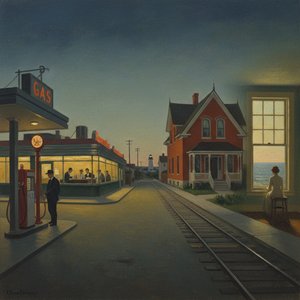
Edward Hopper: Las 25 Obras Maestras que Definen la Soledad Moderna | OriginalUniqueArt
Descubre las 25 obras maestras de Edward Hopper, el pintor de la soledad moderna. Explora su realismo americano, luz y sombra, e icónicas escenas urbanas. Reproducciones de arte en OriginalUniqueArt.com para decorar tu hogar con estilo.

Impressionistic Realism's Finest: 10 Masterpieces for Your Home | OriginalUniqueArt
Journey through Impressionistic Realism with 10 iconic masterpieces by Monet, Renoir & Van Gogh. Explore art history, techniques & find museum-quality reproductions for your home at OriginalUniqueArt.com. Discover all masterpieces online!

Los 10 Maestros del Paisaje Impresionista: Obras que Cambiaron la Historia del Arte
Descubre los 10 lienzos impresionistas que revolucionaron el arte. Monet, Renoir y más… Explora la historia, técnica y belleza de cada obra maestra. Encuentra reproducciones de alta calidad para tu hogar en OriginalUniqueArt.com.
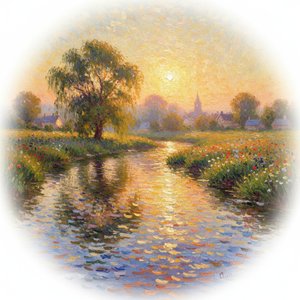
Capturing Light: A Masterclass in the Ethereal Beauty of Impressionistic Landscapes
Explore the ethereal beauty of Impressionist landscapes. Discover how masters like Monet captured fleeting light through color and texture, and learn to curate these timeless, luminous masterpieces for your home collection.