Ver en contexto
 Enviar
 Compartir
 Detalles
 Guía
Guía

 Descargar
 Similares
 Radiografía
 Presentación de diapositivas
 Estadísticas
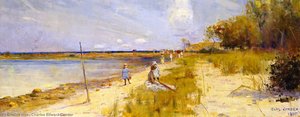
Ricketts Point, Beaumaris
 Oil
Oil- WallArt
- Impressionism
 1890
1890- 19th Century
 215.0 x 120.0 cm
 Galería Nacional de Australia
 Ver más
Giclée / Impresión de arte
Impresiones giclée o en lienzo de calidad de museo con producción rápida y opciones de acabado flexibles. ( Comprar pintura hecha a mano Cambiar a imagen digital)




P118B €10

P118H €10

P118W €10

P438Z €10

P508JH €12

P508YH €12

P805H €10

P805Z €10

P919BZ €10

P919G €10

P919XJ €10

P959ZH €10

P968JZ €12

W106C €8

W218G €10

W218JH €8

W218Y €10

W307PJ €10

W316G €10

W316PJ €8

W316Y €10

W398PJ €8

W4111J €10

W500HY €15

W500JH €15

W692G €12

W849H €8

W940BG €15

W953PJ €8




Elija entre nuestros tamaños predefinidos que respetan las proporciones originales de la obra.

Introduzca el ancho y el alto que necesite para adaptarse a su marco o pared. Una impresión solo puede recortarse, nunca hacerse más grande que la imagen original, por lo que un tamaño con una forma distinta perderá parte de la obra. Le enviaremos una maqueta digital para su aprobación antes de realizar cualquier impresión. La imagen que se muestra en esta página no refleja el recorte real; solo la maqueta lo hace.
Envío a todo el mundo () en 2 semanas en lugar de las 4/5 semanas estándar. (27 octubre)

Envío exprés gratuito a todo el mundo

Lienzo de lino de alta calidad

Seguro de envío total

Garantía de reembolso de aranceles aduaneros

Garantía de fidelidad cromática exacta

Política de devolución de 100 días (solo por defectos)

Garantía de devolución del 100% del dinero

Descuento por cantidad
 La opción de vidrio solo está disponible en tamaños inferiores a 110 cm.

Ricketts Point, Beaumaris
Giclée / Impresión de arte
Dimensiones de la reproducción
-


Precio total final
€ 70
A Sun-Drenched Moment in Australian Impressionism
In the luminous masterpiece Ricketts Point, Beaumaris, Charles Edward Conder invites us to step into a world of pure, unadulterated joy. Painted in 1890, this sweeping composition captures more than just a coastal landscape; it captures the very essence of a summer afternoon on the shores of Melbourne. The scene is an exquisite study of light and leisure, where the reflective shallows of the foreground act as a mirror to the sky, drawing the viewer’s eye through the shimmering water toward the distant horizon. Conder, a pivotal figure of the Heidelberg School, demonstrates his profound ability to translate the subtle moods of nature into a vibrant visual language. As we gaze upon the rhythmic movement of the waves and the gentle activity along the shoreline, we are transported to a time when the simple pleasure of watching a sailboat drift across the bay was enough to stir the soul.
The technical brilliance of this work lies in Conder’s bold application of paint and his masterful command of color. Eschewing rigid outlines for a more fluid, impressionistic touch, he uses light to define form and atmosphere. The composition is masterfully balanced; while much of the canvas is dedicated to the expansive, tranquil ocean, the strip of sand and rock provides a grounded stage for human connection. One can almost feel the warmth of the sun through the artist's energetic brushstrokes. The way the light dances upon the wet sand and catches the edges of the figures creates a sense of immediacy, as if the scene were captured in a fleeting heartbeat. For the collector or interior designer, this painting offers a profound sense of openness and vitality, making it an ideal centerpiece for spaces that crave a breath of fresh, coastal air.
The Poetry of Everyday Life
Beyond its technical prowess, Ricketts Point, Beaumaris serves as a poignant narrative of social harmony and the poetic qualities of the natural world. Conder populates his landscape with figures that feel deeply integrated into the environment rather than merely placed upon it. Women in long, flowing dresses wander the shoreline in search of seashells, their movements echoing the gentle ebb and flow of the tide, while a small child plays near the water's edge, embodying the innocent wonder of discovery. This interplay between humanity and nature is central to Conder’s vision; he does not depict man conquering the landscape, but rather finding a rhythmic, peaceful coexistence within it. The presence of the distant sailboat adds a layer of movement and aspiration, suggesting the broader world beyond this intimate coastal retreat.
Historically, this work stands as a testament to the flourishing Australian Impressionist movement, born from the creative synergy between Conder and his contemporaries, Tom Roberts and Arthur Streeton. It reflects a period of intense artistic exploration where the light of the Australian landscape was being redefined through a new, modern lens. To possess a reproduction of such a piece is to hold a fragment of art history—a window into a nostalgic, golden era of Australian life. The emotional impact of the painting is one of profound serenity and optimism; it is a work that celebrates the beauty of the present moment, offering a timeless escape for anyone seeking inspiration, peace, or a touch of classical elegance in their personal surroundings.
Preguntas y respuestas
¿A qué movimiento artístico pertenece "Ricketts Point, Beaumaris" de Charles Edward Conder?
"Ricketts Point, Beaumaris" es una obra de Impressionism. El movimiento indica la tradición artística a la que pertenece la obra.
¿Cuáles son las dimensiones de la obra original "Ricketts Point, Beaumaris"?
Las dimensiones registradas de "Ricketts Point, Beaumaris" de Charles Edward Conder son 215 x 120 cm. Se pueden solicitar reproducciones en otros tamaños manteniendo las mismas proporciones.
¿Qué representa "Ricketts Point, Beaumaris"?
Los temas de "Ricketts Point, Beaumaris" son beach, seascape, impressionism, coastal life, leisure, australia, summer day.
Biografía del artista
Primeros años y trayectoria artística
Charles Edward Conder, pintor, litógrafo y diseñador británico, dejó una huella imborrable en el mundo del arte. Nacido en Tottenham, Middlesex, el 24 de octubre de 1868, la primera etapa de la vida de Conder se vio marcada por el fallecimiento de su madre en India cuando tan solo tenía cuatro años.Carrera artística en Australia
En 1884, a los 16 años, Conder se trasladó a Sydney, Australia, donde trabajó para su tío como topógrafo. Sin embargo, pronto descubrió que su verdadera pasión residía en dibujar el paisaje en lugar de realizar levantamientos topográficos. Para 1886, ya había sido contratado como artista del Illustrated Sydney News, junto con artistas destacados como Albert Henry Fullwood y Frank Mahony.La Escuela de Heidelberg y obras notables
La obra maestra de Conder, “La partida del Orient – Circular Quay” (1888), demostró su dominio recién adquirido de la forma y el pincel. Esta escena portuaria, que representa el bullicioso puerto en Sydney Cove, fue rápidamente adquirida por la Galería de Arte de Nueva Gales del Sur, convirtiéndose en su primera obra en ingresar a una colección pública.- “Un día de vacaciones en Mentone” (1888), una pintura llena de alegría que muestra a hombres y mujeres relajándose en la playa, es otro ejemplo notable de su obra.
- La asociación de Conder con G. P. Nerli, un pintor italiano itinerante, influyó significativamente en su desarrollo artístico.
- Sus contribuciones a la Exposición de Impresionismo 9x5 en Melbourne, junto con Tom Roberts y Arthur Streeton, consolidaron su posición dentro del movimiento de la Escuela de Heidelberg.
Desarrollo Artístico y Influencias
Conder recibió influencias diversas que moldearon su estilo único. El contacto con artistas como Alfred Daplyn, Ashton y Nerli lo encaminó hacia el realismo al aire libre. La influencia de Phil May y Blamire Young le atrajo al arte de Whistler y la estética japonesa. Su obra se caracteriza por una poderosa inspiración en el pintor rococó Jean-Antoine Watteau, traduciendo su estilo al simbolismo a través de escenas ambientadas en las típicas festas galantes watteaunianas.Últimos años y legado
Los últimos años de Conder estuvieron marcados por problemas de salud, incluyendo parálisis y un episodio de delirium tremens. A pesar de esto, continuó pintando, dejando atrás un legado como una figura clave en la Escuela de Heidelberg. Su arte fue mejor recibido en Inglaterra que en París, con su retrato siendo pintado por Henri de Toulouse-Lautrec en 1892. Vea las obras de Conder en la Galería de Arte de Nueva Gales del Sur o explore más sobre la Escuela de Heidelberg en la página de Charles Edward Conder de OriginalUniqueArt.- Descubra más sobre la vida y las obras de Conder en la página de Wikipedia de Charles Conder.
- Explore la colección de pinturas de Conder en el sitio web de OriginalUniqueArt, incluyendo “Un día de vacaciones en Mentone” (1888) y “La partida del Orient – Circular Quay” (1888).
Significado Histórico
El impacto de Charles Edward Conder en el impresionismo australiano es innegable. Su legado, marcado por sus cautivadoras pinturas y su asociación con la Escuela de Heidelberg, continúa inspirando a los entusiastas del arte en todo el mundo.
Charles Edward Conder
1868 - 1909 , Reino Unido
Datos clave
- Artistas Que Influyeron:
- G. P. Nerli
- Jean-Antoine Watteau
- Fecha De Muerte: 9 de febrero de 1909
- Fecha De Nacimiento: 24 de octubre de 1868
- Lugar De Nacimiento: Tottenham, Reino Unido
- Movimiento Artístico: Impresionismo australiano
- Nacionalidad: Británico
- Nombre Completo: Charles Edward Conder
- Obras Notables:
- Departure of the Orient
- A Holiday at Mentone
Artículos relacionados

Los 10 Maestros del Paisaje Impresionista: Obras que Cambiaron la Historia del Arte
Descubre los 10 lienzos impresionistas que revolucionaron el arte. Explora la historia de Monet, Van Gogh y Renoir, sus técnicas y colores vibrantes. Encuentra reproducciones de alta calidad para decorar tu hogar en OriginalUniqueArt.com

Impressionistic Realism's Finest: 10 Masterpieces for Your Home | OriginalUniqueArt
Journey through Impressionistic Realism with 10 iconic masterpieces by Monet, Renoir & Van Gogh. Explore art history, techniques & find museum-quality reproductions for your home at OriginalUniqueArt.com. Discover all masterpieces online!
Capturing Light: A Masterclass in the Ethereal Beauty of Impressionistic Landscapes
Explore the ethereal beauty of Impressionist landscapes. Discover how masters like Monet captured fleeting light through color and texture, and learn to curate these timeless, luminous masterpieces for your home collection.
Renoir: Las 25 Obras Maestras del Impresionismo para Decorar tu Hogar con Arte
Descubre las 25 obras maestras de Renoir, el rey del impresionismo. Explora su técnica, historia y significado en cada pintura. Encuentra reproducciones de arte de alta calidad para decorar tu hogar con OriginalUniqueArt.com.

Los 10 Maestros del Paisaje Impresionista: Obras que Cambiaron la Historia del Arte
Descubre los 10 lienzos impresionistas que revolucionaron el arte. Monet, Renoir y más… Explora la historia, técnica y belleza de cada obra maestra. Encuentra reproducciones de alta calidad para tu hogar en OriginalUniqueArt.com.