

 Vista previa
 Compartir
 Compartir
 Ver detalles

 Descargar
 Ver artículos similares
 Radiografía
 Presentación de diapositivas
 Estadísticas
Poor Artist's Cupboard
 Oil
Oil- WallArt
 1815
1815- 19th Century
 95.0 x 90.0 cm
 Leer más
Reproducción al óleo hecha a mano
Óleo sobre lienzo pintado a mano en el tamaño y marco de su elección, realizado por encargo por nuestros artistas. ( Cambiar a formato impreso Ver versión en imagen digital)




































Elija entre nuestros tamaños predefinidos que respetan las proporciones originales de la obra.

Puede ingresar sus propias dimensiones para adaptarse a un marco o espacio específico. Si el tamaño seleccionado no coincide con las proporciones de la imagen original, recortaremos la obra o extenderemos la pintura con elementos adicionales pintados a mano. Se le enviará una maqueta digital para su aprobación antes de comenzar la producción.
Tenga en cuenta que la vista previa en pantalla no refleja el recorte o la extensión reales. Solo la maqueta mostrará con precisión la composición final.
Si bien existen tamaños personalizados, recomendamos seleccionar una dimensión de la lista predefinida para preservar las proporciones originales.
Tras realizar el pedido, el equipo de OriginalUniqueArt.com enviará un correo electrónico al cliente para solicitar instrucciones y proporcionarle una vista previa del boceto.
Envío a todo el mundo () en 3-4 semanas en lugar de las 5 semanas estándar. (17 septiembre). Sin comprometer la calidad.

Envío exprés gratuito a todo el mundo

Lienzo de lino de alta calidad

Seguro de envío completo

Garantía de reembolso de impuestos aduaneros

Garantía de fidelidad cromática exacta

Política de devolución de 100 días (solo por defectos)

Garantía de devolución del 100% del dinero

Oferta por volumen
 La opción de vidrio solo está disponible en tamaños inferiores a 110 cm.

Poor Artist's Cupboard
Técnica de reproducción
Tamaño de la reproducción
-


Precio total
$ 300
A Poignant Still Life of Penury and Perseverance
In the quiet, shadowed alcove of Charles Bird King’s 1815 masterpiece, Poor Artist's Cupboard, we are invited into a deeply intimate and melancholic corner of a creative life. This nearly square still life is far more than a mere collection of objects; it is a profound narrative of struggle, intellectual hunger, and the heavy weight of financial instability. At first glance, the viewer encounters a cluttered niche, an arched space crammed with the remnants of a life lived on the edge of necessity. A crusty piece of bread sits alongside a short glass of water, symbols of the most basic sustenance, yet they are surrounded by a dense, almost overwhelming accumulation of books and papers that suggest a mind far richer than the hands that hold them.
The composition is masterfully arranged to guide the eye through a labyrinth of symbolic details. King utilizes a tight, claustrophobic arrangement to evoke the feeling of being trapped by circumstance. To the right, a red portfolio holds a sheaf of loose papers beneath the heavy weight of Lives of the Painters, a title that serves as a poignant reminder of the artist's own vocation and perhaps his precarious standing within it. The light catches the edges of a pink conch shell and the gold lettering on various spines, creating small flickers of beauty amidst the gloom. There is a tactile quality to the work; one can almost feel the rough texture of the bread, the cold smoothness of the glass, and the brittle, aging parchment of the many books that line the back of the alcove.
The Language of Symbolism and Hidden Narratives
Every object within this cupboard acts as a silent protagonist in a drama of survival. King employs a sophisticated layer of literary and social symbolism to communicate the artist's internal state. The titles found on the book spines are particularly devastating: Miseries of Life, Calamities of Author, and Unpaid Bills whisper of a reality where debt is as constant as the hunger for knowledge. Even more heartbreaking is the sight of a book titled Pleasures of Hope, where the very word "hope" has been physically ripped through by a torn page, suggesting a loss of optimism or the fragility of such a sentiment in the face of poverty.
The inclusion of calling cards addressed to "Palette," mentioning a debt of five dollars, grounds the painting in a specific, relatable human struggle. This is not an idealized, classical still life of abundance; it is a gritty, autobiographical reflection on the cost of an artistic life. The presence of a protractor and various instructional texts suggests that despite the lack of material wealth, there remains a rigorous commitment to the craft and the pursuit of technical mastery. It is this tension between the physical deprivation of the body and the intellectual expansion of the spirit that gives the painting its enduring emotional resonance.
A Timeless Addition for Discerning Collectors
For the art lover or interior designer, Poor Artist's Cupboard offers a unique opportunity to introduce a piece of profound historical depth into a contemporary space. The muted palette of browns, deep reds, and soft greens, punctuated by the rosy glow of the conch shell, provides a sophisticated tonal anchor for a room. As a high-quality reproduction, this work serves as a conversation starter, inviting guests to lean in closer and decipher the many layers of meaning hidden within its shadows.
Whether placed in a study, a library, or a curated gallery wall, this painting brings with it an atmosphere of contemplative quietude. It celebrates the resilience of the human spirit and the enduring power of art to find beauty within the most humble of circumstances. Owning a reproduction of this work is not merely about decorating a wall; it is about preserving a moment of historical empathy and honoring the complex, often difficult journey of the creative soul.
Biografía del artista
Primeros años y formación
Charles Bird King, un destacado artista estadounidense de retratos, nació el 26 de septiembre de 1785 en Newport, Rhode Island. Era el único hijo de Deborah Bird y el capitán Zebulon King, un veterano de la Revolución Americana. Tras la prematura muerte de su padre a manos de nativos americanos cerca de Marietta, Ohio, cuando Charles tenía solo cuatro años, él y su madre regresaron a Newport.Desarrollo artístico
A los 15 años, King comenzó su viaje artístico bajo la tutela del pintor de retratos Edward Savage en Nueva York. Posteriormente se trasladó a Londres para estudiar con el renombrado Benjamin West en la Royal Academy durante siete años. Esta exposición a los estilos artísticos europeos influyó significativamente en su obra. Al regresar a los Estados Unidos debido a la Guerra de 1812, King trabajó en Filadelfia, Baltimore y Richmond antes de establecerse en Washington, D.C., atraído por sus oportunidades económicas.Obras notables y estilo
Los retratos de King de líderes nativos americanos y miembros de tribus son particularmente dignos de mención. Algunas de sus obras más celebradas incluyen:- John C. Calhoun, secretario de guerra, que muestra el espíritu ambicioso del político (actualmente en el Museo Chrysler del Arte en Norfolk, Estados Unidos).
- Kee-shes-wa, un jefe fox, un testimonio de su habilidad para capturar a los líderes nativos americanos.
- Jack-o-pa, un jefe chippeway [chippewa], otro ejemplo de su experiencia en el retrato.
- Teh-ro-hon, un guerrero ioway, que refleja su capacidad para capturar la esencia de los guerreros nativos americanos.
- Co-sne-boin, un retrato que muestra su dominio sobre diversos sujetos.
Legado e impacto
El éxito económico de King se puede atribuir a su habilidad para socializar con la gente adinerada y relacionarse con políticos bien educados. Sus mecenas incluyeron figuras prominentes como John Quincy Adams, Henry Clay, James Monroe y Daniel Webster. A pesar de nunca haberse casado, King vivió en Washington hasta su muerte el 18 de marzo de 1862. Dejó atrás una colección de pinturas, libros e impresiones para la Biblioteca y Ateneo Redwood. Puntos clave:- Fue elegido académico honorario de la National Academy of Design en 1827.
- Se le conoce por sus manierismos europeos tradicionales adaptados a los sujetos nativos americanos.
- Su obra se caracteriza por una mezcla de influencias holandesas y del norte de Europa, lo que refleja su tiempo en la Royal Academy.
- Explore más obras de Charles Bird King en OriginalUniqueArt.
- Conozca a otros artistas como Moroni, Giovanni Battista, conocidos por sus retratos realistas, en la página del artista de OriginalUniqueArt.
- Descubra la evolución del arte occidental a través de los siglos en la línea de tiempo del arte wahoo.
Referencias:
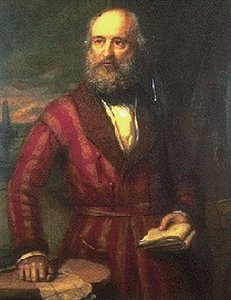
Charles Bird King
1785 - 1862 , Estados Unidos de América
Datos clave
- Artistas Que Influyeron En Este Artista:
- Benjamin West
- Edward Savage
- Fecha De Muerte: 18 de marzo de 1862
- Fecha De Nacimiento: 26 de septiembre de 1785
- Lugar De Nacimiento: Newport News, EE. UU.
- Movimiento Artístico O Estilo: Retrato, influencias europeas
- Nacionalidad: Estadounidense
- Nombre Completo: Charles Bird King
- Obras Notables:
- John C. Calhoun, secretario de guerra
- Kee-shes-wa, un jefe fox
- Jack-o-pa, un jefe chippeway
- Teh-ro-hon, un guerrero ioway
Artículos relacionados

Charles Bird King: Capturing Native American Dignity Through Portraiture & Cultural Exchange
Explore the captivating portraits of Charles Bird King, renowned for his depictions of Native American leaders. Discover the historical context, artistic techniques, and collecting value of these significant 19th-century artworks.
Clyfford Still's Abstract Expressionism: A Study of Color, Form & the Existential Landscape
Explore the profound world of Clyfford Still's Abstract Expressionism with OriginalUniqueArt. Discover his unique style, existential themes & investment potential. Expert analysis for discerning collectors.

Silent Narratives: Exploring the Enduring Appeal of Still Life Painting Across Centuries
Explore the rich history of still life painting with OriginalUniqueArt. Discover Dutch Masters, decode vanitas symbolism & learn about collecting timeless art. Expert insights and museum-quality reproductions.
De la Naturaleza Muerta Clásica a la Abstracción Contemporánea: Elevando los Espacios de Entretenimiento en Villas a Través de Reproducciones Artísticas
Descubre la evolución del bodegón y cómo integrar reproducciones artísticas de alta calidad en tu villa. Expertos en arte, selección exclusiva y asesoramiento personalizado.
The Enduring Appeal of Still Life: A Historical & Contemporary Exploration
Explore the rich history & symbolism of still life painting with OriginalUniqueArt. Discover masterpieces from the Dutch Golden Age, learn about vanitas art, and find expert guidance for collecting timeless artworks.