Baroque · 1747
Erigone (Charles-André van Loo, 1747)
Charles-André van Loo (1705–1765) creó Erigone. Data de 1747. Pertenece al movimiento Baroque. Está realizado en Oil On Canvas. Se conserva en Musée d'art et d'archéologie de Laon, en Laon, Francia.
- 1747
- Oil On Canvas
- Musée d'art et d'archéologie de Laon

 Ver en contexto

 Óleo pintado a mano
 Enviar
 Compartir
 Ficha técnica


 Descargar
 Similares
 Radiografía
 Presentación de diapositivas
 Preguntas y respuestas

 Estadísticas
Erigone en breve
- Título
- Erigone
- Artista
- Charles-André van Loo (1705–1765)
- Lugar de nacimiento del artista
- Niza, Francia
- Fecha
- 1747
- Técnica
- Oil On Canvas
- Dónde verlo
- Musée d'art et d'archéologie de Laon, Laon, Francia
- Movimiento
- Baroque
- Época
- Early Modern
- Tema
- nude figure, mythology, baroque, landscape, fertility, abundance
¿Qué representa Erigone?
Identification of Erigone by Charles-André van Loo
The scene unfolds around Erigone, a work painted by Charles-André van Loo. This oil on canvas captures a moment of quiet power within a lush, natural setting. The subject is a nude female figure, her form central to the composition. She exists amidst a landscape of heavy vines and ripening fruit, embodying themes of abundance and fertility. One wonders at the connection between her graceful presence and the overflowing life surrounding her.
Created about 1747, this piece reflects the artist's ability to breathe life into mythological subjects. Charles-André van Loo places the figure within a world where the organic shapes of foliage and grapes seem to pulse with growth. The soft light catches the contours of her skin, grounding the mythological figure in a tangible, breathing reality. It is a vision of nature's bounty, held in a delicate balance between the human form and the wild, spreading vines.
Composition and Visual Elements
The figure rests at the very heart of the scene, a central presence held in balance against a landscape that stretches out in a richly detailed backdrop. Curvilinear lines guide the eye, tracing the soft contours of the woman’s body and following the winding, natural paths of the vines and trees. Every shape feels organic; rounded forms dominate the scene, from the heavy clusters of fruit to the flowing folds of the drapery and the lushness of the surrounding foliage. There is a sense of life in these curves, as if the very plants are reaching toward the light.
A soft, diffused light bathes the entire composition, creating a gentle glow that settles upon the subject’s features and skin. This light does not strike harshly but seems to emanate from within the atmosphere itself. The perspective feels somewhat flattened, a characteristic that keeps the viewer close to the subject, even as the landscape recedes slightly into the distance. Depth emerges through the careful layering of elements in the background, where atmospheric perspective causes the distant trees to appear paler and less distinct, pulling the eye deeper into the greenery.
Technique and Artistic Style
The scene unfolds through a Baroque sensibility, where dramatic lighting casts a soft, diffused glow across the subject. This light dances over the figure, highlighting the contours of the skin and the delicate features of the face. Every curve of the woman’s body and the organic forms of the surrounding foliage are rendered with a sense of grace. The composition relies on curvilinear lines that guide the eye through the lush, detailed landscape. It feels as though the air itself is heavy with the scent of grapes and the stillness of the natural world.
Oil paints on canvas allow for a meticulous application of color. The artist employs seamless blending to transition between tones, creating a smooth texture on the draped fabric and the skin. There is a profound sense of realism achieved through the careful observation of anatomy and the intricate details of the vines. The brushwork is precise, capturing the weight of the fruit and the textured bark of the trees. While the figure remains central and idealized, the background recedes through atmospheric perspective, where distant trees appear paler and less distinct, adding a quiet depth to the setting.
Related Works by Charles-André van Loo
The artist's hand moves through various realms of myth and devotion. In 1729, he captures the weight of Trojan heroism in Aeneas Carrying Anchises. This work carries a different gravity than the intimate scenes found in his religious commissions. The Marriage of the Virgin remains preserved within the walls of the Louvre, while his 1738 painting Virgin and Child offers a moment of serene contemplation. These pieces reveal a capacity for both grand narrative and quiet, tender interaction.
The artist also explores the allure of the exotic through his 1747 work Sultane, housed in the Musée des Arts Décoratifs in Paris. Here, the focus shifts toward the luxurious textures of Ottoman-inspired attire. Such subjects highlight a fascination with the decorative splendor of the mid-18th century. Each piece reflects a specific facet of his ability to navigate between the heavy requirements of historical painting and the lighter, more playful sensibilities of the French court.
¿En qué museo se encuentra Erigone?
Musée d'art et d'archéologie de Laon
Laon, Francia
La Arquitectura de la Comandancia Templaria El Musée d'art et d'archéologie de Laon ocupa la antigua comandancia templaria, un enclave profundamente integrado en el tejido medieval de Laon. Desde 1891, la institución se ha asentado entre estos muros de piedra, que albergan la Capilla de San Juan Bautista. Esta capilla, erigida alrededor del año 1140, destaca por su estructura octogonal y un coro que representan las partes más antiguas del recinto.


Imágenes en alta resolución de Erigone
Charles-André van Loo, Erigone (1747), Musée d'art et d'archéologie de Laon. Dominio público
Preguntas sobre Erigone respondidas
¿En qué museo se encuentra la obra original "Erigone"?
"Erigone" de Charles-André van Loo se encuentra en exhibición en Musée d'art et d'archéologie de Laon, Laon, Francia. La información del museo se refiere a la obra original, no a reproducciones.
¿En qué año se creó "Erigone" de Charles-André van Loo?
"Erigone" de Charles-André van Loo fue creado en 1747.
¿Qué técnica se utilizó para "Erigone" de Charles-André van Loo?
Charles-André van Loo utilizó la técnica de Oil On Canvas para "Erigone". La técnica define la naturaleza material de la obra original.
¿Qué temas aparecen en "Erigone" de Charles-André van Loo?
Los temas de "Erigone" son nude figure, mythology, baroque, landscape, fertility, abundance, classical art, grapevines.
¿Es "Erigone" de Charles-André van Loo de dominio público?
En cuanto a los derechos de autor, "Erigone" es en el dominio público: sus derechos de autor han expirado.
¿Quién es el autor de "Erigone"?
"Erigone" fue creada por Charles-André van Loo. La información en esta página describe la obra original de Charles-André van Loo.
¿A qué estilo pertenece "Erigone"?
"Erigone" de Charles-André van Loo pertenece al movimiento Baroque. Este movimiento aporta el contexto estilístico de la obra.
¿A qué etapa de la trayectoria de Charles-André van Loo pertenece "Erigone"?
Dentro de la trayectoria de Charles-André van Loo, "Erigone" pertenece al Mature Period. Esta etapa permite compararla con otras obras del artista.
¿Qué edad tenía Charles-André van Loo cuando creó "Erigone"?
Cuando se creó "Erigone" en 1747, Charles-André van Loo —nacido/a en 1705— tenía 42 años.
Sobre el artista, Charles-André van Loo
1705–1765, Francia
Charles-André van Loo
Primeros Años y Formación Nacimiento: 15 de febrero de 1705, en Niza, Francia Antecedentes Familiares: Hijo de Louis-Abraham van Loo y hermano menor de Jean-Baptiste van Loo. Miembro de una exitosa dinastía de pintores de origen holandés. Educación Temprana: Formación inicial en Turín, seguida por estudios en Roma (1712) bajo las enseñanzas de Benedetto Luti y Pierre Legros. Estudios Parisinos: Asistió a la Académie royale, ganando el primer premio para dibujo en 1723 y pintura histórica en 1727.
Sobre Charles-André van Loo Obras destacadas de Charles-André van Loo
Otras obras de Charles-André van Loo
 Concierto español (Conversación española)1754
 Aeneas Carrying Anchises1729
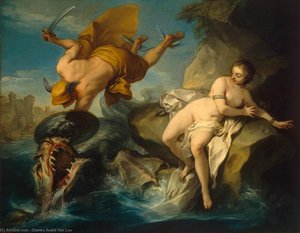 Perseo y Andrómeda1735
 La sultana1747
Ensayos sobre Erigone
 Charles-André van Loo: A Study in Rococo Portraiture & the French Court's Artistic DynamicsExplore the elegant world of Charles-André van Loo, a master of Rococo portraiture at the French court. Discover his life, techniques, and …
 Las 25 obras maestras de Edward Burne-Jones: Tesoros del movimiento prerrafaelitaExplora las 25 obras maestras de Edward Burne-Jones y el prerrafaelismo. Descubre su legado en OriginalUniqueArt.com.
 Las 25 mejores obras de Jean-Antoine Watteau: El alma del RococóExplora las 25 obras maestras de Jean-Antoine Watteau y el Rococó. ¡Descubre toda la colección en OriginalUniqueArt.com!