
![Landscape At Céret [paysage À Céret] — Chaim Soutine](/media/artworks/images-full/35/5a/355a615cc0de7aff615dd914cfa996d2.jpg)
 Vista previa
 Compartir
 Compartir
 Ver detalles
 Guía
Guía

 Descargar
 Ver artículos similares
 Radiografía
 Presentación de diapositivas
 Estadísticas
Landscape at Céret [Paysage à Céret]
 Acrylic On Canvas
- WallArt
- Expressionism
 1922
1922- Modern
 79.0 x 87.0 cm
 Nagoya City Art Museum
 Leer más
Giclée / Impresión de arte
Impresiones giclée o en lienzo de calidad de museo con producción rápida y opciones de acabado flexibles. ( Encargar reproducción pintada a mano Ver versión en imagen digital)




P118B €10

P118H €10

P118W €10

P438Z €10

P508JH €12

P508YH €12

P805H €10

P805Z €10

P919BZ €10

P919G €10

P919XJ €10

P959ZH €10

P968JZ €12

W106C €8

W218G €10

W218JH €8

W218Y €10

W307PJ €10

W316G €10

W316PJ €8

W316Y €10

W398PJ €8

W4111J €10

W500HY €15

W500JH €15

W692G €12

W849H €8

W940BG €15

W953PJ €8




Elija entre nuestros tamaños predefinidos que respetan las proporciones originales de la obra.

Introduzca el ancho y el alto que necesite para adaptarse a su marco o pared. Una impresión solo puede recortarse, nunca hacerse más grande que la imagen original, por lo que un tamaño con una forma distinta perderá parte de la obra. Le enviaremos una maqueta digital para su aprobación antes de realizar cualquier impresión. La imagen que se muestra en esta página no refleja el recorte real; solo la maqueta lo hace.
Envío a todo el mundo () en 2 semanas en lugar de las 4/5 semanas estándar. (23 octubre)

Envío exprés gratuito a todo el mundo

Lienzo de lino de alta calidad

Seguro de envío completo

Garantía de reembolso de impuestos aduaneros

Garantía de fidelidad cromática exacta

Política de devolución de 100 días (solo por defectos)

Garantía de devolución del 100% del dinero

Oferta por volumen
 La opción de vidrio solo está disponible en tamaños inferiores a 110 cm.
![Landscape at Céret [Paysage à Céret]](/static/images/originaluniqueart/artworks/painting.a1e74a1cb7dc.png)
Landscape at Céret [Paysage à Céret]
Giclée / Impresión de arte
Tamaño de la reproducción
-


Precio total
€ 70
Landscape at Céret by Chaim Soutine: A Vision of Turbulent Beauty
Chaim Soutine’s “Landscape at Céret” is more than just a depiction of a Pyrenean hillside; it's a visceral expression of the artist’s inner turmoil and a testament to his singular artistic vision. Painted in 1922, during a pivotal period of his career, this work embodies the raw emotion that would come to define Soutine’s oeuvre – a style characterized by intensely expressive brushwork, distorted forms, and a profound engagement with the psychological landscape.
- Subject Matter: The painting presents a dramatic mountain scene dominated by gnarled trees ablaze with autumnal hues. A small village nestles amongst the foliage, adding a touch of human presence to the otherwise imposing natural world.
- Historical Context: Soutine’s time in Céret was profoundly influential. Following World War I, he sought refuge and creative renewal in this region, a place already associated with artistic innovation – notably, the Cubist explorations of Picasso and Braque. His relationship with art dealer Zachari Zborowski proved crucial to his success, providing both support and access to the Parisian art market.
A Style Forged in Emotion: Soutine’s Technique
Soutine's technique is immediately arresting. He employs a dynamic, almost violent brushstroke – thick impasto applied with a frenetic energy that seems to capture the very essence of movement and instability. The trees aren’t rendered realistically; instead, they are monumentalized, their branches twisting and reaching like tormented limbs. This distortion isn't merely stylistic; it reflects Soutine’s emotional state, his struggle to reconcile beauty with suffering.
- Impasto Technique: The heavy application of paint (impasto) creates a tactile surface, inviting the viewer to engage physically with the artwork.
- Color Palette: Dominated by yellows, ochres, and browns, the color palette evokes a sense of heat, intensity, and perhaps even decay – mirroring the themes of mortality and transformation often present in Soutine’s work.
- Brushwork: The swirling, directional brushstrokes create a powerful sense of movement and energy, drawing the eye across the canvas and contributing to the painting's overall feeling of unease.
Symbolism and Emotional Resonance
"Landscape at Céret" is laden with symbolic weight. The towering trees can be interpreted as representing both strength and vulnerability, while the solitary figure gazing out towards the viewer suggests a sense of isolation and contemplation. The chaotic arrangement of elements – the distorted forms, the intense colors – reflects Soutine’s own psychological state, hinting at the anxieties and uncertainties that permeated his life. The painting speaks to themes of memory, loss, and the struggle for meaning in a world often perceived as hostile or absurd.
- Interpretation: The scene can be seen as a reflection of Soutine's own emotional landscape – turbulent, passionate, and deeply personal.
- Human Element: The presence of the figure adds another layer of complexity, inviting viewers to consider their own relationship with nature and the act of observation.
Dimensions & Details
This exceptional reproduction captures every nuance of Soutine’s original masterpiece. The dimensions are 79 x 87 cm (31 ¼ x 34 ¼ inches), making it suitable for a variety of interior spaces. Produced using high-quality materials, this hand-painted reproduction offers an authentic representation of this iconic work, ensuring that its beauty and emotional power will be enjoyed for generations to come.
Preguntas y respuestas
¿Qué saturación e intensidad muestra "Landscape at Céret [Paysage à Céret]" de Chaim Soutine?
Los colores de "Landscape at Céret [Paysage à Céret]" de Chaim Soutine muestran una saturación Subtle Color con una intensidad Balanced.
¿Qué tipo de obra es "Landscape at Céret [Paysage à Céret]"?
"Landscape at Céret [Paysage à Céret]" de Chaim Soutine está clasificada como WallArt. La categoría describe el tipo de obra de arte que es el original.
¿A qué periodo histórico pertenece "Landscape at Céret [Paysage à Céret]" de Chaim Soutine?
El periodo histórico de "Landscape at Céret [Paysage à Céret]" de Chaim Soutine es Modern. Esta clasificación sitúa la obra en la historia del arte.
Biografía del artista
Primeros Años y Educación
- Nacimiento y Orígenes: Chaïm Soutine nació el 13 de enero de 1893 en Smilovichi, Rusia (actualmente Bielorrusia).
- Antecedentes Familiares: Era el décimo de once hijos en una familia judía pobre. Su vida temprana estuvo marcada por la adversidad y su relación con sus padres fue compleja.
- Inclinación Artística Temprana: A pesar de las restricciones sobre la representación figurativa dentro de su comunidad ortodoxa, Soutine demostró un talento temprano para el dibujo.
- Formación Formal: De 1910 a 1913, estudió en una pequeña academia de arte en Vilna (actualmente Vilnius, Lituania).
- Traslado a París: En 1913, Soutine emigró a París, un momento crucial que moldeó su desarrollo artístico. Se inscribió en la École des Beaux-Arts y estudió bajo Fernand Cormon.
Estilo Artístico e Influencias
- Tendencias Expresionistas: Si bien a menudo se clasifica como expresionista, el estilo de Soutine fue único, combinando elementos de la pintura europea tradicional con una intensidad emocional cruda.
- Influencias: Se inspiró en maestros como Rembrandt, Chardin y Courbet, pero reinterpretó sus temas a través de su propia lente.
- Características Clave: Su obra se caracteriza por colores audaces, impasto grueso (aplicación texturizada de pintura), pinceladas agitadas y un enfoque en la experiencia emocional más que en la representación precisa.
- Temática: Soutine representó con frecuencia paisajes, retratos y bodegones, a menudo imbuídos de una sensación de inquietud o tensión psicológica. Los temas recurrentes incluían alimentos y animales, lo que reflejaba sus experiencias personales y su herencia judía.
Desarrollo y Obras Principales
- Primer Período en París (1913-1917): Luchando financieramente, Soutine vivió en la pobreza mientras desarrollaba su estilo distintivo.
- Período de Céret (1919-1922): Un período crucial donde produjo muchos de sus paisajes más celebrados, caracterizados por colores vibrantes y formas distorsionadas. Obras notables de este tiempo incluyen varias representaciones de árboles, acantilados y campos en la región de Céret.
- Retratos: Los retratos de Soutine son notables por su intensidad y profundidad psicológica. A menudo representaba a personas de clase trabajadora con una honestidad cruda que desafiaba el retrato convencional.
- Bodegones: Sus bodegones, con arreglos de alimentos y objetos, transmiten una sensación de vitalidad y, a veces, energía inquietante.
- Obras Notables: Estudio para la Danza de la Vida (Lehmbruck Museum), varios paisajes de Céret, retratos de emigrados rusos en París.
Reconocimiento e Legado
- Asociación con la Escuela de París: Soutine formó parte de la Escuela de París, un grupo de artistas que trabajaron en París durante principios del siglo XX y que exploraron diversos estilos y enfoques artísticos.
- Apoyo de Leopold Zborowski: El marchante de arte Leopold Zborowski jugó un papel crucial en la promoción de la obra de Soutine y en asegurar su estabilidad financiera.
- Recepción Crítica: Si bien inicialmente se encontró con críticas mixtas, la reputación de Soutine creció constantemente con el tiempo.
- Influencia en Artistas Posteriores: Su uso expresivo de la pintura e intensidad emocional influyó profundamente en artistas posteriores, incluyendo a Willem de Kooning y Francis Bacon.
- Reconocimiento Póstumo: Hoy en día, Chaïm Soutine es reconocido como una figura importante del Expresionismo y un contribuyente significativo al arte del siglo XX. Sus obras se conservan en prestigiosos museos de todo el mundo.
Significado Histórico
- Puente entre las Tradiciones y la Modernidad: La obra de Soutine representa un puente entre las técnicas de pintura europea tradicionales y las formas emergentes del Expresionismo Abstracto.
- Exploración de la Emoción y la Subjetividad: Priorizó la expresión emocional sobre la representación objetiva, contribuyendo al cambio en el arte hacia una mayor subjetividad.
- Voz Única dentro del Expresionismo: Si bien se asocia con el Expresionismo, Soutine desarrolló una voz artística única que trascendió los temas y preocupaciones típicos del Expresionismo.
- Impacto en Movimientos Artísticos Subsecuentes: Su uso innovador de la pintura y su estilo expresivo allanaron el camino para desarrollos posteriores en el Expresionismo Abstracto y otros movimientos.

Chaim Soutine
1894 - 1943 , Rusia
Datos clave
- Artistas Que Influyeron:
- Rembrandt
- Chardin
- Courbet
- Fecha De Muerte: 9 de agosto de 1943
- Fecha De Nacimiento: 13 de enero de 1893
- Influenciado A Artistas:
- Willem de Kooning
- Francis Bacon
- Lugar De Nacimiento: Smilovichi, Rusia
- Movimiento Artístico: Expresionismo
- Nacionalidad: Bielorruso/Francés
- Nombre Completo: Chaim Soutine
- Obras Notables: ['Estudio para la Danza de Vida']
Artículos relacionados

Evocations of Place: A Historical Journey Through Landscape Art
Explore the rich history of landscape art with OriginalUniqueArt. Discover renowned artists, movements like Impressionism & Romanticism, and expert guidance for collecting timeless pieces. Find your perfect serene escape today!
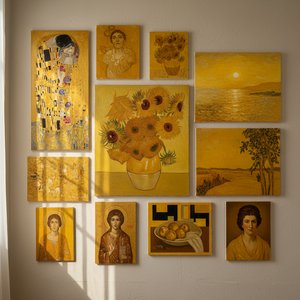
Los 10 cuadros más famosos dominados por el ocre amarillo: Arte y decoración atemporal
Descubre los 10 cuadros más famosos con tonos ocres amarillos. Explora la historia de Van Gogh, Monet y otros artistas clave del impresionismo y postimpresionismo. Encuentra reproducciones de arte de museo en .

Paisajes Románticos: 10 Obras Maestras que Definieron un Movimiento Artístico
Descubre los 10 paisajes románticos más influyentes de artistas como Caspar David Friedrich y Turner. Explora la belleza, el simbolismo y las técnicas del movimiento romántico. Reproducciones de arte exclusivas en OriginalUniqueArt.com.

Evocations of Place: A Historical Journey Through Landscape Art
Explore the rich history of landscape art with OriginalUniqueArt. Discover renowned artists, movements like Impressionism & tonalism, and expert guidance for collecting timeless pieces. Find your perfect serene escape today!

John Constable: Las 25 Obras Maestras del Paisaje Inglés | OriginalUniqueArt
Descubre las 25 obras maestras de John Constable, el pintor romántico inglés que capturó la belleza del paisaje. Explora su técnica, historia y significado en OriginalUniqueArt.com. Reproducciones de arte de alta calidad para tu hogar.


