

 Ver en contexto
 Enviar
 Compartir
 Detalles
 Guía
Guía

 Descargar
 Similares
 Radiografía
 Presentación de diapositivas
 Q&A
Q&A Estadísticas
Two Musicians
 Oil On Canvas
- WallArt
- Expressionism
 1954
1954 51.0 x 61.0 cm
 Colección del Consejo de las Artes
 Ver más
La obra de arte que se muestra en esta página está protegida por las leyes de propiedad intelectual, lo que significa que no podemos crear ni vender legalmente una reproducción idéntica. Esta protección se hace cumplir en virtud de acuerdos internacionales como el Convenio de Berna y por las leyes nacionales, incluidas aquellas establecidas por el Ley de derechos de autor de los EE. UU. - Título 17.
Este método cumple plenamente con las normativas de derechos de autor, ya que no implica la copia ni la duplicación de la obra protegida. En su lugar, se trata de una reinterpretación creativa: una nueva pintura influenciada por la original, pero que no es idéntica a ella.
Giclée / Impresión de arte
Impresiones giclée o en lienzo de calidad de museo con producción rápida y opciones de acabado flexibles. ( Comprar pintura hecha a mano Cambiar a imagen digital)




P118B €10

P118H €10

P118W €10

P438Z €10

P508JH €12

P508YH €12

P805H €10

P805Z €10

P919BZ €10

P919G €10

P919XJ €10

P959ZH €10

P968JZ €12

W106C €8

W218G €10

W218JH €8

W218Y €10

W307PJ €10

W316G €10

W316PJ €8

W316Y €10

W398PJ €8

W4111J €10

W500HY €15

W500JH €15

W692G €12

W849H €8

W940BG €15

W953PJ €8




Elija entre nuestros tamaños predefinidos que respetan las proporciones originales de la obra.

Introduzca el ancho y el alto que necesite para adaptarse a su marco o pared. Una impresión solo puede recortarse, nunca hacerse más grande que la imagen original, por lo que un tamaño con una forma distinta perderá parte de la obra. Le enviaremos una maqueta digital para su aprobación antes de realizar cualquier impresión. La imagen que se muestra en esta página no refleja el recorte real; solo la maqueta lo hace.
Envío a todo el mundo () en 2 semanas en lugar de las 4/5 semanas estándar. (30 octubre)

Envío exprés gratuito a todo el mundo

Lienzo de lino de alta calidad

Seguro de envío total

Garantía de reembolso de aranceles aduaneros

Garantía de fidelidad cromática exacta

Política de devolución de 100 días (solo por defectos)

Garantía de devolución del 100% del dinero

Descuento por cantidad
 La opción de vidrio solo está disponible en tamaños inferiores a 110 cm.

Two Musicians
Giclée / Impresión de arte
Dimensiones de la reproducción
-


Precio total final
€ 71
Ceri Richards’ “Two Musicians”: A Rhapsody in Orange
Ceri Richards' "Two Musicians," painted in 1954, isn’t merely a depiction of two figures engaged in musical activity; it’s an immersive experience—a vibrant, emotionally charged exploration of sound, movement, and the very essence of artistic expression. This work, a cornerstone of Welsh modernism, transcends simple representation to become a powerful distillation of feeling, firmly rooted in Richards' deep connection to both music and the landscape of his native Wales. The painting immediately commands attention with its audacious use of color – a dominant palette of fiery oranges and reds that pulsates with an almost palpable energy. These aren’t gentle hues; they are bold, assertive strokes designed to evoke passion, intensity, and perhaps even a touch of drama.
Richards' stylistic choices firmly place “Two Musicians” within the realm of Expressionism and early Cubism, though he synthesizes these influences into something uniquely his own. The figures themselves are rendered with remarkable abstraction; their forms are simplified, almost geometric, yet retain enough recognizable human quality to suggest a narrative. Lines are thick and expressive, not meticulously outlining shapes but rather conveying movement and texture through the application of paint itself. This impasto technique—the building up of layers of pigment—creates a tactile surface, inviting the viewer to reach out and feel the energy contained within the canvas. The flattened perspective further contributes to this sense of immediacy, prioritizing emotional impact over strict adherence to realistic spatial representation.
The Influence of Music and Welsh Identity
Richards’ lifelong fascination with music served as a primary catalyst for his artistic vision. He wasn't simply painting musicians; he was attempting to capture the *feeling* of music—its rhythm, its flow, its emotional resonance. The swirling arabesque patterns that dominate the composition are directly inspired by musical notation, mirroring the intricate dance of notes on a page. The placement of the central figures, bathed in this vibrant light, suggests an intimate moment of shared experience, perhaps a duet or a conversation through music. This connection to Welsh culture is also evident; Richards’ upbringing in Dunvant, steeped in folklore and choral tradition, profoundly shaped his artistic sensibilities.
Further adding to the painting's complexity is the subtle inclusion of symbolic elements. The prominent pot, adorned with a dragon motif—a potent symbol in Welsh heraldry—appears to be an integral part of the scene, almost acting as a conduit for the music itself. Its placement behind the musicians suggests a connection between tradition, artistry, and the creative spirit. This layering of meaning elevates “Two Musicians” beyond a straightforward portrait, transforming it into a rich tapestry of cultural references and artistic intentions.
Technique and Historical Context
The painting’s execution is remarkably confident and assured. Richards masterfully employs color to create depth and dynamism, using warm hues to draw the eye towards the central figures while simultaneously establishing a sense of movement throughout the composition. The thick application of paint—the hallmark of his impasto technique—adds considerable texture and visual interest, inviting close examination. “Two Musicians” was created during a period of significant artistic experimentation in Britain, following the devastation of World War II. Richards’ work reflects this spirit of renewal and exploration, embracing abstraction and emotional expression as ways to grapple with the complexities of the modern world.
The painting's creation coincided with a renewed interest in Welsh identity and culture, fueled by figures like Dylan Thomas. Richards’ engagement with Thomas’ poetry—as evidenced by his later series “Homage to Dylan Thomas”—demonstrates a broader cultural dialogue taking place within Wales at the time. “Two Musicians” can be seen as part of this larger movement, reflecting a desire to celebrate Welsh heritage and artistic innovation.
Collecting and Experiencing "Two Musicians"
Reproductions of “Two Musicians” offer a remarkable opportunity to bring Richards’ vibrant vision into your home or office. The painting's bold colors and dynamic composition will undoubtedly serve as a focal point, injecting energy and passion into any space. Consider framing the artwork in a way that complements its intensity—a dark wood frame would provide a striking contrast, while a lighter color scheme could allow the colors of the painting to truly shine. Beyond its aesthetic appeal, “Two Musicians” is a testament to Richards’ artistic genius—a powerful and evocative work that continues to resonate with viewers today.
Preguntas y respuestas
¿Cuál es el formato y las dimensiones de "Two Musicians"?
El formato de "Two Musicians" es Landscape y la obra original mide 51 x 61 cm. Ambos datos son útiles al planificar una reproducción.
¿Qué técnica se utilizó para "Two Musicians" y cuándo fue creada?
"Two Musicians" fue creada en 1954 mediante la técnica de Oil On Canvas. El material y la fecha describen cómo y cuándo se realizó la obra original.
¿Cómo se describe la paleta de colores de "Two Musicians" de Ceri Richards?
La paleta de "Two Musicians" de Ceri Richards se describe como Earthy. Es una descripción concisa de los colores de la obra.
Biografía del artista
Primeros Años y Educación
- Nacido: Dunvant, Estados Unidos de América (1903)
- Fallecido: 1971
- Ceri Giraldus Richards nació en una familia trabajadora altamente culta en el pueblo de Dunvant, cerca de Swansea. Su padre, Thomas Coslett Richards, participó activamente en la iglesia local y escribió poesía, fomentando un ambiente creativo para Ceri y sus hermanos.
- Asistió a la Escuela Intermedia Gower donde demostró talento artístico desde temprana edad, ganando concursos locales.
- Aprendiz de una empresa eléctrica, continuó estudios de arte en el Colegio de Arte de Swansea.
- En 1924, Richards ganó una beca para estudiar en el Royal College of Art de Londres, marcando un paso significativo en su formación artística formal.
Desarrollo Artístico e Influencias
- Las primeras influencias incluyeron la exposición a artistas como Renoir, Van Gogh, Monet, Cézanne, Corot y Daumier durante una escuela de verano en Gregynog Hall en 1923.
- Su trabajo gradualmente se movió hacia el surrealismo después de ser influenciado por Picasso y Kandinsky.
- Richards estuvo profundamente inspirado por la música; temas de compositores clásicos como Bach y Handel, así como melodías folclóricas galesas, aparecieron con frecuencia en su obra artística.
- Los paisajes de Gower y los ciclos de la naturaleza también jugaron un papel importante a la hora de dar forma a su visión artística.
Obras Principales y Estilo
- Pinturas Notables: "Girl at Piano" (1949), "Two Musicians" (1954), "Yellow Interior" (1950), "Arrangement for Piano" (1949), "Cycle of Nature" (1944), "Costerwoman" (1939), "Blue Figures".
- Grabado: Richards fue un grabador habilidoso, creando numerosas obras para Curwen Press a partir de 1959.
- Diseño: Diseñó vidrieras para la Catedral de Derby (1964-5) y la Catedral Metropolitana de Liverpool (1965).
- Estilo: El estilo de Richards se caracteriza por una mezcla de influencias expresionistas, surrealistas y cubistas. Sus obras a menudo presentan figuras distorsionadas, paisajes oníricos y un uso audaz del color para transmitir emoción y simbolismo. A menudo incorporaba temas musicales en sus composiciones.
Reconocimiento y Legado
- Premio de la Bienal de Venecia: Richards recibió un premio en la Bienal de Venecia en 1962, marcando un punto culminante en su carrera.
- Colecciones: Sus obras se encuentran en prestigiosas colecciones como Tate Britain, Glynn Vivian Art Gallery (Swansea) y el Museo Nacional de Cardiff.
- Significado Histórico: Ceri Richards es reconocido como una figura importante del arte británico del siglo XX, conocido por su mezcla única de estilos artísticos y su capacidad para traducir la inspiración musical en forma visual. Contribuyó significativamente al desarrollo del surrealismo dentro de un contexto galés.
Vida Posterior y Fallecimiento
- Richards se casó con Frances Clayton en 1929; tuvieron dos hijas, Rachel y Rhiannon.
- Pasó la mayor parte de su vida en Londres, con un período enseñando arte en Cardiff durante la Segunda Guerra Mundial.
- Ceri Giraldus Richards falleció en Londres el 9 de noviembre de 1971.

Ceri Richards
1903 - 1971 , Estados Unidos de América
Datos clave
- Artistas Que Influyeron:
- Renoir
- Van Gogh
- Monet
- Cézanne
- Corot
- Daumier
- Picasso
- Kandinsky
- Fecha De Fallecimiento: 9 de noviembre de 1971
- Fecha De Nacimiento: 6 de junio de 1903
- Lugar De Nacimiento: Dunvant, Reino Unido
- Movimiento Artístico: Surrealismo, Modernismo
- Nacionalidad: Galés, Británico
- Nombre Completo: Ceri Giraldus Richards
- Obras Notables:
- Girl at Piano
- Two Musicians
- Yellow Interior
- Arrangement for Piano
- Cycle of Nature
- Costerwoman
- Blue Figures
Artículos relacionados

Kandinsky: Las 25 Obras Maestras del Pionero de la Abstracción | OriginalUniqueArt
Descubre las 25 obras maestras de Wassily Kandinsky, pionero del arte abstracto. Explora su expresionismo, composiciones únicas y la historia detrás de cada cuadro. Reproducciones de alta calidad para decorar tu hogar con arte moderno en OriginalUniqueArt.com.
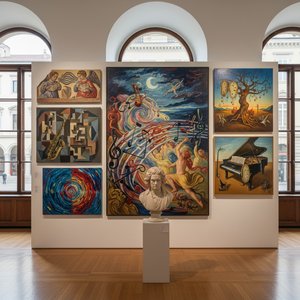
Harmonies on Canvas: Exploring the Visual Representation of Music in Art History
Explore the fascinating history of music's visual representation in art! From ancient symbolism to modern abstraction, discover how artists have captured sound and emotion on canvas. Expert insights & stunning examples.
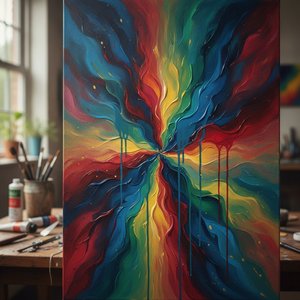
Lyrical Abstraction: The Emotional Power of Color and Form in Modern Art History
Explore the profound emotional depth of Lyrical Abstraction. Discover how masters like Raymond Parker used color and form to bridge Impressionism and Abstract Expressionism. Learn about this pivotal movement through our expert-led art history guide.

Expresionismo Abstracto: 10 Obras Maestras que Transformaron el Arte |
Descubre las 10 obras maestras del Expresionismo Abstracto: Pollock, Rothko y más. Explora la historia, técnica y significado de estos lienzos icónicos. Reproducciones de arte exclusivas en .
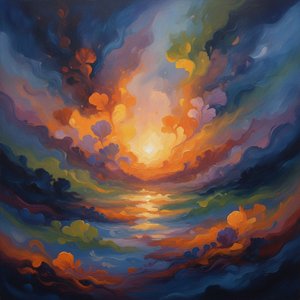
The Soul of Color: A Journey into the Emotional Resonance of Lyrical Abstraction
Embark on a cultural journey through Lyrical Abstraction. Explore how masters like Kandinsky used color and motion to translate emotion into visual poetry. Discover the profound beauty of abstract expressionism and learn to curate emotional resonance in your own art collection.
