Vista previa
 Compartir
 Compartir
 Ver detalles
 Guía
Guía

 Descargar
 Ver artículos similares
 Radiografía
 Presentación de diapositivas
 Estadísticas
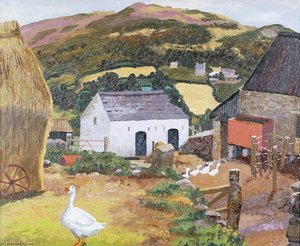
Halcyon
 Oil On Canvas
- WallArt
- Symbolism
 1927
1927 51.0 x 66.0 cm
 Norwich Castle Museum And Art Gallery
 Leer más
Reproducción al óleo hecha a mano
Óleo sobre lienzo pintado a mano en el tamaño y marco de su elección, realizado por encargo por nuestros artistas. ( Cambiar a formato impreso Ver versión en imagen digital)




P118B $10

P118H $10

P118W $10

P438Z $10

P508JH $12

P508YH $12

P805H $10

P805Z $10

P919BZ $10

P919G $10

P919XJ $10

P959ZH $10

P968JZ $12

W106C $8

W218G $10

W218JH $8

W218Y $10

W307PJ $10

W316G $10

W316PJ $8

W316Y $10

W398PJ $8

W4111J $10

W500HY $15

W500JH $15

W692G $12

W849H $8

W940BG $15

W953PJ $8




Elija entre nuestros tamaños predefinidos que respetan las proporciones originales de la obra.

Puede ingresar sus propias dimensiones para adaptarse a un marco o espacio específico. Si el tamaño seleccionado no coincide con las proporciones de la imagen original, recortaremos la obra o extenderemos la pintura con elementos adicionales pintados a mano. Se le enviará una maqueta digital para su aprobación antes de comenzar la producción.
Tenga en cuenta que la vista previa en pantalla no refleja el recorte o la extensión reales. Solo la maqueta mostrará con precisión la composición final.
Si bien existen tamaños personalizados, recomendamos seleccionar una dimensión de la lista predefinida para preservar las proporciones originales.
Tras realizar el pedido, el equipo de OriginalUniqueArt.com enviará un correo electrónico al cliente para solicitar instrucciones y proporcionarle una vista previa del boceto.
Envío a todo el mundo () en 3-4 semanas en lugar de las 5 semanas estándar. (27 septiembre). Sin comprometer la calidad.

Envío exprés gratuito a todo el mundo

Lienzo de lino de alta calidad

Seguro de envío completo

Garantía de reembolso de impuestos aduaneros

Garantía de fidelidad cromática exacta

Política de devolución de 100 días (solo por defectos)

Garantía de devolución del 100% del dinero

Oferta por volumen
 La opción de vidrio solo está disponible en tamaños inferiores a 110 cm.

Halcyon
Técnica de reproducción
Tamaño de la reproducción
-


Precio total
$ 300
The Enigmatic Beauty of Cedric Lockwood Morris’s Halcyon
Cedric Lockwood Morris's Halcyon, painted in 1927, isn’t merely a depiction of a beach scene; it’s an arresting meditation on the delicate balance between beauty and danger, tranquility and predation. This oil-on-canvas masterpiece, currently residing within the Norwich Castle Museum & Art Gallery, immediately draws the viewer into its dreamlike atmosphere – a hazy expanse of sand, sea, and sky rendered with a remarkable sensitivity to light and texture. The painting’s power lies not in photographic realism but in Morris's masterful manipulation of color and form to evoke a profound emotional response.
At first glance, the composition appears deceptively simple: a woman reclining gracefully on the beach, her limbs spread languidly, seemingly lost in blissful repose. However, a closer examination reveals a subtle tension beneath this surface serenity. The central figure, bathed in soft, diffused light, possesses an almost ethereal quality, yet her posture—a slight tilt of the head, a barely perceptible curve of the lips—suggests a quiet awareness, a hint of vulnerability. Above her, poised and predatory, is a magnificent kingfisher, its vibrant blue plumage contrasting sharply with the muted tones of the sand and sea. This bird isn’t merely an accessory; it's a potent symbol – a representation of both beauty and threat, innocence and impending danger.
Decoding Symbolism: Nature, Humanity, and Mortality
Morris, a British artist known for his unique blend of realism and fantasy, frequently explored themes of nature, landscapes, and the human condition. Halcyon exemplifies this approach, layering symbolic meaning within a seemingly straightforward scene. The beach itself represents a liminal space – a transition zone between land and sea, reality and dream. The woman’s reclining pose can be interpreted as an invitation to contemplation, a surrender to the allure of nature's beauty. Yet, the kingfisher’s presence introduces a darker element, hinting at the precariousness of this idyllic state. The bird is often associated with transformation, but in this context, it carries a more ominous connotation – a reminder of mortality and the inevitability of predation.
Furthermore, the painting's style—rooted in early 20th-century Symbolism and Expressionism—contributes to its evocative power. The flattened perspective, loose brushstrokes, and emphasis on emotional expression rather than precise representation create a dreamlike quality, inviting viewers to project their own interpretations onto the scene. Morris’s use of oil paint allows for rich textures and subtle gradations of color, adding depth and luminosity to the canvas. The rough texture suggests an immediacy, as if the artist captured a fleeting moment in time.
Technique and Artistic Context
Morris's technical skill is evident in every detail of Halcyon. The careful rendering of light and shadow creates a sense of atmosphere, while the vibrant colors—particularly the striking blue of the kingfisher—draw the eye to the focal point of the composition. The painting’s dimensions – 51 x 66 cm – are perfectly suited to capture the intimacy and drama of the scene. It's important to note that Morris was a prominent figure in the British art world, known for his exhibitions and teaching roles. His work reflects a broader artistic movement that sought to explore subjective experience and emotional truth.
Considering its creation in 1927, during a period of significant social and cultural change, Halcyon offers a poignant reflection on the relationship between humanity and nature. It’s a captivating artwork that continues to resonate with viewers today, prompting questions about beauty, danger, and the enduring mysteries of the human psyche.
Biografía del artista
Primeros Años y Educación
- Nacimiento: 11 de diciembre de 1889, en Sketty, Swansea, Gales del Sur
- Padres: George Lockwood Morris (industrialista e internacional rugby) y Wilhelmina Cory
- Antecedentes Familiares: Descendiente de Sir John Morris, 1er Barón; conexión con los fundadores de la Galería de Cuadros Dulwich.
- Educación: Escuela St Cyprian's, Eastbourne; Charterhouse School, Godalming.
- Primeras Ambiciones: Intentó obtener una comisión militar pero fracasó; trabajó en granjas en Canadá y ocupó varios puestos en Nueva York.
- Intereses Musicales: Estudió brevemente canto en el Royal College of Music de Londres antes de dedicarse a la pintura.
Desarrollo Artístico e Influencias
- Formación Temprana: Estudió en la Académie Delécluse en Montparnasse, París (1914).
- Experiencia en la Primera Guerra Mundial: Sirvió con los Artists' Rifles pero fue considerado médicamente no apto; trabajó entrenando caballos.
- Relaciones Clave: Cercana amistad y asociación artística con Arthur Lett-Haines (a partir de 1918); asociación con Frances Hodgkins.
- Estilo Temprano: Inicialmente influenciado por el Impresionismo y el Postimpresionismo, evidente en sus paisajes y retratos.
- Desarrollo del Estilo Característico: Se hizo conocido por vibrantes pinturas de flores, uso audaz del color y representaciones expresivas del campo de East Anglia.
Obras Principales y Contribuciones Artísticas
- Retratos: Produjo numerosos retratos que capturan el carácter y la personalidad de sus sujetos.
- Pinturas de Flores: Sus obras más celebradas; caracterizadas por colores intensos y un enfoque en los detalles botánicos. A menudo descrito como "un Van Gogh o Utrillo para aquellos de modestos medios".
- Paisajes: Representó los paisajes de Gales del Sur y East Anglia con un estilo distintivo y expresivo.
- Murales: Pintó grandes murales de flores a bordo del liner Queen Mary (1935).
- East Anglian School of Painting and Drawing: Co-fundada con Arthur Lett-Haines en 1937; fomentó una generación de artistas británicos, incluyendo a Lucian Freud y Maggi Hambling. La escuela enfatizaba el sentimiento sobre la representación estricta.
Vida Posterior y Legado
- Activismo Político: Se involucró con el Partido Laborista de Hadleigh a fines de la década de 1930.
- Declive en la Popularidad: Experimentó un período de relativa oscuridad después de la Segunda Guerra Mundial.
- Revival del Interés: Una nueva apreciación por su obra comenzó en los últimos años de su vida y ha continuado desde su muerte.
- Fallecimiento: Falleció el 8 de febrero de 1982, en Hadleigh, Suffolk.
- Significado Histórico: Reconocido como una figura significativa en el arte británico del siglo XX; su obra ejemplifica una mezcla única de observación y expresión. Su influencia a través de la East Anglian School también es notable.
Datos Clave
- Títulos: Sir (1947), 9º Barón
- Nacionalidad: Británico
- Movimiento: Asociado con el Arte Moderno Británico
- Medios: Pintura al óleo, acuarela

Cedric Morris
1889 - 1982 , Reino Unido
Datos clave
- Artistas O Movimientos Influenciados Por Este Artista:
- Lucian Freud
- Maggi Hambling
- Artistas Que Influyeron En Este Artista:
- Noel Desenfans
- Francis Bourgeois
- Fecha De Fallecimiento: 8 de febrero de 1982
- Fecha De Nacimiento: 11 de diciembre de 1889
- Lugar De Nacimiento: Sketty, Reino Unido
- Movimiento Artístico O Estilo: Moderno Británico
- Nacionalidad: Británico
- Nombre Completo: Cedric Lockwood Morris
Artículos relacionados

The Enduring Power of Painting: A Historical & Contemporary Exploration of Form and Emotion
Explore the rich history & enduring techniques of oil painting with OriginalUniqueArt. Discover masterpieces, learn about art collecting, and find authentic handmade reproductions crafted by skilled artists.

El Óleo sobre Lienzo: Historia, Técnica y la Persistencia de un Medio Artístico Atemporal
Descubre la historia y técnica del óleo sobre lienzo. Explora reproducciones fieles hechas a mano, personalización artística y consejos de expertos con OriginalUniqueArt. ¡Colecciona arte con confianza!

The Enduring Legacy of Oil on Canvas: Technique, History & Aesthetic Impact
Explore the rich history & techniques of oil painting – from Renaissance masters to Impressionism. Discover pigments, layering methods, and why this timeless medium endures. Expert insights for artists & art enthusiasts.
The Timeless Charm of Oil on Board: Reimagining Texture and Light through the Impressionist Lens
Discover the profound intimacy of oil on panel. Explore how Impressionist masters used rigid supports to capture light, texture, and impasto depth through exquisite, handmade oil reproductions for discerning collectors.

El Legado Duradero del Óleo sobre Lienzo: Técnica, Historia y Práctica Contemporánea
Descubre la historia y técnica del óleo sobre lienzo. Explora reproducciones fieles hechas a mano, personalización artística y consejos de expertos con .