Ver en contexto
 Enviar
 Compartir
 Detalles

 Descargar
 Similares
 Radiografía
 Presentación de diapositivas
 Estadísticas
Self-portrait
 Graphite
- WallArt
- Baroque
 1684
1684- Renaissance
 37.0 x 27.0 cm
 Museo Británico
 Ver más
Reproducción al óleo hecha a mano
Óleo sobre lienzo pintado a mano en el tamaño y marco de su elección, realizado por encargo por nuestros artistas. ( Cambiar a Impresión Cambiar a imagen digital)




P118B $10

P118H $10

P118W $10

P438Z $10

P508JH $12

P508YH $12

P805H $10

P805Z $10

P919BZ $10

P919G $10

P919XJ $10

P959ZH $10

P968JZ $12

W106C $8

W218G $10

W218JH $8

W218Y $10

W307PJ $10

W316G $10

W316PJ $8

W316Y $10

W398PJ $8

W4111J $10

W500HY $15

W500JH $15

W692G $12

W849H $8

W940BG $15

W953PJ $8




Elija entre nuestros tamaños predefinidos que respetan las proporciones originales de la obra.

Puede ingresar sus propias dimensiones para adaptarse a un marco o espacio específico. Si el tamaño seleccionado no coincide con las proporciones de la imagen original, recortaremos la obra o extenderemos la pintura con elementos adicionales pintados a mano. Se le enviará una maqueta digital para su aprobación antes de comenzar la producción.
Tenga en cuenta que la vista previa en pantalla no refleja el recorte o la extensión reales. Solo la maqueta mostrará con precisión la composición final.
Si bien existen tamaños personalizados, recomendamos seleccionar una dimensión de la lista predefinida para preservar las proporciones originales.
Tras realizar el pedido, el equipo de OriginalUniqueArt.com enviará un correo electrónico al cliente para solicitar instrucciones y proporcionarle una vista previa del boceto.
Envío a todo el mundo () en 3-4 semanas en lugar de las 5 semanas estándar. (13 septiembre). Sin comprometer la calidad.

Envío exprés gratuito a todo el mundo

Lienzo de lino de alta calidad

Seguro de envío total

Garantía de reembolso de impuestos aduaneros

Garantía de fidelidad cromática exacta

Política de devolución de 100 días (solo por defectos)

Garantía de devolución del 100% del dinero

Descuento por cantidad
 La opción de vidrio solo está disponible en tamaños inferiores a 110 cm.

Self-portrait
Técnica de reproducción
Dimensiones de la reproducción
-


Precio total final
$ 300
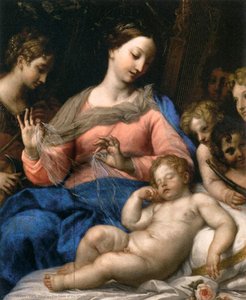
A Portrait of Quiet Dignity: Carlo Maratta's 1684 Self-Portrait
This meticulously rendered graphite drawing, created in 1684 by the Roman master Carlo Maratta, offers a remarkably intimate glimpse into the mind and artistry of one of the Baroque period’s most influential figures. Measuring just 37 x 27 cm, this seemingly modest work belies the profound depth of observation and technical skill it embodies. It's not merely a likeness; it’s a carefully constructed statement about self-awareness, artistic discipline, and the enduring legacy of classical ideals within a distinctly Baroque framework.
The image presents a frontal view of Maratta himself, captured with an almost unnerving directness. The composition is strikingly focused – the entire canvas devoted to his face and upper torso, devoid of any distracting background elements. This deliberate framing intensifies the viewer’s attention, forcing a contemplative engagement with the subject's gaze. The style leans heavily towards realism, yet it’s tempered by Maratta’s commitment to classical principles, evident in the balanced proportions and restrained emotionality. Notice how geometric shapes – circles for the eyes, ovals defining the head and torso, and rectangles outlining the collar – are used to create a structured, almost architectural representation of the figure.
The Language of Line: Technique and Detail
Maratta’s mastery lies in his command of line. Predominantly linear, these lines aren't simply outlines; they’re carefully calibrated to define every contour with precision. Varying line weights – from delicate hairlines to bolder strokes delineating the clothing – create a dynamic sense of texture and volume. Hatching techniques are employed subtly yet effectively, simulating the appearance of fabric folds and the intricate strands of hair, adding a tactile quality to the image. The slight blurring effect inherent in graphite lends a softness to the overall rendering, suggesting both age and the artist’s deliberate control over the medium.
The monochromatic palette – solely shades of grey – further emphasizes the drawing's formal qualities. It’s a testament to Maratta’s ability to convey form, light, and shadow entirely through line and tone. The single, implied light source, positioned above and slightly in front of the subject, casts carefully rendered shadows that sculpt the figure’s three-dimensional form with remarkable accuracy. This attention to detail speaks volumes about Maratta's dedication to anatomical study and his understanding of how light interacts with surfaces.
Contextualizing a Baroque Classicist
Created in 1684, this self-portrait places Maratta firmly within the context of late Baroque Rome. He was a pivotal figure in transitioning from the more dramatic excesses of the High Baroque to a style characterized by greater clarity, balance, and a renewed interest in classical forms – a movement he largely spearheaded. As documented in his biography by Bellori, Maratta’s early training under Andrea Sacchi instilled within him a deep respect for intellectual rigor and harmonious design. This influence is clearly evident here; the composition feels deliberately controlled, reflecting a philosophical approach to art that prioritized reason and order over flamboyant spectacle.
Maratta's work was commissioned by prominent figures in Rome, including Popes, demonstrating his status as one of the leading artists of his time. His dedication to meticulous draftsmanship and classical principles made him highly sought after for portraits and frescoes alike. This self-portrait serves not only as a visual record of Maratta’s appearance but also as a window into his artistic philosophy – a quiet testament to the enduring power of observation, discipline, and the pursuit of beauty.
Biografía del artista
Primeros años y formación
Carlo Maratta, un destacado pintor italiano, nació el 15 de mayo de 1625 en Camerano, Estados Pontificios (actualmente Italia). A la edad de 11 años, se mudó a Roma, donde se convirtió en aprendiz en el estudio de Andrea Sacchi. Esto marcó el comienzo de su viaje artístico, que eventualmente lo llevaría a convertirse en una figura líder en la escuela romana de pintura.Estilo artístico e influencias
Las pinturas de Maratta se caracterizan por su estilo clasicizante, ejecutado en una manera barroca clásica tardía. Aunque formaba parte de la tradición clásica derivada de Rafael, no estuvo exento de la influencia de la pintura barroca, particularmente en su uso del color. Su contemporáneo y amigo, Giovanni Bellori, escribió una biografía temprana sobre Maratta, destacando su enfoque artístico único.Obras notables y comisiones
Algunas de las obras notables de Maratta incluyen:- La Visita (1656) para Santa Maria della Pace, que muestra su dominio de la luz y el movimiento.
- El Misterio de la Trinidad Revelada a San Agustín (c. 1655), demostrando su capacidad para equilibrar el idealismo clásico con elementos barrocos.
- La Aparición de la Virgen a San Felipe Neri (c. 1675), ahora en el Palacio Pitti en Florencia, ejemplificando su talentosa interpretación del tema.
Legado y honores
La carrera artística de Maratta abarcó más de seis décadas, durante las cuales recibió numerosas comisiones de prominentes mecenas, incluidos seis papas. Fue nombrado Surintendent des chambres du Vatican por Inocencio XI y se le encargó reparar los frescos de Rafael en el Vaticano en 1702-1703. El legado de Maratta como maestro de la manera barroca clásica tardía continúa siendo celebrado a través de sus obras, que se pueden encontrar en varios museos, incluidos los que aparecen en OriginalUniqueArt.com.- Vea las obras de arte de Maratta en OriginalUniqueArt: Obras de arte de Carlo Maratta
- Lea más sobre la vida y las obras de Maratta en Wikipedia: Carlo Maratta - Wikipedia
Fechas clave
1625: Nació en Camerano, Estados Pontificios (actualmente Italia) 1636: Se mudó a Roma y se convirtió en aprendiz en el estudio de Andrea Sacchi. 1713: Falleció en Roma, dejando atrás un legado de pinturas clasicizantes.Relación con otros artistas
Maratta estuvo influenciado por Andrea Sacchi, su maestro, quien fusionó el clasicismo y el dramatismo. También se puede observar una conexión con Camillo Rusconi, escultor barroco que conectó el Barroco y el Neoclasicismo. Además, la obra de Pier Leone Ghezzi, pintor del Rococó y caricaturista pionero, muestra un desarrollo artístico paralelo en Roma.
Carlo Maratta
1625 - 1713 , Italia
Datos clave
- Artistas Que Influyeron:
- Andrea Sacchi
- Rafael
- Fecha De Nacimiento: 15 de mayo de 1625
- Influenciado A Artistas:
- Camillo Rusconi
- Pier Leone Ghezzi
- Lugar De Nacimiento: Camerano, Italia
- Movimiento Artístico: Barroco clasicista tardío
- Nacionalidad: Italiana
- Nombre Completo: Carlo Maratta
- Nombres Otros: Maratti
- Obras Notables:
- La Visión (1656)
- El Misterio de la Trinidad
- La Aparición de la Virgen
Artículos relacionados
The Alchemy of Graphite: An Expert Guide to Mastering Detail and Depth in Pencil Sketching
Unlock the secrets of graphite sketching with our expert guide for art students. Learn to master pencil grades, create realistic depth, and capture intricate textures through professional techniques designed to elevate your observational drawing skills.
The Alchemy of Carbon: Mastering Depth, Texture, and Precision in the Art of Graphite Drawing
Discover the sophisticated mastery of graphite drawing. Explore expert techniques for achieving profound depth, intricate texture, and hyper-realistic detail through the alchemy of carbon, curated for the discerning art enthusiast and professional collector.
The Power of Graphite: Mastering Depth, Texture, and Detail in the Art of Pencil Drawing
Explore the profound artistry of graphite drawing. Discover professional techniques for mastering depth, texture, and detail through a lens of art history, from classical sketches to modern masterpieces. Elevate your understanding of the pencil medium with our expert guide.
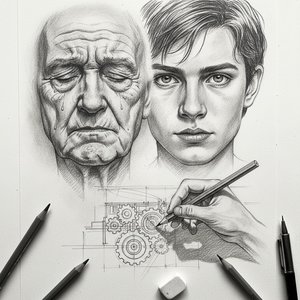
The Nuances of Graphite: Exploring Emotional Depth & Technical Mastery in Pencil Drawing
Explore the captivating world of graphite drawing! Discover its rich history, master essential techniques like chiaroscuro, and learn how artists evoke emotion through this timeless medium. Expert insights for art enthusiasts.

Baroque Classicism: The Grandeur of Order and Drama in 17th-Century Art History
Explore the profound elegance of Baroque Classicism. Discover how 17th-century masters synthesized dramatic emotion with classical order through the lens of the Counter-Reformation and the works of legends like Carlo Maratta and Andrea Sacchi.