
 Vista previa
 Compartir
 Compartir
 Ver detalles

 Descargar
 Ver similares
 Radiografía
 Presentación de diapositivas
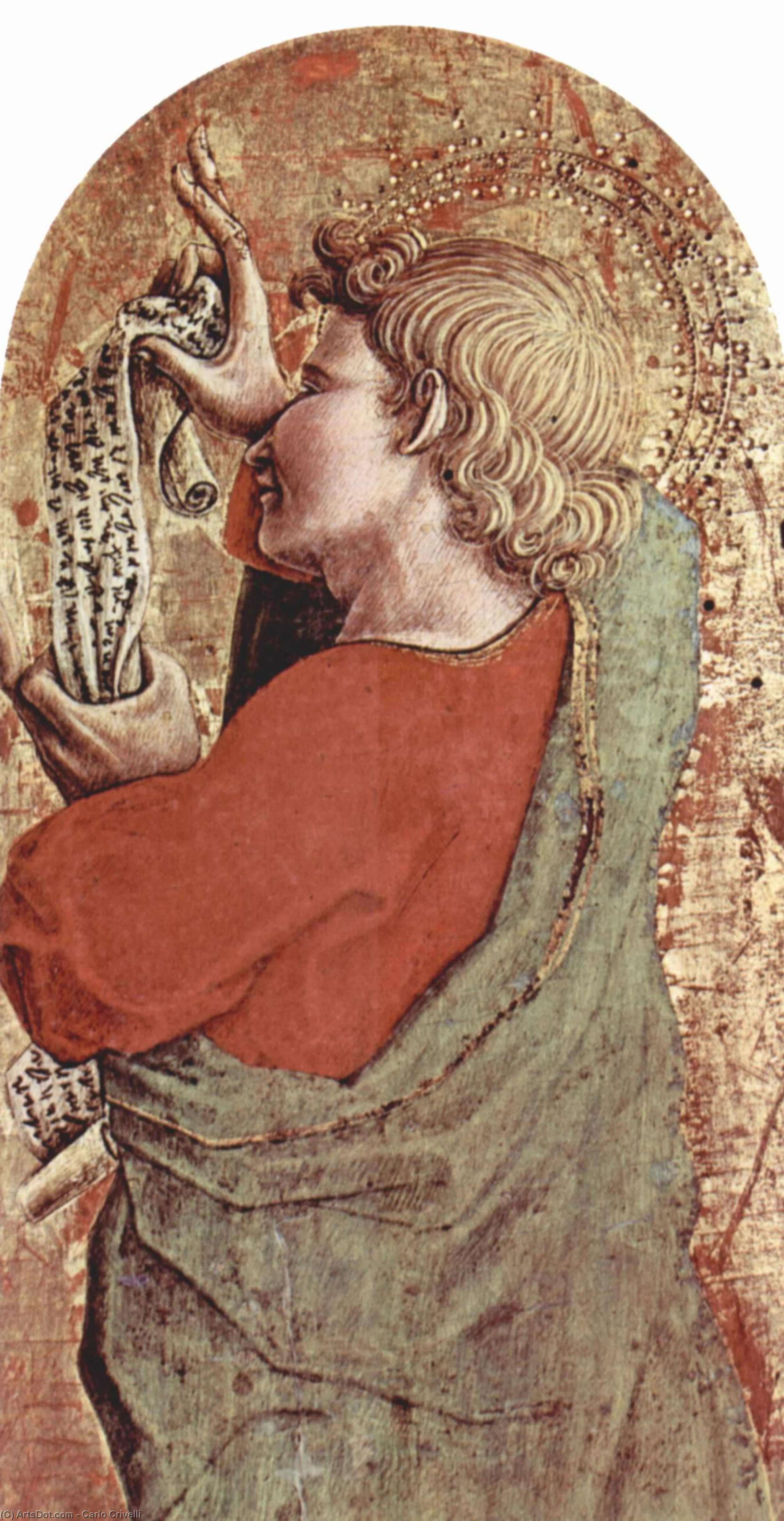
Saint James
 Oil On Panel
- Early Renaissance
 1473
1473- Renaissance
 29.0 x 17.0 cm
 Leer más
Adquiera una imagen digital de alta resolución y optimizada, muy superior a la vista previa en línea.
Cada archivo es preparado meticulosamente por nuestros especialistas internos mediante el uso de herramientas avanzadas y un experto retoque manual. Nos aseguramos de que cada imagen posea una claridad excepcional, una precisión cromática impecable y un detalle minucioso.
El archivo final se entrega por correo electrónico en un plazo de 72 horas, optimizado para su uso inmediato en entornos profesionales, editoriales y de impresión. Esta es la misma calidad en la que confían los estudios de diseño, las editoriales y las galerías de primer nivel.
Imagen Digital
Descarga un archivo de alta resolución para exhibición personal, impresión y proyectos creativos. ( Cambiar a impresión Cambiar a pintura hecha a mano)
Incluido en cada compra de imágenes digitales
Entrega digital experta, garantizada.
Al elegir OriginalUniqueArt.com, no solo está adquiriendo una imagen; está recibiendo una obra de arte digital mejorada profesionalmente, elaborada con precisión y respaldada por una garantía de satisfacción. Esto es todo lo que incluye su pedido, automáticamente:

Entrega rápida por email
Recibirá su archivo de imagen digital en alta resolución por correo electrónico en un plazo de 72 horas tras realizar su pedido, listo para su uso inmediato.

Archivo digital optimizado por IA
Su obra de arte se optimiza profesionalmente mediante herramientas avanzadas de IA y edición manual, garantizando el máximo detalle, claridad y precisión cromática.

Reenvío gratuito de por vida
¿Has borrado o perdido tu archivo por error? No te preocupes: te lo volveremos a enviar en cualquier momento, sin coste adicional.

Sin gastos de importación, siempre
Disfrute de su obra de arte al instante sin aduanas, aranceles ni gastos de envío; las descargas digitales siempre están libres de impuestos.

Garantía de precisión de color
Garantizamos que su imagen digital refleje los colores originales con la mayor fidelidad posible, mediante el uso de herramientas profesionales y gestión del color.

Garantía de satisfacción de 60 días
Si no está satisfecho con su imagen digital, la revisaremos o le reembolsaremos el 100% en un plazo de 60 días, sin preguntas.

100% Garantía de devolución de dinero
¿No está satisfecho? Obtenga un reembolso completo dentro de los 60 días posteriores a la recepción de su archivo digital, sin necesidad de explicaciones.

Descuentos por volumen
Compra 3 imágenes, ahorra 10% - Compra 5, ahorra 15% - Compra 10+, ahorra 20%. Ideal para proyectos creativos, galerías y agencias.
Descripción del coleccionable
A Divine Encounter in Oil
In the quiet, textured depths of Carlo Crivelli’s Saint James, painted in 1473, viewers are transported to the dawn of the Italian Renaissance. This intimate masterpiece, rendered on a delicate wood panel, captures a moment of profound spiritual connection. The composition centers on a noble male figure—often identified through his attributes as a saintly presence—who rests his hand with gentle authority upon the head of a winged lion. There is an immediate, palpable sense of reverence in the way the figure holds his book, a symbol of divine wisdom and sacred scripture, while the lion gazals outward, bridging the gap between the earthly and the celestial. The painting does not merely depict a scene; it invites the observer into a meditative state, where the weight of history and the lightness of grace coexist.
The artistry of Crivelli is nothing short of mesmerizing, characterized by a meticulous attention to detail that defines his unique Venetian-influenced style. As an expert in the nuances of the Early Renaissance, one cannot help but admire the way the artist utilizes impasto techniques to breathe life into the fabric of the saint's crimson robes. The red pigments are layered with such richness that they seem to catch the light even in shadow, creating a tactile sensation of heavy, luxurious drapery. Crivelli’s mastery of trompe l'oeil—the art of optical illusion—is evident in the way the organic shapes of the lion’s wings and the anatomical precision of the figure’s hands emerge from a mottled, earthy background. This textured backdrop, far from being a mere void, acts as a weathered tapestry of time, lending the work an ancient, venerable soul.
Symbolism and the Renaissance Spirit
Beyond its aesthetic splendor, Saint James serves as a profound vessel for religious and civic symbolism. The presence of the winged lion is particularly evocative; while it serves as a companion to the saint, it also carries the heavy weight of Venetian identity, representing strength, majesty, and the watchful eye of the Republic. The interplay between the human form and the beast suggests a harmony between man’s intellect—represented by the book—and the untamed power of nature and divinity. For the discerning collector or interior designer, this piece offers more than just decoration; it provides a focal point of intellectual depth. The subtle lighting, descending from above to cast soft shadows across the musculature of the figure, creates a three-dimensional presence that commands attention in any curated space.
Integrating a reproduction of such historical significance into a modern environment allows for a sophisticated dialogue between the past and the present. Whether placed in a sunlit study or a grand, classical hallway, the work’s muted, earthy tones and dramatic highlights provide a sense of permanence and prestige. It is an artwork that rewards prolonged contemplation, offering new layers of meaning with every glance at its fine lines and masterful brushwork. To possess such a piece is to hold a fragment of the 15th century, a testament to the enduring power of Crivelli’s vision and the timeless beauty of the Renaissance spirit.
Biografía del artista
Vida y Formación Temprana
Carlo Crivelli, pintor del Renacimiento italiano, nació en Venecia alrededor de 1430-35. Provenía de una familia de pintores y recibió su formación artística tanto en Venecia como en Padua. Se cree que su temprana formación estuvo bajo la tutela de Jacobello del Fiore, quien aún estaba activo en 1436. También estudió en la escuela de Vivarini en Venecia.
Estilo Artístico y Carrera
Crivelli pasó sus primeros años en el Véneto, absorbiendo influencias de Vivarini, Squarcione y Mantegna. En 1458, abandonó el Véneto y pasó la mayor parte de su carrera en las Marcas de Ancona, desarrollando un estilo personal distintivo que contrasta con el de su contemporáneo veneciano Giovanni Bellini. Su obra se caracteriza por una sensibilidad decorativa gótica tardía conservadora, marcada por una cualidad lineal, atención al detalle y el uso de técnicas de "trompe l'oeil".
Obras Destacadas y Colaboraciones
- La pintura de Carlo Crivelli "Madonna y Niño en el Trono" (106 x 55 cm, Museo de Bellas Artes, Budapest, Hungría) es un ejemplo primordial de su estilo.
- Colaboró con su hermano menor Vittorio Crivelli en varios proyectos.
- Pietro Alemanno, un pintor que emigró a las Marcas de Ancona desde Alemania/Austria, fue su alumno y colaborador.
Museos y Colecciones
- La Pinacoteca di Brera en Milán, Italia, exhibe varias obras de Crivelli, incluyendo la "Pietà" (128 x 241 cm).
- El Museo San Giovanni en Bragora en Venecia, Italia, tiene una colección de obras de arte de varios períodos y estilos, incluyendo algunas atribuidas a Crivelli.
Legado e Importancia Histórica
Ver las obras de Carlo Crivelli en OriginalUniqueArt.com
Explorar las obras de Jacopo Robusti en OriginalUniqueArt.com
Leer más sobre Carlo Crivelli en Wikipedia
El legado de Crivelli continúa inspirando a entusiastas del arte y académicos por igual, con su obra permaneciendo como un testimonio del poder perdurable de la sensibilidad decorativa gótica tardía conservadora. Su habilidad para combinar elementos góticos tradicionales con técnicas renacentistas lo convierte en una figura única e importante en la historia del arte italiano.

Carlo Crivelli
1435 - 1495 , Italia
Datos clave
- Artistas Que Influyeron:
- Jacobello del Fiore
- Vivarini
- Squarcione
- Mantegna
- Fecha De Muerte: 1495
- Fecha De Nacimiento: 1435
- Lugar De Nacimiento: Venecia, Italia
- Movimiento Artístico: Renacimiento tardío gótico
- Museos Y Colecciones:
- Pinacoteca di Brera
- San Giovanni in Bragora
- Nacionalidad: Italiana
- Nombre Completo: Carlo Crivelli
- Obras Notables:
- Virgen con el Niño en trono
- Pietà

