

 Ver en contexto
 Enviar
 Compartir
 Detalles

 Descargar
 Similares
 Radiografía
 Presentación de diapositivas
Pietà


 Ver más
Giclée / Impresión de arte
Impresiones giclée o en lienzo de calidad de museo con producción rápida y opciones de acabado flexibles. ( Comprar pintura hecha a mano Comprar imagen)




P118B $10

P118H $10

P118W $10

P438Z $10

P508JH $12

P508YH $12

P805H $10

P805Z $10

P919BZ $10

P919G $10

P919XJ $10

P959ZH $10

P968JZ $12

W106C $8

W218G $10

W218JH $8

W218Y $10

W307PJ $10

W316G $10

W316PJ $8

W316Y $10

W398PJ $8

W4111J $10

W500HY $15

W500JH $15

W692G $12

W849H $8

W940BG $15

W953PJ $8




Elija entre nuestros tamaños predefinidos que respetan las proporciones originales de la obra.

Puede introducir sus propias dimensiones para adaptarse a un marco o espacio específico. Si el tamaño seleccionado no coincide con las proporciones de la imagen original, recortaremos la obra de arte o extenderemos la imagen con un borde con efecto espejo o de color sólido. Se enviará una maqueta digital para su aprobación antes de que comience la producción.
Tenga en cuenta que la vista previa en pantalla no refleja el recorte o la extensión real. Solo la maqueta mostrará con precisión la composición final.
Aunque existen tamaños personalizados, recomendamos seleccionar una dimensión de la lista predefinida para preservar las proporciones originales.
Envío a todo el mundo () en 2 semanas en lugar de las 4/5 semanas estándar. (3 septiembre)

Envío exprés gratuito a todo el mundo

Lienzo de lino de alta calidad

Seguro de envío total

Garantía de reembolso de impuestos aduaneros

Garantía de fidelidad cromática exacta

Política de devolución de 60 días (solo por defectos)

Garantía de devolución del 100% del dinero

Descuento por cantidad
 La opción de vidrio solo está disponible en tamaños inferiores a 110 cm.

Pietà
Giclée / Impresión de arte
Dimensiones de la reproducción
-


Precio total final
$ 80
A Glimpse of Grief – Carlo Crivelli’s Pietà
Carlo Crivelli's Pietà, a masterpiece housed within the Pinacoteca Vaticana, isn’t merely a depiction of loss; it’s an immersion into profound sorrow and a testament to enduring maternal love. Completed around 1476, this tempera-on-wood panel transcends its religious subject matter to become a deeply human exploration of grief, capturing a moment suspended between earthly suffering and spiritual solace. Crivelli, a Venetian painter known for his late Gothic sensibilities and meticulous detail, masterfully blends the decorative flourishes of his region with a raw emotional intensity rarely seen in his contemporaries.
The scene unfolds within a dimly lit interior, likely a chapel or sanctuary, rendered with an almost dreamlike quality. At its heart lies Jesus Christ, lifeless yet radiating a quiet dignity. His body, draped in simple linen robes, is cradled by the Virgin Mary, her face etched with an anguish that mirrors his own. The composition isn’t one of idealized beauty; instead, it embraces the stark reality of death – the pallor of his skin, the slight distortion of his limbs, and the subtle details of wounds inflicted during his Passion. Crivelli deliberately avoids romanticizing suffering, presenting it with a poignant honesty that resonates deeply with the viewer.
The Language of Sorrow: Technique and Symbolism
Crivelli’s technique is characterized by a remarkable restraint and precision. He employs a meticulous layering of tempera paint, building up textures and details with painstaking care. The use of gold leaf, particularly in the background and highlighting certain elements like Mary's garments, adds a luminous quality to the scene, drawing attention to the central figures while simultaneously emphasizing their vulnerability. Noticeably, Crivelli departs from the prevalent trends of his time, eschewing vibrant colors for a more subdued palette dominated by deep reds, blues, and greens – hues traditionally associated with mourning and solemnity.
Symbolism permeates every aspect of the painting. The three figures surrounding Christ—John the Evangelist, Mary Magdalene, and an unnamed mourner—represent the universal human response to loss. John’s anguished expression mirrors Mary's grief, while Mary Magdalene’s posture conveys a sense of quiet contemplation. The architectural setting, with its arches and columns, evokes a sense of timelessness and spiritual significance. The inclusion of angels in the background, rendered in a more ethereal style, suggests the presence of divine comfort amidst earthly sorrow. Even the carefully chosen drapery—flowing and voluminous—contributes to the overall atmosphere of grief and mourning.
A Renaissance Master’s Vision: Context and Influence
Crivelli's Pietà emerged during a period of significant artistic innovation in Italy, marked by the rise of the Renaissance. While he retained elements of late Gothic style—particularly his preference for decorative detail and meticulous rendering—he also absorbed influences from contemporary artists like Giovanni Bellini and Mantegna. His work reflects a desire to bridge the gap between these diverse styles, creating a unique visual language that is both deeply rooted in tradition and forward-looking in its emotional intensity.
The painting’s provenance – originally part of an altarpiece intended for the high altar of San Domenico at Ascoli Piceno – reveals its original context within a religious setting. It's believed to have been commissioned as a central panel, serving as a focal point for contemplation and devotion. The fact that it survives today is a testament to its enduring power and artistic merit.
Beyond the Canvas: A Timeless Reflection
Carlo Crivelli’s Pietà remains a profoundly moving work of art, offering viewers an opportunity to connect with universal themes of loss, grief, and maternal love. Its masterful technique, evocative symbolism, and emotional depth continue to resonate centuries after its creation. Whether viewed as a religious icon or simply as a powerful depiction of human suffering, the Pietà stands as a testament to the enduring legacy of one of Renaissance Italy’s most gifted artists.
Biografía del artista
Vida y Formación Temprana
Carlo Crivelli, pintor del Renacimiento italiano, nació en Venecia alrededor de 1430-35. Provenía de una familia de pintores y recibió su formación artística tanto en Venecia como en Padua. Se cree que su temprana formación estuvo bajo la tutela de Jacobello del Fiore, quien aún estaba activo en 1436. También estudió en la escuela de Vivarini en Venecia.
Estilo Artístico y Carrera
Crivelli pasó sus primeros años en el Véneto, absorbiendo influencias de Vivarini, Squarcione y Mantegna. En 1458, abandonó el Véneto y pasó la mayor parte de su carrera en las Marcas de Ancona, desarrollando un estilo personal distintivo que contrasta con el de su contemporáneo veneciano Giovanni Bellini. Su obra se caracteriza por una sensibilidad decorativa gótica tardía conservadora, marcada por una cualidad lineal, atención al detalle y el uso de técnicas de "trompe l'oeil".
Obras Destacadas y Colaboraciones
- La pintura de Carlo Crivelli "Madonna y Niño en el Trono" (106 x 55 cm, Museo de Bellas Artes, Budapest, Hungría) es un ejemplo primordial de su estilo.
- Colaboró con su hermano menor Vittorio Crivelli en varios proyectos.
- Pietro Alemanno, un pintor que emigró a las Marcas de Ancona desde Alemania/Austria, fue su alumno y colaborador.
Museos y Colecciones
- La Pinacoteca di Brera en Milán, Italia, exhibe varias obras de Crivelli, incluyendo la "Pietà" (128 x 241 cm).
- El Museo San Giovanni en Bragora en Venecia, Italia, tiene una colección de obras de arte de varios períodos y estilos, incluyendo algunas atribuidas a Crivelli.
Legado e Importancia Histórica
Ver las obras de Carlo Crivelli en OriginalUniqueArt.com
Explorar las obras de Jacopo Robusti en OriginalUniqueArt.com
Leer más sobre Carlo Crivelli en Wikipedia
El legado de Crivelli continúa inspirando a entusiastas del arte y académicos por igual, con su obra permaneciendo como un testimonio del poder perdurable de la sensibilidad decorativa gótica tardía conservadora. Su habilidad para combinar elementos góticos tradicionales con técnicas renacentistas lo convierte en una figura única e importante en la historia del arte italiano.

Carlo Crivelli
1435 - 1495 , Italia
Datos clave
- Artistas Que Influyeron:
- Jacobello del Fiore
- Vivarini
- Squarcione
- Mantegna
- Fecha De Muerte: 1495
- Fecha De Nacimiento: 1435
- Lugar De Nacimiento: Venecia, Italia
- Movimiento Artístico: Renacimiento tardío gótico
- Museos Y Colecciones:
- Pinacoteca di Brera
- San Giovanni in Bragora
- Nacionalidad: Italiana
- Nombre Completo: Carlo Crivelli
- Obras Notables:
- Virgen con el Niño en trono
- Pietà
Artículos relacionados
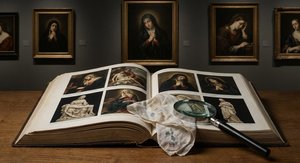
The Visceral Language of Loss: Exploring Grief's Depiction in Art History
Explore the profound history of grief in art with OriginalUniqueArt. Discover Renaissance & Baroque masterpieces depicting loss, mourning, and faith. Expert insights & handmade reproductions available.

Echoes of Loss: Exploring Representations of Grief Across Art History
Explore the profound history of grief in art, from Renaissance masterpieces to Baroque drama. Discover how artists captured loss, mourning & faith through powerful imagery. Expert insights at OriginalUniqueArt.
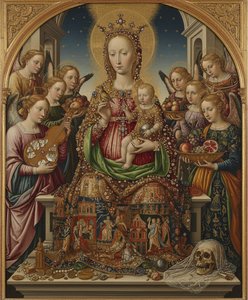
Carlo Crivelli: Mysticism & Materiality in Renaissance Venice
Explore the captivating world of Carlo Crivelli, a Renaissance master blending Gothic detail with profound symbolism. Discover his unique style & lasting influence on Venetian art history.
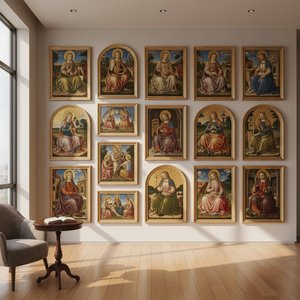
Fra Angelico: Las 25 Obras Maestras del Renacimiento para Decorar con Arte y Fe
Descubre las 25 obras maestras de Fra Angelico, el pintor renacentista que llenó el arte sacro de luz y fe. Explora su técnica, simbolismo y belleza en frescos e iconos. Encuentra reproducciones de alta calidad para decorar tu hogar con OriginalUniqueArt.com.

Echoes of Absence: Loss & Grief in Visual Art Through the Ages
Explore the profound history of grief in art, from Renaissance masterpieces to contemporary expressions. Discover how artists have captured loss, mourning, and mortality through powerful imagery & symbolism. OriginalUniqueArt offers expert insights.



