

 Vista previa
 Compartir
 Compartir
 Ver detalles
 Guía
Guía

 Descargar
 Ver artículos similares
 Radiografía
 Presentación de diapositivas
 Estadísticas
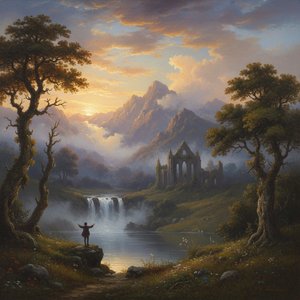
The Angler
 Oil On Canvas
- WallArt
- Romanticism
 25.0 x 18.0 cm
 Galería de Pinturas Antiguas
 Leer más
Reproducción al óleo hecha a mano
Óleo sobre lienzo pintado a mano en el tamaño y marco de su elección, realizado por encargo por nuestros artistas. ( Cambiar a formato impreso Ver versión en imagen digital)




P118B €10

P118H €10

P118W €10

P438Z €10

P508JH €12

P508YH €12

P805H €10

P805Z €10

P919BZ €10

P919G €10

P919XJ €10

P959ZH €10

P968JZ €12

W106C €8

W218G €10

W218JH €8

W218Y €10

W307PJ €10

W316G €10

W316PJ €8

W316Y €10

W398PJ €8

W4111J €10

W500HY €15

W500JH €15

W692G €12

W849H €8

W940BG €15

W953PJ €8




Elija entre nuestros tamaños predefinidos que respetan las proporciones originales de la obra.

Escriba el ancho y el alto que necesite para adaptarse a su marco o a su pared. Al ser una obra pintada a mano, para un tamaño con una forma distinta, el artista puede pintar un poco más alrededor de la imagen o recortar un poco; usted elige. Le enviaremos una maqueta digital para su aprobación antes de comenzar la pintura. La imagen que se muestra en esta página no refleja el resultado real; solo la maqueta lo hace.
Tras realizar el pedido, el equipo de OriginalUniqueArt.com enviará un correo electrónico al cliente para solicitar instrucciones y proporcionarle una vista previa del boceto.
Envío a todo el mundo () en 3-4 semanas en lugar de las 5 semanas estándar. (25 octubre). Sin comprometer la calidad.

Envío exprés gratuito a todo el mundo

Lienzo de lino de alta calidad

Seguro de envío completo

Garantía de reembolso de impuestos aduaneros

Garantía de fidelidad cromática exacta

Política de devolución de 100 días (solo por defectos)

Garantía de devolución del 100% del dinero

Oferta por volumen
 La opción de vidrio solo está disponible en tamaños inferiores a 110 cm.

The Angler
Técnica de reproducción
Tamaño de la reproducción
-


Precio total
€ 307
A Moment of Reflection Amidst Bavarian Serenity: Exploring Carl Spitzweg’s “The Angler”
Carl Spitzweg's "The Angler," painted sometime around 1860, embodies the quintessential spirit of Biedermeier art – a genre celebrated for its understated elegance and poignant portrayal of everyday life. More than just a picturesque landscape, this artwork speaks volumes about Romantic ideals of contemplation and communion with nature, offering viewers a glimpse into a tranquil Bavarian scene steeped in symbolic resonance.- Subject Matter & Composition: The painting depicts a secluded grotto nestled amongst towering cliffs and lush foliage. At its heart is a solitary figure – likely a monk or scholar – diligently engaged in writing or studying, accompanied by several others resting peacefully on rocks. This deliberate arrangement underscores the theme of solitude as a catalyst for intellectual pursuit and spiritual introspection.
- Style & Influences: Spitzweg’s approach aligns seamlessly with Romantic artistic sensibilities. Rejecting grand narratives and theatrical displays favored by earlier movements, he prioritizes capturing fleeting moments of beauty and emotion with remarkable sensitivity. His style draws heavily from Flemish masters like Jan Vermeulen and Gerard Terwesten, absorbing their mastery of atmospheric perspective and meticulous attention to detail – techniques crucial for conveying the profound stillness of the landscape.
Technique & Material Considerations
Executed in oil on canvas, “The Angler” exemplifies Spitzweg’s dedication to capturing subtle nuances of light and texture. The artist employs layering and blending skillfully, creating a luminous effect that imbues the scene with an ethereal quality. Loose brushstrokes contribute to the impressionistic style, prioritizing expressive marks over precise representation. Notably, Spitzweg utilizes atmospheric perspective—a technique perfected during this period—to convincingly depict distance, diminishing color intensity and reducing detail in the background elements. This masterful manipulation of visual cues powerfully reinforces the sense of depth and contributes significantly to the artwork’s overall mood.- Color Palette & Texture: The painting's palette leans towards earthy tones – browns, greens, and ochres – punctuated by cool blues and greens dominating the shadowed recesses of the grotto. Spitzweg meticulously builds up texture through varied brushstrokes, simulating the roughness of stone surfaces and the dense foliage of the surrounding trees. These textural choices are not merely decorative; they actively engage the viewer’s senses, transporting them into the depicted environment.
- Symbolism & Emotional Impact: Beyond its aesthetic beauty, “The Angler” carries profound symbolic weight. The solitary figure represents the pursuit of knowledge and spiritual enlightenment amidst the grandeur of nature—a core preoccupation of Romantic artists. The tranquil setting evokes feelings of serenity, peace, and contemplation, inviting viewers to pause and appreciate the restorative power of solitude. Spitzweg’s ability to distill complex ideas into a deceptively simple visual form elevates this artwork beyond mere landscape painting; it becomes an emblem of humanist values and artistic idealism.
A Legacy of Quiet Beauty
“The Angler” stands as a testament to Carl Spitzweg’s enduring contribution to German Romantic art. Its understated elegance, combined with its masterful execution and evocative symbolism, continues to resonate with audiences today. Reproductions crafted by OriginalUniqueArt offer an exceptional opportunity to experience the captivating charm of this iconic piece—a timeless reminder that beauty can be found in the simplest of observations and that true artistic achievement lies in capturing the essence of human emotion within a meticulously rendered landscape.Preguntas y respuestas
¿Cómo se relaciona el tema de "The Angler" con los temas habituales de Carl Spitzweg?
Entre los temas recurrentes de Carl Spitzweg —romantic ideals, nature's embrace, biedermeier domesticity, german life, solitude, introspection, quietude, spitzweg's serene landscapes"— "The Angler" aporta su propio enfoque sobre romantic landscape, solitude & contemplation, grotto scene, nature retreat, 19th century germany, atmospheric perspective, quiet reflection.
¿Cuáles son los derechos de reproducción de "The Angler" en Galería de Pinturas Antiguas?
"The Angler" de Carl Spitzweg, conservada en Galería de Pinturas Antiguas, es en el dominio público: sus derechos de autor han expirado. Este estado determina si se pueden realizar reproducciones de la imagen.
¿Qué tono emocional acompaña al estilo Romanticism de "The Angler"?
"The Angler" transmite un tono emocional Mysterious dentro del movimiento Romanticism.
Biografía del artista
Vida y Primeros Años
Carl Spitzweg, cuyo nombre completo era Carl Christian Graf von Spitzwegen-Plankenstern, nació el 5 de septiembre de 1808 en Aschaffenburg, Baviera. Provenía de una familia noble con tradición militar, aunque él nunca siguió ese camino. Su padre, Carl Josef Graf von Spitzwegen-Plankenstern, fue un oficial al servicio del rey bávaro. La infancia de Spitzweg transcurrió entre Aschaffenburg y la finca familiar en Plankenstern, donde recibió una educación privada centrada en humanidades y lenguas clásicas. Desde temprana edad mostró interés por el dibujo y la pintura, aunque su formación artística inicial fue limitada.
- Origen: Familia noble bávara con tradición militar.
- Educación: Privada, centrada en humanidades y lenguas clásicas.
- Primeros Intereses: Dibujo y pintura desde temprana edad.
Desarrollo Artístico y Estilo Biedermeier
A pesar de no recibir una formación artística formal, Spitzweg desarrolló su propio estilo distintivo influenciado por el movimiento biedermeier. El biedermeier fue un período cultural en la europa central que se caracterizó por su enfoque en la vida cotidiana, la burguesía y los valores familiares. Spitzweg capturó la esencia del espíritu biedermeier a través de sus pinturas que representaban escenas de la vida diaria, retratos de burgueses y paisajes idílicos.
- Influencia: Movimiento cultural biedermeier.
- Características del Estilo: Enfoque en la vida cotidiana, la burguesía y los valores familiares.
- Temas Recurrentes: Escenas de la vida diaria, retratos de burgueses y paisajes idílicos.
Obras Destacadas y Reconocimiento
A lo largo de su carrera, Spitzweg produjo numerosas obras que le valieron reconocimiento tanto en Baviera como en el resto de Europa. Algunas de sus pinturas más destacadas incluyen "El lector" (1836), "La joven con guitarra" (1839) y "El paseo dominical" (1842). Estas obras se caracterizan por su realismo, su atención al detalle y su capacidad para transmitir la atmósfera del espíritu biedermeier. Spitzweg expuso sus pinturas en varias exposiciones importantes, incluyendo la Exposición Nacional de Múnich en 1836.
- Obras Destacadas: "El lector" (1836), "La joven con guitarra" (1839) y "El paseo dominical" (1842).
- Características de las Obras: Realismo, atención al detalle y capacidad para transmitir la atmósfera del espíritu biedermeier.
- Exposiciones: Participación en varias exposiciones importantes, incluyendo la Exposición Nacional de Múnich en 1836.
Influencias y Legado
Carl Spitzweg fue influenciado por varios artistas y movimientos artísticos del siglo XIX. Su estilo se vio afectado por el realismo, que buscaba representar la realidad de manera objetiva, y por el romanticismo, que enfatizaba la emoción y la imaginación. A pesar de no recibir una formación artística formal, Spitzweg desarrolló un estilo distintivo que le valió reconocimiento como uno de los principales representantes del espíritu biedermeier. Su legado perdura hasta nuestros días a través de sus pinturas que capturan la esencia de la vida cotidiana en el siglo XIX.
- Influencias: Realismo y romanticismo.
- Legado: Reconocimiento como uno de los principales representantes del espíritu biedermeier.
- Importancia: Sus pinturas capturan la esencia de la vida cotidiana en el siglo XIX.
Últimos Años y Fallecimiento
Carl Spitzweg pasó sus últimos años en relativa soledad, dedicándose a la pintura y al estudio. Murió el 10 de enero de 1886 en Múnich, Baviera, a la edad de 77 años. Su muerte marcó el fin de una era en la historia del arte alemán. A pesar de su fallecimiento, su legado perdura hasta nuestros días a través de sus pinturas que capturan la esencia de la vida cotidiana en el siglo XIX.
- Últimos Años: Dedicación a la pintura y al estudio.
- Fallecimiento: 10 de enero de 1886 en Múnich, Baviera.
- Legado: Su legado perdura hasta nuestros días a través de sus pinturas.

Carl Spitzweg
1808 - 1885 , Alemania
Datos clave
- Artistic Movement Or Style: Biedermeierismo
- Date Of Birth: 1808
- Full Name: Carl Spitzweg
- Nationality: Alemana
- Notable Artworks (List Of Titles):
- El pobre poeta
- Una visita
- Caminata con el instituto
- Place Of Birth (City And Country): München, Alemania
Artículos relacionados
Evoking Emotion & Transcendence: Romantic Landscape Painting (18th-19th Century)
Explore the emotional depth of Romantic landscape painting (18th-19th century). Discover key artists like Friedrich & Cole, and the concepts of the sublime. Expert insights for art lovers & collectors.

Paisajes Románticos: 10 Obras Maestras que Definieron un Movimiento Artístico
Descubre los 10 paisajes románticos más influyentes de artistas como Caspar David Friedrich y Turner. Explora la belleza, el simbolismo y las técnicas del movimiento romántico. Reproducciones de arte exclusivas en OriginalUniqueArt.com.

El Sublime y lo Pintoresco: Explorando la Emoción y la Naturaleza en la Pintura Romántica de Paisaje
Explora la profunda conexión entre el arte romántico y la naturaleza. Descubre a Caspar David Friedrich, John Constable y otros maestros del sublime y lo pintoresco. Análisis experto e historia del movimiento.

Evocations of Place: A Historical Journey Through Landscape Art
Explore the rich history of landscape art with OriginalUniqueArt. Discover renowned artists, movements like Impressionism & Romanticism, and expert guidance for collecting timeless pieces. Find your perfect serene escape today!

Evoking Nature's Sublime: A Comprehensive Exploration of 19th-Century Landscape Painting
Explore the captivating world of 19th-century landscape painting! Discover renowned artists like Friedrich & Monet, key movements, and find the perfect artwork to bring nature's serenity into your home. Expert insights at OriginalUniqueArt.


