Ver en contexto
 Enviar
 Compartir
 Detalles
 Guía
Guía

 Descargar
 Similares
 Radiografía
 Presentación de diapositivas
 Preguntas y respuestas
 Estadísticas
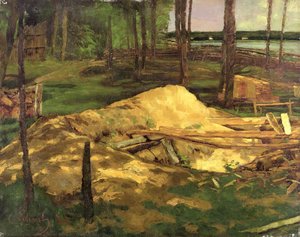
German Waldsee

- 55.0 x 66.0 cm


 Ver más
Giclée / Impresión de arte
Impresiones giclée o en lienzo de calidad de museo con producción rápida y opciones de acabado flexibles. ( Comprar pintura hecha a mano Cambiar a imagen digital)




P118B €10

P118H €10

P118W €10

P438Z €10

P508JH €12

P508YH €12

P805H €10

P805Z €10

P919BZ €10

P919G €10

P919XJ €10

P959ZH €10

P968JZ €12

W106C €8

W218G €10

W218JH €8

W218Y €10

W307PJ €10

W316G €10

W316PJ €8

W316Y €10

W398PJ €8

W4111J €10

W500HY €15

W500JH €15

W692G €12

W849H €8

W940BG €15

W953PJ €8




Elija entre nuestros tamaños predefinidos que respetan las proporciones originales de la obra.

Introduzca el ancho y el alto que necesite para adaptarse a su marco o pared. Una impresión solo puede recortarse, nunca hacerse más grande que la imagen original, por lo que un tamaño con una forma distinta perderá parte de la obra. Le enviaremos una maqueta digital para su aprobación antes de realizar cualquier impresión. La imagen que se muestra en esta página no refleja el recorte real; solo la maqueta lo hace.
Envío a todo el mundo () en 2 semanas en lugar de las 4/5 semanas estándar. (7 noviembre)

Envío exprés gratuito a todo el mundo

Lienzo de lino de alta calidad

Seguro de envío total

Garantía de reembolso de aranceles aduaneros

Garantía de fidelidad cromática exacta

Política de devolución de 100 días (solo por defectos)

Garantía de devolución del 100% del dinero

Descuento por cantidad
 La opción de vidrio solo está disponible en tamaños inferiores a 110 cm.

German Waldsee
Giclée / Impresión de arte
Dimensiones de la reproducción
-


Precio total final
€ 72
A Sanctuary of Light and Shadow
In the quietude of 1872, Carl Eduard Schuch captured a moment of profound stillness in his masterpiece, German Waldsee. This evocative landscape invites the viewer into a secluded woodland sanctuary, where the boundaries between the earth and the sky seem to dissolve in a gentle, sun-drenched haze. The composition is anchored by a lush canopy of trees, their leaves rendered with such vitality that one can almost feel the warmth of a summer afternoon filtering through the branches. Within this verdant enclosure, the scene breathes with life; birds dance through the air, some skimming the forest floor while others drift lazily in the upper reaches of the atmosphere, creating a sense of rhythmic movement against the stationary majesty of the ancient trees.
At the heart of this natural cathedral stands a solitary figure, a quiet observer whose presence imbues the landscape with a sense of human connection and contemplative depth. This person does not dominate the scene but rather serves as a focal point for our own introspection, mirroring the way we might stand before such beauty—humbled and mesmerized. The interplay between the human element and the untamed forest suggests a harmonious coexistence, a theme that resonates deeply with those seeking peace in an increasingly chaotic world.
The Mastery of Austrian Impressionism
Schuch, a virtuoso of the late nineteenth-century Viennese school, brings a sophisticated technical prowess to this work. Having refined his skills under the tutelage of Ludwig Halauska, Schuch demonstrates an exceptional command over light and atmosphere. The technique employed in German Waldsee transcends mere representation; it is an exercise in capturing the "luminous transition." Through delicate brushwork and a nuanced palette of forest greens, golden ambers, and soft cerulean, he achieves a painterly texture that gives the foliage a palpable weight and the sunlight a shimmering, ethereal quality.
For the discerning collector or interior designer, this piece offers more than just visual beauty; it provides an emotional anchor. The painting’s ability to evoke serenity makes it an ideal centerpiece for spaces dedicated to relaxation and thought, such as a library, a study, or a master suite. As a high-quality reproduction, the depth of color and the intricate details of the avian life and forest textures are preserved, allowing the soul of Schuch's 1872 vision to breathe new life into contemporary interiors. To possess this work is to invite the timeless, tranquil essence of the German woods into one's own private sanctuary.
Preguntas y respuestas
¿A qué periodo pertenece "German Waldsee" de Carl Eduard Schuch?
"German Waldsee" de Carl Eduard Schuch data del periodo 19th Century. Este periodo aporta el contexto histórico de la obra.
¿Dónde debería colgarse una reproducción de "German Waldsee" de Carl Eduard Schuch?
Con su formato Landscape, se sugiere una reproducción de "German Waldsee" para un Wellness Center.
¿Qué tamaño se recomienda para "German Waldsee" en un Wellness Center?
La combinación recomendada para "German Waldsee" de Carl Eduard Schuch: una impresión de Medium en un/a Wellness Center.
Biografía del artista
La Transición Luminosa: El Viaje Artístico de Carl Eduard Schuch
Carl Eduard Schuch, un pintor austriaco cuya vida abarcó el vibrante y tumultuoso siglo XIX, sigue siendo una figura fascinante en la encrucijada de los movimientos artísticos. Nacido en Viena en 1846, su espíritu creativo encontró, sin embargo, su terreno más fértil lejos de su lugar de nacimiento. Sus viajes lo llevaron por los crisoles culturales de Alemania, Italia y Francia, geografías que moldearon profundamente la paleta y la filosofía de su arte. El enfoque principal de Schuch se asentó en la tranquila dignidad de los bodegones y el aliento expansivo de los paisajes. Al principio de su formación formal, entre 1865 y 1867, estudió pintura de paisaje bajo el estimado académico Ludwig Halauska, un aprendizaje que sentó una comprensión fundamental de la composición y la luz.
Sin embargo, incluso en estos primeros estudios, Schuch albergaba una curiosidad intelectual única. Describió una vez sus intentos iniciales por estudiar cabezas como si fueran bodegones: un deseo de capturar el tono con minuciosos tonos, despojando el efímero velo de la emoción manifiesta. Este mismo enfoque —la observación meticulosa subyacente a sujetos aparentemente simples— se convertiría en una marca distintiva de su estilo maduro.
Ecos de Maestros: Influencias y Desarrollo
El desarrollo artístico de Schuch estuvo marcado por una intensa absorción de los grandes maestros de la historia, particularmente durante su tiempo en París entre 1882 y 1894. Fue allí donde el espíritu revolucionario del Impresionismo comenzó a resonar profundamente en él. Se sintió profundamente impresionado por Claude Monet, a quien admiró lo suficiente como para compararlo favorablemente con Rembrandt en el ámbito de la pintura al aire libre. Sin embargo, su mirada a menudo se desviaba hacia el tiempo, encontrando una afinidad más profunda con el profundo claroscuro y la profundidad psicológica inherentes a la obra del propio Rembrandt, junto con el realismo terrenal defendido por los artistas de la Escuela de Barbizon.
Su dedicación al color fue quizás más evidente durante los veranos pasados en los Países Bajos. En 1884 y 1885, se sumergió en el legado de los Maestros Antiguos holandeses, llenando meticulosamente sus cuadernos con detalladas observaciones cromáticas extraídas de lienzos admirados. Este profundo estudio del pigmento y la luz lo conectó estrechamente con el círculo que rodeaba a Wilhelm Leibl, un grupo al que Schuch demostró estar más devotamente sintonizado en cuanto al poder puro del color.
Una Vida Compartida: Amistad y Asociación Artística
Entre las muchas relaciones que colorearon su vida, quizás ninguna fue tan formativa o dramática como su vínculo con el artista Karl Hagemeister. Los dos hombres se conocieron en Baviera e iniciaron un viaje compartido por Europa Central, asentándose finalmente durante tres años en el pequeño pueblo de Ferch, al sur de Berlín. En este entorno íntimo, compartieron no solo una modesta vivienda sino toda una existencia artística. Mientras el robusto Hagemeister cuidaba del más sensible Schuch a través de actos de cuidado diario —cocinar, cazar y pescar—, su conexión se profundizó hasta convertirse en algo especulado por los biógrafos como mucho más que una mera amistad.
Este idílico período finalmente se fracturó cuando Schuch regresó a París. El encuentro final entre ellos estuvo cargado de tensión, culminando en un desacuerdo sobre el mérito de la obra recién terminada de Hagemeister, "Teller mit Austern". Esta desavenencia condujo a una separación dramática: Hagemeister supuestamente arrojó seis de sus propias obras al Sena, marcando un final abrupto y doloroso de su capítulo compartido.
Uniendo Eras: La Significación Histórica de Schuch
La obra de Carl Eduard Schuch no es meramente una colección de hermosos cuadros; representa un momento crucial en la historia del arte. Su trabajo se erige como un puente tangible, trazando el paso desde las convenciones establecidas del realismo académico hacia las florecientes libertades de la expresión artística moderna en Viena y más allá. Absorbió la observación estructurada de los Maestros Antiguos mientras abrazaba la inmediatez del movimiento al aire libre. Ya sea capturando la tranquila dignidad de un bodegón o la luz cambiante sobre un paisaje, el toque de Schuch habla de un artista profundamente comprometido tanto con la tradición como con el cambio inevitable.
Su legado nos invita a ver el arte no como un destino, sino como una conversación continua entre lo que ha sido y lo que está por venir.

Carl Eduard Schuch
1846 - 1903 , Austria
Datos clave
- Artistic Movement Or Style: Realismo a Modernismo
- Artists Who Influenced This Artist:
- Claude Monet
- Rembrandt
- Date Of Birth: 1846
- Date Of Death: 1903
- Full Name: Carl Eduard Schuch
- Nationality: Austriaco
- Place Of Birth: Viena, Austria
Artículos relacionados

Nature’s Sanctuary: Curating Enchanting Forest Artworks to Transform Your Home into a Serene Woodland Retreat
Transform your home into a serene woodland retreat with enchanting forest artworks. Discover museum-quality oil reproductions and custom landscape commissions designed to bring the peaceful beauty of nature indoors.
10 Obras de Arte que Irradian Serenidad |
Descubre 10 obras de arte que evocan serenidad y paz interior. Explora la historia detrás de Monet, Van Gogh y otros maestros. Encuentra reproducciones de alta calidad para crear un ambiente tranquilo en tu hogar. ¡Explora la colección completa en !

Cultivating Inner Peace: Serenity as Subject & Aesthetic in Visual Art
Explore the art of serenity with OriginalUniqueArt. Discover historical & contemporary artworks evoking peace & tranquility. Find paintings for relaxation, meditation, and a calming home aesthetic. Expert guidance included.
Las 10 Obras de Arte Más Tranquilizadoras para un Hogar Sereno |
Descubre las 10 obras de arte más tranquilas de Monet, Van Gogh y Turner. Explora su historia, técnica y el poder del color para crear serenidad en tu hogar. Reproducciones de museo en .

Las 25 mejores obras de Pierre-Auguste Renoir: El alma del Impresionismo
Explora las 25 mejores obras de Renoir y la luz del impresionismo. ¡Descubre estas obras maestras en OriginalUniqueArt.com!