Ver en contexto
 Enviar
 Compartir
 Detalles
 Guía
Guía

 Descargar
 Similares
 Radiografía
 Presentación de diapositivas
 Q&A
Q&A Estadísticas
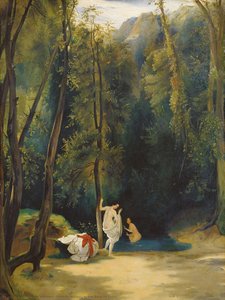
View of Assisi

- 97.0 x 147.0 cm


 Ver más
Giclée / Impresión de arte
Impresiones giclée o en lienzo de calidad de museo con producción rápida y opciones de acabado flexibles. ( Comprar pintura hecha a mano Cambiar a imagen digital)




P118B €10

P118H €10

P118W €10

P438Z €10

P508JH €12

P508YH €12

P805H €10

P805Z €10

P919BZ €10

P919G €10

P919XJ €10

P959ZH €10

P968JZ €12

W106C €8

W218G €10

W218JH €8

W218Y €10

W307PJ €10

W316G €10

W316PJ €8

W316Y €10

W398PJ €8

W4111J €10

W500HY €15

W500JH €15

W692G €12

W849H €8

W940BG €15

W953PJ €8




Elija entre nuestros tamaños predefinidos que respetan las proporciones originales de la obra.

Introduzca el ancho y el alto que necesite para adaptarse a su marco o pared. Una impresión solo puede recortarse, nunca hacerse más grande que la imagen original, por lo que un tamaño con una forma distinta perderá parte de la obra. Le enviaremos una maqueta digital para su aprobación antes de realizar cualquier impresión. La imagen que se muestra en esta página no refleja el recorte real; solo la maqueta lo hace.
Envío a todo el mundo () en 2 semanas en lugar de las 4/5 semanas estándar. (2 noviembre)

Envío exprés gratuito a todo el mundo

Lienzo de lino de alta calidad

Seguro de envío total

Garantía de reembolso de aranceles aduaneros

Garantía de fidelidad cromática exacta

Política de devolución de 100 días (solo por defectos)

Garantía de devolución del 100% del dinero

Descuento por cantidad
 La opción de vidrio solo está disponible en tamaños inferiores a 110 cm.

View of Assisi
Giclée / Impresión de arte
Dimensiones de la reproducción
-


Precio total final
€ 71
A Vision of Faith Amidst Industrial Change: Exploring Carl Blechen’s “View of Assisi”
Carl Blechen's "View of Assisi," completed around 1832–1835, stands as a remarkable testament to Romantic artistic sensibilities grappling with the burgeoning influence of industrialization. More than just a picturesque landscape, it embodies a profound meditation on spirituality and its relationship to the rapidly transforming world of the early Victorian era—a dichotomy that defines Blechen’s distinctive oeuvre. The painting resides within the Bavarian State Painting Collections at Neue Pinakothek in Munich, Germany, cementing its place as an iconic example of Romantic art.The Landscape as Spiritual Reflection
Blechen eschewed the idealized pastoral landscapes favored by many of his contemporaries, opting instead for a deliberately muted palette dominated by earthy tones—ochres, browns, and greys—that evoke the rugged terrain surrounding Assisi. This choice wasn’t merely aesthetic; it served to underscore Blechen's belief that true beauty resided not in fleeting sensory impressions but in deeper connections with nature and its inherent moral order. The artist meticulously rendered the basilica of San Francesco and its immediate surroundings, capturing the essence of a pilgrimage site revered for its association with Saint Francis—a figure synonymous with humility, compassion, and devotion to God.Technique and Impressionistic Brushstrokes
Blechen’s masterful execution is characterized by loose, expressive brushstrokes that convey movement and atmosphere—a hallmark of Impressionism predating its formal emergence. Unlike the smooth surfaces typical of academic painting, Blechen employed a technique that prioritized capturing fleeting moments of light and color, prioritizing feeling over precise representation. The artist skillfully utilized chiaroscuro – dramatic contrasts between light and shadow – to sculpt the forms of the basilica and surrounding hillsides, enhancing their visual impact and conveying a sense of solemn grandeur. This innovative approach reflects Blechen’s desire to portray not just what he saw but how he *felt* when confronted with the sublime beauty of Assisi.Symbolism: Faith Confronting Progress
The painting's symbolism speaks powerfully to the anxieties of its time. The serene depiction of Saint Francis’s basilica juxtaposed against the backdrop of industrializing Bavaria represents a crucial tension between traditional religious values and the accelerating pace of technological advancement. Blechen subtly suggests that despite the encroachment of industry, faith—embodied in the enduring presence of the basilica—continues to hold sway, offering solace and inspiration amidst societal upheaval. The diffused light filtering through the clouds above Assisi symbolizes divine grace illuminating the earthly realm, reinforcing the painting’s overarching message of spiritual resilience.A Lasting Legacy: Influence Beyond Its Time
“View of Assisi” remains a captivating artwork due to its ability to transcend its historical context and resonate with viewers today. Blechen's pioneering use of Impressionistic brushstrokes paved the way for subsequent artistic movements, establishing him as a pivotal figure in Romantic art history. Furthermore, the painting’s evocative depiction of faith confronting progress continues to inspire contemplation on themes of spirituality, beauty, and the human condition—a timeless exploration that secures its place among the treasures of European art.- Artist: Carl Blechen
- Date: Circa 1832–1835
- Medium: Oil on Canvas
- Location: Neue Pinakothek, Munich
- Blick auf Assisi | Pocket Guide | Alte Pinakothek Unframed
- Carl Blechen
- View of Assisi by BLECHEN, Karl
- File:View of Assisi by Carl Blechen (4280101317).jpg
Preguntas y respuestas
¿Qué tan intensos son los colores en "View of Assisi" de Carl Blechen?
La intensidad cromática de "View of Assisi" es Balanced. La intensidad describe la fuerza con la que se perciben los colores.
¿Qué nivel de saturación e intensidad presenta "View of Assisi" de Carl Blechen?
Los colores de "View of Assisi" de Carl Blechen presentan una saturación Subtle Color con una intensidad Balanced.
¿Qué orientación tiene "View of Assisi" de Carl Blechen?
El formato de "View of Assisi" es Landscape, un dato útil para planificar la ubicación de una reproducción.
Biografía del artista
Un Pionero de la Industrialización Romántica: La Vida y el Arte de Carl Blechen
Carl Eduard Ferdinand Blechen, nacido en Cottbus, Alemania, en 1798, ocupa una posición singular y a menudo pasada por alto dentro de la tradición paisajística. Su vida estuvo marcada tanto por el brillo artístico como por las turbulencias personales, una dualidad que moldeó profundamente su obra evocadora e innovadora. Inicialmente destinado a una carrera pragmática en la banca debido a limitaciones financieras familiares, las inclinaciones artísticas inherentes de Blechen finalmente prevalecieron. Se dedicó a estudiar en la Academia de Artes de Berlín en 1822, embarcándose en un camino que lo convertiría en uno de los primeros artistas en abordar los desafíos estéticos –y las posibilidades– presentados por la temprana industrialización.
Los años formativos de Blechen estuvieron impregnados de los ideales románticos que recorrían Europa. Sin embargo, a diferencia de muchos de sus contemporáneos que se centraron únicamente en la belleza natural idealizada o la grandeza histórica, la mirada de Blechen se dirigió hacia un mundo cambiante. Un viaje crucial a Italia en 1828-1829 resultó transformador. Sumergido en la luz y la atmósfera del campo italiano, perfeccionó sus habilidades en el bocetaje al aire libre, capturando momentos fugaces y efectos dramáticos con una sensibilidad notable. Estos bocetos no eran meros estudios preparatorios; estaban imbuidos de una energía vibrante que caracterizaría su estilo maduro. Regresó a Berlín no solo como un pintor técnicamente competente sino como un artista con una visión distinta –una que buscaba reconciliar la sublime belleza de la naturaleza con las realidades invasoras de la modernidad.
Navegando entre Tradición y Transformación
La producción artística de Blechen se caracteriza por una tensión convincente entre sensibilidad romántica y un incipiente realismo. No rehuyó representar el floreciente paisaje industrial, pero tampoco lo celebró acríticamente. Obras como Bau der Teufelsbrücke (Construcción del Puente del Diablo), pintada entre 1830 y 1832, ejemplifican este enfoque. La pintura no glorifica la hazaña de ingeniería; en cambio, presenta una escena de arduo trabajo ambientada sobre un telón de fondo dramático, insinuando tanto la ambición humana como el potencial de interrupción del orden natural. Esta voluntad de confrontar las complejidades de su tiempo lo distingue de muchos de sus contemporáneos.
Sus paisajes a menudo están impregnados de una atmósfera melancólica, que refleja no solo el cambiante entorno físico sino también sus propias luchas internas. Waldweg bei Spandau (Camino Forestal cerca de Spandau), por ejemplo, evoca una sensación de soledad e introspección, al tiempo que muestra la maestría de Blechen en la luz y la sombra. Empleó hábilmente la perspectiva atmosférica para crear profundidad y estado de ánimo, atrayendo al espectador a la escena e invitándolo a la contemplación. No se limitaba a registrar lo que veía; transmitía una respuesta emocional a ello.
Un Genio Atormentado y un Legado Duradero
A pesar de sus logros artísticos, la vida de Blechen se truncó trágicamente por enfermedad mental. Nombrado Profesor de Pintura Paisajística en la Academia de Berlín en 1831 –un testimonio de su creciente reputación– su condición comenzó a deteriorarse rápidamente después de 1835. Obligado a tomarse una licencia y finalmente hospitalizado, continuó creando arte incluso en medio de su sufrimiento, produciendo conmovedores dibujos que ofrecen un vistazo a su atribulado mundo interior. Murió en Berlín en 1840 a la edad de 41 años.
Aunque su carrera fue relativamente breve, la influencia de Carl Blechen en las generaciones posteriores de artistas es innegable. Sus innovadoras representaciones de paisajes industriales allanaron el camino para los pintores realistas e impresionistas posteriores que buscaron capturar el rostro cambiante de la vida moderna. Demostró que era posible encontrar belleza –y significado– incluso en medio de la transformación, una lección que continúa resonando con los artistas de hoy. Su obra sigue siendo un poderoso recordatorio de la compleja relación entre la humanidad, la naturaleza y el progreso.
Obras Clave y Colecciones
- Im Berliner Tiergarten (El Zoológico de Berlín), 1825: Un ejemplo temprano de su capacidad para capturar efectos atmosféricos y escenas cotidianas con una sensibilidad romántica.
- Waldweg bei Spandau (Camino Forestal cerca de Spandau): Un paisaje inquietante que ejemplifica su dominio de la luz, la sombra y el estado de ánimo.
- Bau der Teufelsbrücke (Construcción del Puente del Diablo), 1830–32: Una representación innovadora de la temprana industrialización, que muestra tanto la ambición humana como su impacto en el mundo natural.
Hoy en día, las obras de Blechen se pueden encontrar en colecciones de museos prominentes en todo el mundo, incluido el Kunsthalle Bielefeld en Alemania, The Fitzwilliam Museum en Cambridge y la National Gallery en Londres. Estas instituciones preservan su legado para las generaciones futuras, asegurando que su visión innovadora continúe inspirando y desafiando a los espectadores.
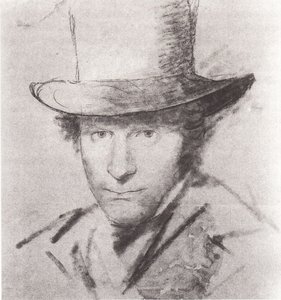
Carl Blechen
1798 - 1840 , Alemania
Datos clave
- Artistas Que Influyeron:
- Caspar David Friedrich
- Johann Christian Dahl
- Fecha De Fallecimiento: 23 de julio de 1840
- Fecha De Nacimiento: 29 de julio de 1798
- Lugar De Nacimiento: Cottbus, Alemania
- Movimiento Artístico: Romanticismo
- Nacionalidad: Alemán
- Nombre Completo: Carl Eduard Ferdinand Blechen
- Obras Notables:
- Im Berliner Tiergarten
- Waldweg bei Spandau
- Bau der Teufelsbrücke
Artículos relacionados

Evocations of Place: A Historical Journey Through Landscape Art
Explore the rich history of landscape art with OriginalUniqueArt. Discover renowned artists, movements like Impressionism & tonalism, and expert guidance for collecting timeless pieces. Find your perfect serene escape today!

Paisajes Románticos: 10 Obras Maestras que Definieron un Movimiento Artístico
Descubre los 10 paisajes románticos más influyentes de artistas como Caspar David Friedrich y Turner. Explora la belleza, el simbolismo y las técnicas del movimiento romántico. Reproducciones de arte exclusivas en OriginalUniqueArt.com.

Evoking Nature's Sublime: A Comprehensive Exploration of 19th-Century Landscape Painting
Explore the captivating world of 19th-century landscape painting! Discover renowned artists like Friedrich & Monet, key movements, and find the perfect artwork to bring nature's serenity into your home. Expert insights at OriginalUniqueArt.

Evocations of Place: A Historical Journey Through Landscape Art
Explore the rich history of landscape art with OriginalUniqueArt. Discover renowned artists, movements like Impressionism & Romanticism, and expert guidance for collecting timeless pieces. Find your perfect serene escape today!

El Sublime y lo Pintoresco: Explorando la Emoción y la Naturaleza en la Pintura Romántica de Paisaje
Explora la profunda conexión entre el arte romántico y la naturaleza. Descubre a Caspar David Friedrich, John Constable y otros maestros del sublime y lo pintoresco. Análisis experto e historia del movimiento.