

 Vista previa
 Compartir
 Compartir
 Ver detalles
 Guía
Guía

 Descargar
 Ver artículos similares
 Radiografía
 Presentación de diapositivas
 Estadísticas
Building the Devil's Bridge
 Oil On Canvas
- WallArt
- Romantic Industrialization
 1833
1833- 19th Century
 78.0 x 105.0 cm
 Neue Pinakothek
 Leer más
Giclée / Impresión de arte
Impresiones giclée o en lienzo de calidad de museo con producción rápida y opciones de acabado flexibles. ( Encargar reproducción pintada a mano Ver versión en imagen digital)




P118B €10

P118H €10

P118W €10

P438Z €10

P508JH €12

P508YH €12

P805H €10

P805Z €10

P919BZ €10

P919G €10

P919XJ €10

P959ZH €10

P968JZ €12

W106C €8

W218G €10

W218JH €8

W218Y €10

W307PJ €10

W316G €10

W316PJ €8

W316Y €10

W398PJ €8

W4111J €10

W500HY €15

W500JH €15

W692G €12

W849H €8

W940BG €15

W953PJ €8




Elija entre nuestros tamaños predefinidos que respetan las proporciones originales de la obra.

Introduzca el ancho y el alto que necesite para adaptarse a su marco o pared. Una impresión solo puede recortarse, nunca hacerse más grande que la imagen original, por lo que un tamaño con una forma distinta perderá parte de la obra. Le enviaremos una maqueta digital para su aprobación antes de realizar cualquier impresión. La imagen que se muestra en esta página no refleja el recorte real; solo la maqueta lo hace.
Envío a todo el mundo () en 2 semanas en lugar de las 4/5 semanas estándar. (22 octubre)

Envío exprés gratuito a todo el mundo

Lienzo de lino de alta calidad

Seguro de envío completo

Garantía de reembolso de impuestos aduaneros

Garantía de fidelidad cromática exacta

Política de devolución de 100 días (solo por defectos)

Garantía de devolución del 100% del dinero

Oferta por volumen
 La opción de vidrio solo está disponible en tamaños inferiores a 110 cm.

Building the Devil's Bridge
Giclée / Impresión de arte
Tamaño de la reproducción
-


Precio total
€ 70
A Symphony of Ambition and Nature
In his 1833 masterpiece, Building the Devil's Bridge, Carl Blechen invites the viewer into a profound dialogue between human ingenuity and the indomitable spirit of the natural world. This oil on canvas work is far more than a mere documentation of construction; it is a poignant exploration of the Romantic era’s complex relationship with progress. As a bridge begins to span a dramatic, yawning gorge, we witness a moment frozen in time where the burgeoning industrial revolution meets the ancient, silent majesty of the earth. The scene captures a sense of monumental effort, as workers navigate the rugged terrain, their small figures serving as a testament to human resilience amidst the towering, intimidating cliffs that frame the composition.
The painting breathes with a palpable tension, a duality that Blechen masterfully orchestrates through his use of light and shadow. The atmosphere is thick with a certain melancholic grandeur, achieved through a muted palette of earthy browns, somber greys, and subdued greens. This choice of color grounds the work in a raw, naturalistic reality, yet it is the dramatic lighting that truly stirs the soul. Soft, diffused daylight casts long, sweeping shadows across the gorge, highlighting the precariousness of the construction. These shadows do more than provide depth; they act as a metaphor for the inescapable shadow of mortality and the inherent vulnerability of human endeavors when pitted against the immense scale of geological time.
Symbolism and the Industrial Sublime
To gaze upon this work is to encounter the "Industrial Sublime." Blechen, a pioneer who dared to look beyond idealized landscapes, utilizes the bridge itself as a powerful symbol of human ambition and the desire to dominate formidable natural forces. The jagged edges of the rocks and the verticality of the cliffs represent the resistance of nature, while the presence of the crane—reminiscent of an instrument of execution—hints at the potential cost of such rapid advancement. There is a haunting beauty in this struggle, a sense that every step toward progress carries a weight of consequence.
For the discerning collector or interior designer, Building the Devil's Bridge offers a sophisticated focal point that commands attention through its narrative depth and structural complexity. The strong diagonal perspective draws the eye deep into the heart of the landscape, leading from the immediate human presence toward the hazy, distant mountains. This use of atmospheric perspective creates an expansive sense of space, making the artwork feel like a window into another era. Whether placed in a contemporary gallery or a classic study, this reproduction brings with it an aura of intellectual curiosity and emotional resonance, perfect for those who appreciate art that challenges the mind while captivating the eye.
Preguntas y respuestas
¿Cómo puedo descubrir obras de arte similares a "Building the Devil's Bridge" de Carl Blechen?
La página de Similares de "Building the Devil's Bridge" de Carl Blechen presenta obras relacionadas.
¿Qué nivel de saturación cromática tiene "Building the Devil's Bridge" de Carl Blechen?
La paleta de "Building the Devil's Bridge" tiene una saturación Muted.
¿Existe una guía para "Building the Devil's Bridge" de Carl Blechen?
La guía de "Building the Devil's Bridge" es la página Guía de la obra: una ficha imprimible que muestra la pieza con su pie de foto, línea de crédito y tabla de identidad (artista, fechas, técnica, tamaño original, colección).
Biografía del artista
Un Pionero de la Industrialización Romántica: La Vida y el Arte de Carl Blechen
Carl Eduard Ferdinand Blechen, nacido en Cottbus, Alemania, en 1798, ocupa una posición singular y a menudo pasada por alto dentro de la tradición paisajística. Su vida estuvo marcada tanto por el brillo artístico como por las turbulencias personales, una dualidad que moldeó profundamente su obra evocadora e innovadora. Inicialmente destinado a una carrera pragmática en la banca debido a limitaciones financieras familiares, las inclinaciones artísticas inherentes de Blechen finalmente prevalecieron. Se dedicó a estudiar en la Academia de Artes de Berlín en 1822, embarcándose en un camino que lo convertiría en uno de los primeros artistas en abordar los desafíos estéticos –y las posibilidades– presentados por la temprana industrialización.
Los años formativos de Blechen estuvieron impregnados de los ideales románticos que recorrían Europa. Sin embargo, a diferencia de muchos de sus contemporáneos que se centraron únicamente en la belleza natural idealizada o la grandeza histórica, la mirada de Blechen se dirigió hacia un mundo cambiante. Un viaje crucial a Italia en 1828-1829 resultó transformador. Sumergido en la luz y la atmósfera del campo italiano, perfeccionó sus habilidades en el bocetaje al aire libre, capturando momentos fugaces y efectos dramáticos con una sensibilidad notable. Estos bocetos no eran meros estudios preparatorios; estaban imbuidos de una energía vibrante que caracterizaría su estilo maduro. Regresó a Berlín no solo como un pintor técnicamente competente sino como un artista con una visión distinta –una que buscaba reconciliar la sublime belleza de la naturaleza con las realidades invasoras de la modernidad.
Navegando entre Tradición y Transformación
La producción artística de Blechen se caracteriza por una tensión convincente entre sensibilidad romántica y un incipiente realismo. No rehuyó representar el floreciente paisaje industrial, pero tampoco lo celebró acríticamente. Obras como Bau der Teufelsbrücke (Construcción del Puente del Diablo), pintada entre 1830 y 1832, ejemplifican este enfoque. La pintura no glorifica la hazaña de ingeniería; en cambio, presenta una escena de arduo trabajo ambientada sobre un telón de fondo dramático, insinuando tanto la ambición humana como el potencial de interrupción del orden natural. Esta voluntad de confrontar las complejidades de su tiempo lo distingue de muchos de sus contemporáneos.
Sus paisajes a menudo están impregnados de una atmósfera melancólica, que refleja no solo el cambiante entorno físico sino también sus propias luchas internas. Waldweg bei Spandau (Camino Forestal cerca de Spandau), por ejemplo, evoca una sensación de soledad e introspección, al tiempo que muestra la maestría de Blechen en la luz y la sombra. Empleó hábilmente la perspectiva atmosférica para crear profundidad y estado de ánimo, atrayendo al espectador a la escena e invitándolo a la contemplación. No se limitaba a registrar lo que veía; transmitía una respuesta emocional a ello.
Un Genio Atormentado y un Legado Duradero
A pesar de sus logros artísticos, la vida de Blechen se truncó trágicamente por enfermedad mental. Nombrado Profesor de Pintura Paisajística en la Academia de Berlín en 1831 –un testimonio de su creciente reputación– su condición comenzó a deteriorarse rápidamente después de 1835. Obligado a tomarse una licencia y finalmente hospitalizado, continuó creando arte incluso en medio de su sufrimiento, produciendo conmovedores dibujos que ofrecen un vistazo a su atribulado mundo interior. Murió en Berlín en 1840 a la edad de 41 años.
Aunque su carrera fue relativamente breve, la influencia de Carl Blechen en las generaciones posteriores de artistas es innegable. Sus innovadoras representaciones de paisajes industriales allanaron el camino para los pintores realistas e impresionistas posteriores que buscaron capturar el rostro cambiante de la vida moderna. Demostró que era posible encontrar belleza –y significado– incluso en medio de la transformación, una lección que continúa resonando con los artistas de hoy. Su obra sigue siendo un poderoso recordatorio de la compleja relación entre la humanidad, la naturaleza y el progreso.
Obras Clave y Colecciones
- Im Berliner Tiergarten (El Zoológico de Berlín), 1825: Un ejemplo temprano de su capacidad para capturar efectos atmosféricos y escenas cotidianas con una sensibilidad romántica.
- Waldweg bei Spandau (Camino Forestal cerca de Spandau): Un paisaje inquietante que ejemplifica su dominio de la luz, la sombra y el estado de ánimo.
- Bau der Teufelsbrücke (Construcción del Puente del Diablo), 1830–32: Una representación innovadora de la temprana industrialización, que muestra tanto la ambición humana como su impacto en el mundo natural.
Hoy en día, las obras de Blechen se pueden encontrar en colecciones de museos prominentes en todo el mundo, incluido el Kunsthalle Bielefeld en Alemania, The Fitzwilliam Museum en Cambridge y la National Gallery en Londres. Estas instituciones preservan su legado para las generaciones futuras, asegurando que su visión innovadora continúe inspirando y desafiando a los espectadores.
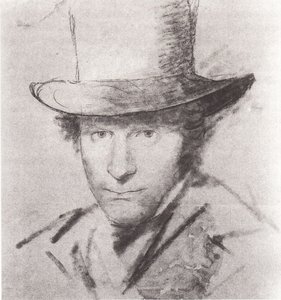
Carl Blechen
1798 - 1840 , Alemania
Datos clave
- Artistas Que Influyeron:
- Caspar David Friedrich
- Johann Christian Dahl
- Fecha De Fallecimiento: 23 de julio de 1840
- Fecha De Nacimiento: 29 de julio de 1798
- Lugar De Nacimiento: Cottbus, Alemania
- Movimiento Artístico: Romanticismo
- Nacionalidad: Alemán
- Nombre Completo: Carl Eduard Ferdinand Blechen
- Obras Notables:
- Im Berliner Tiergarten
- Waldweg bei Spandau
- Bau der Teufelsbrücke
Artículos relacionados

Evocations of Place: A Historical Journey Through Landscape Art
Explore the rich history of landscape art with OriginalUniqueArt. Discover renowned artists, movements like Impressionism & Romanticism, and expert guidance for collecting timeless pieces. Find your perfect serene escape today!

Paisajes Románticos: 10 Obras Maestras que Definieron un Movimiento Artístico
Descubre los 10 paisajes románticos más influyentes de artistas como Caspar David Friedrich y Turner. Explora la belleza, el simbolismo y las técnicas del movimiento romántico. Reproducciones de arte exclusivas en OriginalUniqueArt.com.

John Constable: Las 25 Obras Maestras del Paisaje Inglés | OriginalUniqueArt
Descubre las 25 obras maestras de John Constable, el pintor romántico inglés que capturó la belleza del paisaje. Explora su técnica, historia y significado en OriginalUniqueArt.com. Reproducciones de arte de alta calidad para tu hogar.

Evoking Nature's Sublime: A Comprehensive Exploration of 19th-Century Landscape Painting
Explore the captivating world of 19th-century landscape painting! Discover renowned artists like Friedrich & Monet, key movements, and find the perfect artwork to bring nature's serenity into your home. Expert insights at OriginalUniqueArt.

10 Obras Maestras del Realismo Romántico que Debes Conocer
Explora la emoción y el detalle del Realismo Romántico. Un viaje por 10 obras maestras que capturan la esencia humana con técnica y alma. Encuentra inspiración y reproducciones de calidad museo para tu hogar en OriginalUniqueArt.com. ¡Descubre toda la colección online!

