
 Ver en contexto
 Enviar
 Compartir
 Detalles
 Guía
Guía

 Descargar
 Similares
 Radiografía
 Presentación de diapositivas
 Preguntas y respuestas
 Estadísticas
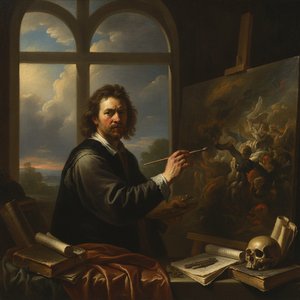
Autorretrato

- 62.0 x 51.0 cm


 Ver más
Giclée / Impresión de arte
Impresiones giclée o en lienzo de calidad de museo con producción rápida y opciones de acabado flexibles. ( Comprar pintura hecha a mano Cambiar a imagen digital)




P118B €10

P118H €10

P118W €10

P438Z €10

P508JH €12

P508YH €12

P805H €10

P805Z €10

P919BZ €10

P919G €10

P919XJ €10

P959ZH €10

P968JZ €12

W106C €8

W218G €10

W218JH €8

W218Y €10

W307PJ €10

W316G €10

W316PJ €8

W316Y €10

W398PJ €8

W4111J €10

W500HY €15

W500JH €15

W692G €12

W849H €8

W940BG €15

W953PJ €8




Elija entre nuestros tamaños predefinidos que respetan las proporciones originales de la obra.

Introduzca el ancho y el alto que necesite para adaptarse a su marco o pared. Una impresión solo puede recortarse, nunca hacerse más grande que la imagen original, por lo que un tamaño con una forma distinta perderá parte de la obra. Le enviaremos una maqueta digital para su aprobación antes de realizar cualquier impresión. La imagen que se muestra en esta página no refleja el recorte real; solo la maqueta lo hace.
Envío a todo el mundo () en 2 semanas en lugar de las 4/5 semanas estándar. (4 noviembre)

Envío exprés gratuito a todo el mundo

Lienzo de lino de alta calidad

Seguro de envío total

Garantía de reembolso de aranceles aduaneros

Garantía de fidelidad cromática exacta

Política de devolución de 100 días (solo por defectos)

Garantía de devolución del 100% del dinero

Descuento por cantidad
 La opción de vidrio solo está disponible en tamaños inferiores a 110 cm.

Autorretrato
Giclée / Impresión de arte
Dimensiones de la reproducción
-


Precio total final
€ 72
La mirada del genio: un encuentro con el Autorretrato de Carel Fabritius
Situarse ante un autorretrato de un artista como Carel Fabritius no es simplemente observar un parecido; es entablar un diálogo profundo, casi conspiratorio, a través de los siglos. Esta pintura captura mucho más que al hombre que la plasmó: la mirada intensa, el atuendo cuidadosamente elegido con ese sombrero negro adornado por una pluma y el impactante destello de rojo contra el fondo tenue, todo converge en una declaración singular de presencia artística. Fabritacio, cuya vida fue trágicamente breve, dotó a su obra de una intensidad que desmiente la brevedad de su paso por el vibrante tapiz de la Edad de Oro neerlandesa.
Maestría en sombra y matiz: técnica y estilo
La técnica de Fabritius es una clase magistral de drama controlado. Si bien el tema —una confrontación directa con el espectador— es inmediato, la ejecución revela una comprensión sofisticada de la luz. Casi se puede sentir el sutil juego entre la iluminación que captura el brillo de su larga cabellera y las sombras profundas que se agrupan a su alrededor. La riqueza de la vestimenta roja no funciona solo como moda, sino como un punto focal deliberado, atrayendo la mirada de inmediato hacia el núcleo emocional de la pieza. Su manejo de la pintura sugiere un rigor académico combinado con una energía casi espontánea y visceral, sellos distintivos de un artista que desafió los límites del retrato.
Ecos históricos y resonancia emocional
Datado en un periodo en el que el arte neerlandés se encontraba en su apogeo, este autorretrato funciona tanto como testimonio personal como documento histórico. El fondo, con su sencilla textura de pared, elimina cualquier distracción innecesaria, obligando al espectador a entrar en un espacio íntimo con el retratado. Esta franqueza es emocionalmente potente; evade la observación cortés y exige reconocimiento. Habla del propio viaje del artista: una vida vivida con intensidad, que culmina en un arte que se niega a ser categorizado o olvidado fácilmente.
Llevar la obra maestra al hogar: decorar con profundidad
Para el coleccionista o diseñador exigente que busca un ancla de profundo carácter para una estancia, esta reproducción ofrece una profundidad sin igual. El dramático claroscuro inherente al estilo de Fabritius añade una gravedad inmediata a cualquier espacio, ya sea un estudio formal o un salón ricamente decorado. Poseer una pieza que conlleva un peso artístico tan palpable significa invitar no solo a la decoración, sino a la conversación: una meditación continua sobre el genio, la percepción y el poder perdurable de la mirada humana.
Preguntas y respuestas
¿En qué estancia del hogar quedaría bien una reproducción de "Autorretrato"?
Se recomienda "Autorretrato" de Carel Fabritius para un Salón principal. Esta sugerencia se basa en el tema, los colores y la atmósfera de la obra.
¿Qué tan armoniosos son los colores de "Autorretrato" de Carel Fabritius?
"Autorretrato" de Carel Fabritius presenta una armonía de color Paleta unificada.
¿Qué sensación transmite "Autorretrato" de Carel Fabritius?
"Autorretrato" de Carel Fabritius transmite una sensación Contemplativo dentro de un ambiente general Elegante.
Biografía del artista
Early Life and Training
Carel Fabritius (1622 – 1654) was born in Muiden, Netherlands, a village situated just north of Amsterdam, on February 27th, 1622. He descended from Pieter Carelsz Fabritius, a painter and schoolteacher, and Barbertje van der Maes, who married in 1641. Fabritius’s father instilled in him an early appreciation for artistic pursuits, shaping his formative years with instruction in the craft of painting. Like many artists of his time, Fabritius received his initial training under Rembrandt van Rijn, arguably the most celebrated artist of the Dutch Golden Age—a connection that profoundly impacted his artistic trajectory. Under Rembrandt’s watchful eye, Fabritius honed his skills and cultivated a distinctive style characterized by meticulous observation and masterful execution. This mentorship cemented Fabritius's place within the Delft School, an influential movement known for its unwavering commitment to realism and its nuanced portrayal of everyday life.Delft School and Artistic Style
Fabritius’s affiliation with the Delft School distinguished him from many other painters of his era. Artists associated with this school prioritized capturing the subtleties of reality—the textures of fabrics, the play of light on surfaces, and the expressions of human emotion—with unparalleled precision. Fabritius embraced Rembrandt's innovative approach to painting, particularly his use of *chiaroscuro*, a technique that dramatically contrasted light and dark hues to create an illusion of volume and depth. This method became Fabritius’s signature style, evident in numerous canvases where he skillfully manipulated tonal ranges to convey atmosphere and emotion. His paintings frequently depicted domestic scenes—interior interiors bathed in soft illumination—reflecting the Delft School's fascination with portraying intimate moments of daily life.Notable Works and Influences
Fabritius’s artistic vision drew inspiration from the Italian Caravaggisti, artists who championed dramatic lighting and emotionally charged compositions. Like Michelangelo Buonarroti and Titian, Fabritius sought to convey profound psychological states through visual representation—a pursuit that aligns with the broader humanist ideals of his time. Furthermore, Fabritius skillfully employed *atmospheric perspective*, a technique that simulates the effects of distance by diminishing color intensity and blurring contours. This masterful manipulation of spatial illusion contributed significantly to the immersive quality of his artworks. His legacy extends beyond his own creations; Johannes Vermeer—a fellow Delft School painter—acknowledged Fabritius’s influence, adopting similar stylistic conventions to achieve remarkable visual harmony.Legacy and Historical Significance
Fabritius's untimely demise in October 1654 during the devastating Delft Powder Explosion tragically curtailed his artistic career. Despite producing only thirteen confirmed paintings—a relatively modest output compared to many of his contemporaries—Fabritius’s works stand as testaments to his exceptional talent and unwavering dedication to artistic innovation. His canvases, including *The Goldfinch* and *The Sentry*, continue to captivate audiences with their luminous palettes, masterful draughtsmanship, and profound psychological insight. Fabritius's contribution to the Delft School solidified its reputation for portraying domestic life with remarkable realism—a legacy that persists in museums worldwide where his paintings are revered as masterpieces of Baroque art. His innovative use of light and shadow, combined with his meticulous attention to detail, cemented Fabritius’s place among the most influential artists of the Dutch Golden Age, ensuring his enduring presence within the annals of art history.
Carel Fabritius
1622 - 1654 , Países Bajos
Datos clave
- Artistic Movement Or Style: Barroco
- Artists Or Movements Influenced By This Artist: ['Caravaggisti']
- Artists Who Influenced This Artist: ['Rembrandt van Rijn']
- Date Of Birth: 27 febrero 1622
- Date Of Death: 12 octubre 1654
- Full Name: Carel Pietersz Fabritius
- Nationality: Holandés
- Notable Artworks:
- La resurrección de Lázaro
- Una vista de Delft
- El Centinela
- Place Of Birth: Muiden, Países Bajos
Artículos relacionados
Dutch Baroque Unlocked: Mastering Chiaroscuro, Epic Drama, and the High-Impact Legacy of Rembrandt
Explore the dramatic power of Dutch Baroque art. Master the secrets of Rembrandt’s chiaroscuro, discover the epic scale of the Golden Age, and learn how to bring high-impact, hand-painted historical masterpieces into your modern collection with expert precision.

Luz y Sombra: Las 25 Mejores Obras Maestras de Rembrandt van Rijn
Explora las 25 obras maestras de Rembrandt y su claroscuro. Encuentra reproducciones de museo en OriginalUniqueArt.com.

Rembrandt van Rijn: A Life Illuminated – Innovation, Emotion, and the Dutch Golden Age
Explore the life & art of Rembrandt van Rijn, a Dutch Golden Age master. Discover his innovative techniques, iconic paintings like 'The Night Watch', and enduring legacy. Expert insights for collectors & enthusiasts.

Golden Light & Dutch Skies: The Timeless Magic of Dutch Golden Age Landscapes
Discover the breathtaking beauty of Dutch Golden Age landscapes. Explore the mastery of light, chiaroscuro, and 17th-century realism through an expert art history lens, celebrating the enduring legacy of the Dutch Masters for discerning collectors and art lovers.

Los 10 Maestros del Barroco Holandés: Obras que Definen una Época | OriginalUniqueArt
Descubre los 10 imprescindibles del Barroco holandés: Rembrandt, Vermeer y más. Explora la historia, técnica y belleza de estas obras maestras. Reproducciones de arte en OriginalUniqueArt.com para decorar tu hogar con elegancia.


