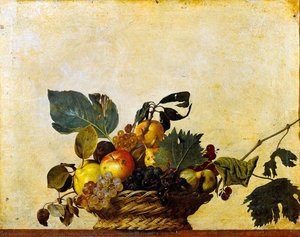
Ver en contexto
 Enviar
 Compartir
 Detalles
 Guía
Guía

 Descargar
 Similares
 Radiografía
 Presentación de diapositivas
 Preguntas y respuestas
 Estadísticas
Magdalena (detalle)


 Ver más
Giclée / Impresión de arte
Impresiones giclée o en lienzo de calidad de museo con producción rápida y opciones de acabado flexibles. ( Comprar pintura hecha a mano Cambiar a imagen digital)




P118B €10

P118H €10

P118W €10

P438Z €10

P508JH €12

P508YH €12

P805H €10

P805Z €10

P919BZ €10

P919G €10

P919XJ €10

P959ZH €10

P968JZ €12

W106C €8

W218G €10

W218JH €8

W218Y €10

W307PJ €10

W316G €10

W316PJ €8

W316Y €10

W398PJ €8

W4111J €10

W500HY €15

W500JH €15

W692G €12

W849H €8

W940BG €15

W953PJ €8




Elija entre nuestros tamaños predefinidos que respetan las proporciones originales de la obra.

Introduzca el ancho y el alto que necesite para adaptarse a su marco o pared. Una impresión solo puede recortarse, nunca hacerse más grande que la imagen original, por lo que un tamaño con una forma distinta perderá parte de la obra. Le enviaremos una maqueta digital para su aprobación antes de realizar cualquier impresión. La imagen que se muestra en esta página no refleja el recorte real; solo la maqueta lo hace.
Envío a todo el mundo () en 2 semanas en lugar de las 4/5 semanas estándar. (8 noviembre)

Envío exprés gratuito a todo el mundo

Lienzo de lino de alta calidad

Seguro de envío total

Garantía de reembolso de aranceles aduaneros

Garantía de fidelidad cromática exacta

Política de devolución de 100 días (solo por defectos)

Garantía de devolución del 100% del dinero

Descuento por cantidad
 La opción de vidrio solo está disponible en tamaños inferiores a 110 cm.

Magdalena (detalle)
Giclée / Impresión de arte
Dimensiones de la reproducción
-


Precio total final
€ 72
Magdalene (detail): A Masterpiece of Baroque Drama
Caravaggio’s Magdalene (detail) is a poignant and powerful painting that showcases the artist's mastery of light, emotion, and composition. Created in 1596, this oil on canvas work is housed at the Galleria Doria Pamphilj in Rome, Italy.The Painting's Context
The subject of the painting is Mary Magdalene, a figure from Christian tradition known for her repentance and devotion. Caravaggio’s depiction of Magdalene is unique in its realism and emotional depth, setting it apart from traditional representations of the time. The painting captures a moment of introspection and sorrow, as Magdalene sits on the floor surrounded by symbols of her former life: jewelry, pearls, and a vase. This scene was conceived during a period marked by intense religious fervor and artistic experimentation—the Baroque era—where artists sought to evoke profound feelings in their viewers through dramatic visual narratives. Caravaggio’s intention wasn't merely to depict Magdalene; he aimed to convey the very essence of repentance and spiritual transformation, mirroring the broader humanist concerns of his time.Artistic Techniques
Caravaggio’s use of chiaroscuro—a technique that emphasizes contrasts between light and dark—creates a dramatic effect. The light source is positioned to highlight Magdalene's face and hands, drawing the viewer’s attention to her emotional state. This innovative lighting technique was characteristic of Caravaggio’s style and influenced many subsequent artists. He achieved this breathtaking illusionism through meticulous observation of natural light and shadow, painstakingly layering thin glazes of paint to build up tonal gradations that seem to emanate from within the canvas itself. The artist's masterful handling of pigment—particularly ultramarine blue—further enhances the painting’s luminosity and contributes to its overall grandeur.Symbolism and Interpretation
The scattered jewelry and pearls symbolize Magdalene’s renunciation of worldly possessions and her embrace of a more spiritual path. They represent not merely material wealth but also the shedding of ego and attachment, central themes in Christian iconography. The vase, often interpreted as a symbol of purity, underscores the theme of repentance. Caravaggio's attention to detail in depicting these objects adds depth to the narrative, inviting contemplation on moral virtue and divine grace. Beyond its visual splendor, Magdalene (detail) speaks powerfully to universal human experiences of sorrow, regret, and redemption.Caravaggio's Influence
Caravaggio was a pivotal figure in the Baroque period, and his works had a profound impact on the development of Western art. His realistic and emotionally charged paintings influenced artists such as Rembrandt and Diego Velázquez. He revolutionized painting by rejecting idealized forms and embracing unflinching depictions of human anatomy and emotion—a bold departure from Mannerist conventions. The legacy of Caravaggio continues to inspire artists today, demonstrating the enduring power of artistic innovation to transcend time and resonate with audiences across cultures. Michelangelo Merisi Da Caravaggio—whose name translates to Michelangelo Merisi from Caravaggio—was born in Milan in 1571, and died in Rome in 1610. He was a prolific painter who produced over 200 paintings during his lifetime, establishing himself as one of the most celebrated artists of his era. His distinctive style—characterized by dramatic lighting, intense emotion, and meticulous realism—became synonymous with Baroque art. Explore more artworks and learn about Caravaggio’s life at Caravaggio (Michelangelo Merisi): Magdalene. OriginalUniqueArt offers exceptional reproductions of Caravaggio’s masterpieces—bringing the drama and beauty of Baroque art into your home. Experience the brilliance of Michelangelo Merisi Da Caravaggio through OriginalUniqueArt's hand-made oil painting reproductions.Preguntas y respuestas
¿Qué origen nacional sustenta el Baroque de "Magdalena (detalle)"?
"Magdalena (detalle)" fue creada por Caravaggio, nacido en España, dentro del movimiento Baroque. El origen del artista vincula la obra al Baroque tal como lo practicaban los artistas de España.
¿Con qué otros nombres o alias se conoce a Caravaggio?
Caravaggio también es conocido por los nombres Michelangelo Merisi da Caravaggio, Michele Angelo Merigi, Amerighi da Caravaggio.
¿Puedo usar la realidad aumentada para ver "Magdalena (detalle)" de Caravaggio en mi habitación?
"Magdalena (detalle)" cuenta con una vista previa en realidad aumentada: la página de Vista previa en RA de la obra permite visualizarla en su propio espacio mediante un dispositivo compatible.
Biografía del artista
Michelangelo Merisi da Caravaggio: Vida y Legado
Primeros Años y Formación (1571-1592)
- Michelangelo Merisi da Caravaggio, comúnmente conocido simplemente como Caravaggio, nació en Milán en 1571.
- Su familia se mudó al pueblo de Caravaggio debido a una devastadora epidemia que asoló Milán.
- Tras la muerte de su padre y abuelo en 1577, su madre crió a sus cinco hijos en relativa pobreza.
- En 1584, comenzó un aprendizaje de cuatro años con Simone Peterzano, un pintor que había sido alumno de Tiziano. Esta formación fundamental le inculcó las técnicas de la pintura renacentista.
Carrera Artística y Estilo (1592-1610)
- La carrera artística de Caravaggio floreció en Roma, donde llegó alrededor de 1592. Inicialmente tuvo dificultades para obtener reconocimiento pero rápidamente se estableció con su estilo innovador.
- Su característica más definitoria fue el uso magistral del claroscuro, el contraste dramático entre la luz y la oscuridad. Esta técnica, a menudo denominada tenebrismo, se convirtió en una marca registrada de la pintura barroca.
- Rechazó las formas idealizadas en favor de representaciones realistas, a menudo utilizando personas comunes como modelos para figuras religiosas.
- Las pinturas de Caravaggio son conocidas por su intensa realidad emocional y narrativas dramáticas.
Obras Clave
- La Profesora de Cartomancia (1594): Una obra temprana que muestra su estilo realista y atención al detalle.
- La Cena en Emaús (1601-1602): Una representación poderosa de la escena bíblica, demostrando su maestría del claroscuro y la intensidad emocional.
- San Francisco de Asís en Ecstasis (1594): Ilustra su capacidad para transmitir experiencia espiritual a través de imágenes realistas.
- La Captura de Cristo (c. 1602): Una composición dramática que destaca la traición y el arresto de Jesús.
- David con la Cabeza de Goliat (c. 1610): Un retrato psicológicamente complejo del héroe bíblico.
Influencias y Desarrollo Artístico
- Caravaggio fue influenciado por las obras de maestros renacentistas como Tiziano, Leonardo da Vinci y Miguel Ángel, que estudió durante su aprendizaje.
- Se alejó del estilo predominante manierista, adoptando un enfoque más directo y naturalista a la pintura.
- Su uso de luz y sombra se inspiró tanto en las tradiciones artísticas como en la iluminación teatral común en Roma en ese momento.
Logros Importantes e Importancia Histórica
- Caravaggio revolucionó la pintura barroca con su realismo dramático, el uso innovador del claroscuro y las composiciones cargadas de emoción.
- Inspiró a una generación de artistas conocidos como los “caravaggistas” o “sombras”, que adoptaron su estilo en toda Europa. Seguidores notables incluyen a Pedro Pablo Rubens, Jusepe de Ribera y Gerrit van Honthorst.
- Su obra desafió las convenciones artísticas y allanó el camino para un enfoque más moderno a la pintura.
- A pesar de una vida personal tumultuosa marcada por la violencia y los problemas legales, el legado artístico de Caravaggio sigue siendo profundo e imborrable.
Vida Tardía y Muerte
- En 1606, Caravaggio huyó de Roma después de matar a un hombre en una pelea. Pasó los siguientes años viajando entre Nápoles, Malta y Sicilia.
- Solicitó el perdón papal pero continuó enfrentándose a desafíos legales y conflictos personales.
- Caravaggio murió en Porto Ercole, Italia, en 1610 bajo circunstancias misteriosas. La causa de su muerte sigue siendo debatida, con teorías que van desde la fiebre hasta el envenenamiento.

Caravaggio
1571 - 1610 , España
Datos clave
- Artistas Influenciados:
- Pedro Pablo Rubens
- Jusepe de Ribera
- Gerrit van Honthorst
- Artistas Que Influyeron:
- Simone Peterzano
- Tiziano
- Leonardo da Vinci
- Miguel Ángel
- Fecha De Muerte: 1610
- Fecha De Nacimiento: 1571
- Lugar De Nacimiento: Milán, España
- Movimiento Artístico: Barroco
- Nacionalidad: Italiana
- Nombre Completo: Michelangelo Merisi da Caravaggio
- Obras Notables:
- La Fortuna Diriente
- Cena en Emmaús
- San Francisco en Éxtasis
- La Toma de Cristo
- David con la cabeza de Goliat
- Cesta de Frutas
- Flagelación de San Pedro
- Écue Homo
Artículos relacionados
Chiaroscuro & Emotional Resonance: Exploring Dramatic Light in Western Painting
Explore the captivating world of chiaroscuro & tenebrism! Discover Caravaggio's influence, Baroque masters, and the enduring power of dramatic lighting in art history. Learn about these techniques with OriginalUniqueArt.

The Visceral Stage: Exploring Dramatic Narratives & Emotional Intensity in Baroque Art
Explore the dramatic world of Baroque art! Discover iconic masters like Caravaggio & Rembrandt, their techniques, and the movement's lasting impact. Expert insights for collectors & enthusiasts at OriginalUniqueArt.

The Dramatic Flourish: Exploring the Baroque Movement's Enduring Legacy in Art History
Explore the dramatic world of Baroque art! Discover iconic artists like Caravaggio & Rubens, defining techniques, and its lasting impact on art history. Expert insights for collectors & enthusiasts at OriginalUniqueArt.

Chiaroscuro and Soul: A Definitive Guide to the Drama and Emotion of Italian Baroque Masterpieces
Embark on a sophisticated journey through Italian Baroque art. Discover the dramatic interplay of light and emotion in Caravaggio’s masterpieces and explore how to bring this timeless grandeur into your collection with expert art insights.

Barroco Sublime: 10 Obras Maestras que Definieron una Época |
Descubre las 10 obras maestras del Barroco que marcaron una época. Caravaggio, Bernini y Velázquez cobran vida en . Reproducciones de arte de calidad museo para decorar tu hogar con elegancia. ¡Explora la colección online!