

 Vista previa
 Compartir
 Compartir
 Ver detalles

 Descargar
 Ver artículos similares
 Radiografía
 Presentación de diapositivas
 Estadísticas
Frevo
 Oil On Canvas
- WallArt
- Neo-Realism
 1956
1956- Modern
 198.0 x 168.0 cm
 Museu de Valores do Banco Central
 Leer más
Reproducción al óleo hecha a mano
Óleo sobre lienzo pintado a mano en el tamaño y marco de su elección, realizado por encargo por nuestros artistas. ( Cambiar a formato impreso Ver versión en imagen digital)




P118B $10

P118H $10

P118W $10

P438Z $10

P508JH $12

P508YH $12

P805H $10

P805Z $10

P919BZ $10

P919G $10

P919XJ $10

P959ZH $10

P968JZ $12

W106C $8

W218G $10

W218JH $8

W218Y $10

W307PJ $10

W316G $10

W316PJ $8

W316Y $10

W398PJ $8

W4111J $10

W500HY $15

W500JH $15

W692G $12

W849H $8

W940BG $15

W953PJ $8




Elija entre nuestros tamaños predefinidos que respetan las proporciones originales de la obra.

Puede ingresar sus propias dimensiones para adaptarse a un marco o espacio específico. Si el tamaño seleccionado no coincide con las proporciones de la imagen original, recortaremos la obra o extenderemos la pintura con elementos adicionales pintados a mano. Se le enviará una maqueta digital para su aprobación antes de comenzar la producción.
Tenga en cuenta que la vista previa en pantalla no refleja el recorte o la extensión reales. Solo la maqueta mostrará con precisión la composición final.
Si bien existen tamaños personalizados, recomendamos seleccionar una dimensión de la lista predefinida para preservar las proporciones originales.
Tras realizar el pedido, el equipo de OriginalUniqueArt.com enviará un correo electrónico al cliente para solicitar instrucciones y proporcionarle una vista previa del boceto.
Envío a todo el mundo () en 3-4 semanas en lugar de las 5 semanas estándar. (17 septiembre). Sin comprometer la calidad.

Envío exprés gratuito a todo el mundo

Lienzo de lino de alta calidad

Seguro de envío completo

Garantía de reembolso de impuestos aduaneros

Garantía de fidelidad cromática exacta

Política de devolución de 100 días (solo por defectos)

Garantía de devolución del 100% del dinero

Oferta por volumen
 La opción de vidrio solo está disponible en tamaños inferiores a 110 cm.

Frevo
Técnica de reproducción
Tamaño de la reproducción
-


Precio total
$ 350
A Dance of Tension and Expression
In the vibrant yet unsettling masterpiece Frevo, created in 1956, Candido Portinari de Menezes invites the viewer into a claustrophobic, emotionally charged interior that defies simple interpretation. The painting presents a densely populated scene where three figures are caught in a moment of profound psychological intensity. Rather than capturing the celebratory spirit often associated with the Brazilian dance of the same name, Portinari utilizes a style of expressive realism to depict a shared experience of awe or perhaps even dread. The subjects are arranged in overlapping planes, creating a sense of depth that paradox into a feeling of confinement, as if the very walls of the room are pressing inward against the figures' contorted limbs and wide-eyed gazes.
The technique employed by Portinari is nothing short of visceral. Through the masterful use of oil paints on canvas, the artist achieves a heavy, tactile presence via thick layers of impasto. These visible brushstrokes do more than just define form; they imbue the flesh and fabric of the figures with a rugged physicality that mirrors their internal turmoil. The lighting is strikingly directional, casting deep, dramatic shadows that carve out the volume of the bodies and emphasize the sharp, almost geometric lines of the window frame. This interplay of light and shadow creates an atmosphere of theatrical tension, drawing the eye toward the faces where the true drama resides.
Symbolism and the Brazilian Soul
As a titan of Brazilian neo-realism, Portinari was deeply preoccupied with the social and emotional realities of his people. In Frevo, this preoccupation manifests through the symbolic weight of the figures' postures. The way the subjects gaze upward, their hands gesturing in surprise or reverence, suggests a revelation or an external force that is felt but not seen. This creates a powerful sense of mystery, leaving the collector to contemplate whether the scene depicts a moment of spiritual transcendence or a reaction to a looming social upheaval. The organic, rounded shapes of the human forms contrast sharply with the rigid architectural elements, highlighting the vulnerability of the human condition when faced with the unknown.
For the discerning art lover or interior designer, this piece offers more than mere decoration; it serves as a profound focal point for any sophisticated space. The painting’s ability to command attention through its raw emotional impact makes it an ideal acquisition for those looking to introduce depth and narrative complexity into a room. Whether placed in a contemporary gallery setting or a classic study, the textured surface and the brooding, masterful palette of Frevo provide a timeless sense of drama and intellectual engagement, ensuring that the conversation around the artwork never truly ends.
Biografía del artista
Early Life and Artistic Beginnings
Candido Portinari de Menezes, born December 29, 1903, in Ferro Novo, São Paulo, Brazil, emerged from humble beginnings—his parents were Italian immigrants who cultivated a coffee plantation. This formative experience instilled within him an enduring appreciation for his homeland’s landscapes and traditions, profoundly shaping his artistic vision. Unlike many of his peers, Portinari received only rudimentary schooling beyond the initial years of elementary education, prioritizing self-directed learning and honing his craft through practical observation. His fascination with art began early on when he assisted a painter in crafting reproductions of photographs—a skill that demonstrated an uncanny ability to capture visual likenesses with remarkable precision. This formative apprenticeship solidified his commitment to artistic discipline and fueled his burgeoning talent.Studies at the National School of Fine Arts
Portinari’s formal education commenced at the Escola Nacional de Belas Artes (ENBA) in Rio de Janeiro, where he immersed himself in the study of European art movements. Notably influenced by Impressionism and Cubism, he absorbed techniques and concepts that would later permeate his distinctive style. During his time at ENBA, Portinari achieved considerable success in artistic competitions—winning prizes in 1923, 1925, and 1927—a testament to his burgeoning talent and dedication. Furthermore, he secured a prestigious scholarship from the Brazilian government, allowing him to pursue advanced studies abroad for three years, marking a pivotal moment in his artistic trajectory. This immersive experience broadened his horizons intellectually and aesthetically, exposing him to diverse artistic traditions and fostering a deeper understanding of global art history.The Neo-Realist Style and Social Engagement
Portinari’s artistic breakthrough arrived with the embrace of neo-realism—a movement characterized by its unflinching portrayal of everyday life and social realities. Rejecting idealized representations, he sought to capture the essence of Brazilian society—its hardships, struggles, and beauty—with uncompromising honesty. Inspired by artists such as Picasso and Matisse, Portinari skillfully blended academic training with modernist experimentation, achieving a unique visual language that resonated deeply with his contemporaries. His artistic output reflected an unwavering commitment to social justice and empathy, articulating the voices of marginalized communities and confronting uncomfortable truths about Brazilian history.Major Works and Recognition
Portinari’s prolific career yielded over 5,000 canvases—ranging from intimate sketches to monumental murals—establishing him as one of Brazil's most celebrated painters. Among his iconic creations stands “War and Peace,” a colossal mural commissioned for the United Nations Headquarters in New York City in 1956—a testament to his artistic ambition and humanist ideals. This ambitious project showcased Portinari’s mastery of scale and color, conveying a powerful message about peace and reconciliation. His work garnered international acclaim, securing prominent positions in museums worldwide, including The Tate Modern in London and Hastings Museum & Art Gallery in England. Furthermore, Portinari's enduring legacy continues to inspire artists and scholars alike—solidifying his place as a cornerstone of Brazilian art history.Legacy and Impact
Candido Portinari’s artistic vision profoundly impacted the trajectory of Brazilian art, establishing him as one of its foremost figures. His unwavering dedication to portraying the human condition—particularly the plight of impoverished communities—served as an inspiration for generations of artists striving to capture the complexities of social reality. Beyond his formal accomplishments, Portinari's active engagement in Brazilian cultural and political life cemented his role as a champion of humanist values—a legacy that transcends artistic boundaries and resonates powerfully within the broader context of Brazilian history.
Candido Portinari
1903 - 1962 , Brasil
Datos clave
- Artistic Movement Or Style: Neo-Realism
- Artists Who Influenced This Artist:
- Vincent van Gogh
- Pablo Picasso
- Date Of Birth: December 29, 1903
- Date Of Death: February 6, 1962
- Full Name: Candido Portinari de Menezes
- Nationality: Brazilian
- Notable Artworks:
- War and Peace
- Meninos de Brodowski
- Place Of Birth: Ferro Novo, Brazil
Artículos relacionados

El Legado Duradero del Óleo sobre Lienzo: Técnica, Historia y Práctica Contemporánea
Descubre la historia y técnica del óleo sobre lienzo. Explora reproducciones fieles hechas a mano, personalización artística y consejos de expertos con .

The Enduring Power of Painting: A Historical & Contemporary Exploration of Form and Emotion
Explore the rich history & enduring techniques of oil painting with OriginalUniqueArt. Discover masterpieces, learn about art collecting, and find authentic handmade reproductions crafted by skilled artists.
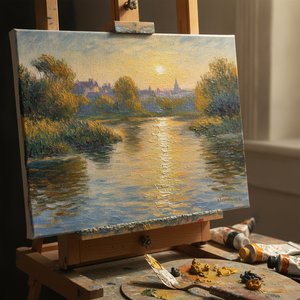
The Soul of Impressionism: Why Oil on Canvas Captures Eternal Light and Timeless Emotion
Discover the enchanting alchemy of Impressionism. Explore how the mastery of oil on canvas, through glazing and impasto, captures eternal light and emotion. Perfect for lovers of Monet and Van Gogh seeking the profound depth of hand-painted fine art.

The Enduring Legacy of Oil on Canvas: Technique, History & Aesthetic Impact
Explore the rich history & techniques of oil painting – from Renaissance masters to Impressionism. Discover pigments, layering methods, and why this timeless medium endures. Expert insights for artists & art enthusiasts.

El Óleo sobre Lienzo: Historia, Técnica y la Persistencia de un Medio Artístico Atemporal
Descubre la historia y técnica del óleo sobre lienzo. Explora reproducciones fieles hechas a mano, personalización artística y consejos de expertos con OriginalUniqueArt. ¡Colecciona arte con confianza!