Vista previa
 Compartir
 Compartir
 Ver detalles

 Descargar
 Ver similares
 Radiografía
 Presentación de diapositivas
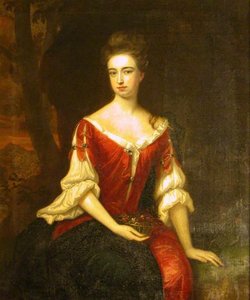
Edward Tenison
 Acrylic On Canvas
- WallArt
- Baroque
 1720
1720 50.0 x 40.0 cm
 Universidad de Cambridge
 Leer más
Reproducción al óleo hecha a mano
Óleo sobre lienzo pintado a mano en el tamaño y marco de su elección, realizado por encargo por nuestros artistas. ( Pedir impresión Comprar descarga)




P118B $10

P118H $10

P118W $10

P438Z $10

P508JH $12

P508YH $12

P805H $10

P805Z $10

P919BZ $10

P919G $10

P919XJ $10

P959ZH $10

P968JZ $12

W106C $8

W218G $10

W218JH $8

W218Y $10

W307PJ $10

W316G $10

W316PJ $8

W316Y $10

W398PJ $8

W4111J $10

W500HY $15

W500JH $15

W692G $12

W849H $8

W940BG $15

W953PJ $8




Elija entre nuestros tamaños predefinidos que respetan las proporciones originales de la obra.

Puede ingresar sus propias dimensiones para adaptarse a un marco o espacio específico. Si el tamaño seleccionado no coincide con las proporciones de la imagen original, recortaremos la obra o extenderemos la pintura con elementos adicionales pintados a mano. Se le enviará una maqueta digital para su aprobación antes de comenzar la producción.
Tenga en cuenta que la vista previa en pantalla no refleja el recorte o la extensión reales. Solo la maqueta mostrará con precisión la composición final.
Si bien existen tamaños personalizados, recomendamos seleccionar una dimensión de la lista predefinida para preservar las proporciones originales.
Tras realizar el pedido, el equipo de OriginalUniqueArt.com enviará un correo electrónico al cliente para solicitar instrucciones y proporcionarle una vista previa del boceto.
Envío a todo el mundo () en 3-4 semanas en lugar de las 5 semanas estándar. (22 agosto). Sin comprometer la calidad.

Envío exprés gratuito a todo el mundo

Lienzo de lino de alta calidad

Seguro de envío completo

Garantía de reembolso de aranceles aduaneros

Garantía de fidelidad cromática exacta

Política de devolución de 60 días (solo por defectos)

Garantía de devolución del 100% del dinero

Oferta por volumen
 La opción de vidrio solo está disponible en tamaños inferiores a 110 cm.

Edward Tenison
Técnica de reproducción
Tamaño de la reproducción
-


Precio total
$ 300
Descripción de la obra
Edward Tenison (1673-1735), Bishop of Ossory (after Kneller) 597921
Edward Tenison’s portrait by Sir Godfrey Kneller stands as a testament to the grandeur and formality of Georgian Britain, capturing not merely likeness but also embodying the ideals of piety and erudition that defined the era. Painted circa 1720, this remarkable artwork exemplifies Kneller's mastery of “manner,” a style characterized by meticulous detail and an emphasis on conveying psychological depth—a technique honed through decades of experience documenting the lives of prominent figures. The painting’s serene composition and dignified pose immediately convey a sense of solemn contemplation, reflecting Tenison’s role as Bishop of Ossory and his unwavering commitment to upholding Christian values during a period marked by religious debate.- Subject Matter: The portrait depicts Edward Tenison (1673-1735), Archbishop of Canterbury from 1694 until his death, showcasing him in a half-length pose that emphasizes his stature and gravitas.
- Style & Technique: Kneller’s masterful use of chiaroscuro—the dramatic interplay between light and shadow—creates a palpable sense of depth and dimensionality. The artist skillfully renders the textures of Tenison's robe, hair, and skin with painstaking precision, demonstrating an unparalleled understanding of artistic observation.
- Historical Context: Commissioned during the reign of George I, this portrait reflects the prevailing aesthetic sensibilities of the time—a desire for idealized representations that celebrated virtue and intellect. It aligns perfectly with Kneller’s broader oeuvre, which included depictions of monarchs, scientists, and literary luminaries.
- Symbolism: The book held by Tenison serves as a potent symbol of enlightenment and faith—a visual representation of his dedication to theological pursuits and intellectual rigor.
- Emotional Impact: Viewing this portrait evokes a feeling of reverence for tradition and an appreciation for the enduring power of artistic skill. It transports us back to a time when portraits were not merely decorative objects but instruments of social prestige and expressions of personal identity.
Edward Tenison (1673-1735), Bishop of Ossory (after Kneller)
This striking portrait by John Vanderbank the younger, after Sir Godfrey Kneller, captures the essence of Edward Tenison’s character—a figure revered for his piety and intellect during the turbulent years following the Glorious Revolution. Painted circa 1720, it exemplifies Kneller's signature “manner” style, characterized by meticulous detail and psychological insight.- Provenance: Originally housed at Woburn Abbey before being acquired by the National Trust in 1989 with funding from Heritage Lottery Fund and V&A Museums Purchase Grant Fund
- National Trust Collection: Currently displayed at Montacute House, Somerset
bt sir godfrey kneller
Sir Godfrey Kneller (1646-1723) was the leading portraitist in England during the late Stuart & Georgian eras. Known for Kit-Cat portraits, grand manner style, and serving as court painter to royalty like Charles II & George I. Discover his legacy! ### Reference:sir godfrey kneller, 1st baronet
Sir Godfrey Kneller (1646-1723): Leading Baroque portraitist & court painter to English monarchs. Known for Kit-Cat portraits, capturing aristocratic society and historical figures with skill. ### Reference:Self-Portrait (Kneller)
Godfrey Kneller’s Self-Portrait is a 1685 painting by the German-born British artist Sir Godfrey Kneller. A self-portrait, it shows the artist in his late 30s. Kneller had moved to England in 1676 around a decade earlier and had soon secured patronage from the ruling House of Stuart. For a number of years he concentrated almost entirely on portraiture. His portraits set a pattern that was followed until William Hogarth and Joshua Reynolds. ### Reference:Edward Tenison
Edward Tenison (1673–1735) was an English bishop of Ossory. An example of the workings of the system of patronage in the Church of England, Tenison also was a significant Whig and controversialist. ### Reference:Thomas Tenison
Thomas Tenison (1636–1715) was an English clergyman who served as Archbishop of Canterbury from 1694 until his death. During his primacy, he crowned two British monarchs.Biografía del artista
Sir Godfrey Kneller: El Maestro del Grand Manner
Godfrey Kneller (1646-1723) se erige como una figura monumental en el arte barroco inglés, reconocido principalmente por su habilidad inigualable para capturar el parecido de individuos prominentes, particularmente lo que llegó a conocerse como los “retratos Kit-Cat”. Estas representaciones exquisitamente detalladas de gatos que adornan interiores aristocráticos ejemplifican su técnica meticulosa y su profunda comprensión de la cultura visual. Nacido como Gottfried Kniller en Lübeck, Alemania, emigró a Inglaterra alrededor de 1675, estableciéndose como un retratista prolífico y asegurando prestigiosos encargos de la realeza y la nobleza durante los reinados de Carlos II y Jorge I. Su legado trasciende el mero logro artístico; desempeñó un papel crucial en la configuración del paisaje visual de la Gran Bretaña georgiana y en el fomento de una fascinación duradera por el mecenazgo real.- Primeros años y formación: Los años formativos de Kneller transcurrieron bajo la tutela de su hermano, Johann Zacharias Kneller, quien le inculcó un enfoque riguroso del dibujo y la pintura, piedra angular de su filosofía artística. Este entrenamiento disciplinado perfeccionó sus habilidades observacionales y lo preparó para las exigencias de producir retratos que transmitieran no solo la apariencia física, sino también el carácter psicológico.
- El fenómeno del retrato Kit-Cat: La fama de Kneller se disparó gracias a sus innovadores “retratos Kit-Cat”. Estos lienzos presentaban gatos meticulosamente representados junto a sus dueños aristócratas, reflejando una tendencia floreciente en las artes decorativas y señalando un cambio hacia la representación de los sujetos dentro de sus entornos domésticos. El simbolismo integrado en estos retratos —que representaba riqueza, estatus y aspiraciones intelectuales— demuestra la astuta conciencia de Kneler sobre las convenciones sociales de su época.
- Mecenazgo real y desarrollo artístico: La carrera de Kneller floreció bajo el patrocinio de Carlos II y Jorge I, asegurando encargos que le permitieron refinar su estilo y explorar proyectos ambiciosos. Se convirtió en pintor de la corte de ambos monarcas, produciendo retratos de reyes, reinas, príncipes y diplomáticos, obras que consolidaron su reputación como uno de los artistas más destacados de Inglaterra. Su meticulosa atención al detalle y su uso magistral del claroscuro (el dramático juego de luces y sombras) ejemplifican la grandeza del estilo Grand Manner predominante en su era.
- Obras notables y legado: Entre los logros más celebrados de Kneller se encuentran los retratos de Carlos II, Henry Purcell, Christopher Wren, Isaac Newton y Benjamin Franklin; cada uno capturando a sus sujetos con una precisión notable y transmitiendo sus personalidades con sensibilidad. Su influencia se extendió más allá del retrato; sirvió como director de la Real Escuela Militar de Música en Twickenton durante décadas, fomentando el talento artístico y contribuyendo a la vitalidad cultural del Londres georgiano.
- Una impresión duradera: La técnica meticulosa y las innovaciones estilísticas de Kneller continúan inspirando a los artistas hoy en día. Permanece como un símbolo de excelencia artística y ejemplifica el poder perdurable del retrato como medio para documentar la historia y capturar la esencia del carácter humano. Su obra reside en los principales museos del mundo, asegurando que su contribución al barroco inglés sea recordada por las generaciones venideras.
Influencias y Estilo Artístico
La visión artística de Kneller estuvo profundamente moldeada por las tradiciones de la pintura barroca flamenca e italiana, particularmente por Rembrandt van Rijn y Caravaggio, cuyo uso dramático de la luz y la sombra estableció un precedente para representar la emoción y la complejidad psicológica. Él adoptó el estilo Grand Manner, caracterizado por una escala monumental, figuras idealizadas y composiciones cuidadosamente orquestadas, diseñadas para transmitir dignidad y autoridad. Este enfoque estilístico reflejaba las aspiraciones de la monarquía inglesa de su tiempo y consolidó la posición de Kneller como un defensor de la innovación artística.Kneller Hall y su Significado
La casa que Kneller construyó en Whitton, cerca de Twickenham, fue ocupada por Kneller Hall a mediados del siglo XIX, un testimonio de su influencia perdurable en la sociedad y la cultura británica. Esta majestuosa mansión sirvió como hogar para la Real Escuela Militar de Música, simbolizando el compromiso de Kneller con la educación artística y fomentando una tradición de excelencia musical. La sala en sí se erige como un hito arquitectónico, reflejando la grandeza de la Gran Bretaña georgiana y encarnando los valores defendidos por Kneller: disciplina, refinamiento y curiosidad intelectual.Exploración Adicional
Para profundizar en la vida y obra de Godfrey Kneller, consulte recursos tales como:
Godofredo Kneller
1646 - 1723 , Alemania
Datos clave
- Artistic Movement Or Style: Barroco
- Artists Who Influenced This Artist:
- Johann Zacharias Kneller
- Ferdinand Bol
- Date Of Birth: 8 agosto 1646
- Date Of Death: 19 octubre 1723
- Full Name: Godfrey Kneller
- Nationality: Italiano
- Notable Artworks:
- Retrato de Carlos II
- Retrato de Enrique Grey
- Place Of Birth: Lübeck, Italia
Artículos relacionados
Edward Hopper: Las 25 Obras Maestras que Definen la Soledad Moderna | OriginalUniqueArt
Descubre las 25 obras maestras de Edward Hopper, el pintor de la soledad moderna. Explora su realismo americano, luz y sombra, e icónicas escenas urbanas. Reproducciones de arte en OriginalUniqueArt.com para decorar tu hogar con estilo.
Sir Godfrey Kneller: Portraiture, Power & Artistic Identity in Restoration England
Explore the life & work of Sir Godfrey Kneller, leading portraitist of Restoration England. Discover his Baroque style, influence on aristocratic society, and lasting legacy in English art history. Learn about Kit-Cat portraits & more!

Drama Barroca: Llevando la Grandeza y la Emoción a los Interiores Contemporáneos
Descubre cómo el drama y la grandeza del arte barroco pueden transformar tus interiores. Guía experta, inspiración y reproducciones de alta calidad en .

The Dramatic Flourish: Exploring the Baroque Movement's Enduring Legacy in Art History
Explore the dramatic world of Baroque art! Discover iconic artists like Caravaggio & Rubens, defining techniques, and its lasting impact on art history. Expert insights for collectors & enthusiasts at OriginalUniqueArt.

Barroco Sublime: 10 Obras Maestras que Definieron una Época |
Descubre las 10 obras maestras del Barroco que marcaron una época. Caravaggio, Bernini y Velázquez cobran vida en . Reproducciones de arte de calidad museo para decorar tu hogar con elegancia. ¡Explora la colección online!