
() ·
Una pintura hecha para ti, a mano
Reproducción al óleo hecha a mano
Óleo sobre lienzo pintado a mano en el tamaño y marco de su elección, realizado por encargo por nuestros artistas. ( Cambiar a impresiones Cambiar a imagen digital)
Descripción del objeto
Admire 'Autoportrait' by Raymond Bonheur, a poignant self-portrait reflecting 19th-century Realism. Commission a hand-painted reproduction of this captivating artwork today.
Biografía del artista
Raymond Bonheur (1796-1849) fue un pintor francés de paisajes y retratos, padre de Rosa Bonheur. Explora su legado en el Realismo del XIX.
 Ver más
desde ·
Capítulo 1
¿Qué tamaño debería tener?
Deslice para cambiar el tamaño; la imagen de la izquierda muestra el marco con su anchura real. Se mantienen las proporciones originales.
Elija entre nuestros tamaños predefinidos que respetan las proporciones originales de la obra.

Indique el ancho y el alto que necesite para adaptarse a su marco o pared. Al tratarse de una obra pintada a mano, si requiere un tamaño con una proporción distinta, el artista puede pintar un poco más alrededor de la imagen o recortarla ligeramente; usted elige. Le enviaremos una maqueta digital para su aprobación antes de comenzar la pintura. La imagen que se muestra en esta página no refleja el resultado real; solo la maqueta lo hace.
Capítulo 2
¿Cómo debe llegar?
Elige el acabado de los bordes del lienzo
Elige tu marco

Blanco €1

Bordes difuminados €1

Continuación de imagen €1

P118B €10

P118H €10

P118W €10

P438Z €10

P508JH €12

P508YH €12

P805H €10

P805Z €10

P919BZ €10

P919G €10

P919XJ €10

P959ZH €10

P968JZ €12

W106C €8

W218G €10

W218JH €8

W218Y €10

W307PJ €10

W316G €10

W316PJ €8

W316Y €10

W398PJ €8

W4111J €10

W500HY €15

W500JH €15

W692G €12

W849H €8

W940BG €15

W953PJ €8

H24-GOLD €30

H24-SILVER €30

H36-GOLD €45

H36-SILVER €45
Con marco
Moldura: . Dimensiones totales con marco: .
Capítulo 3
¿Quién lo pinta y debería cambiar algo?
Tras realizar el pedido, el equipo de OriginalUniqueArt.com enviará un correo electrónico al cliente para solicitar instrucciones y proporcionar una vista previa del boceto
Envío a todo el mundo () en 3-4 semanas en lugar de las 5 semanas estándar. (8 noviembre). Sin comprometer la calidad.
Capítulo 4
Los últimos retoques
¿Una placa de identificación, como en un museo?
Detalles de la placa de bronce grabada
This elegant plaque features the artist's name and the title of the artwork, finely engraved for a timeless presentation.
It is made from bronze with a refined, elegant finish. The text is precisely laser-engraved for a sharp and permanent result. Measuring 9x2 cm, the plaque is compact yet easy to read. It's built to be durable and scratch-resistant, offering a professional, museum-quality look. Mounting is simple thanks to the included adhesive backing.
Detalles de la placa de acrílico transparente
The plaque includes essential engraved details such as the artist's name, the title of the artwork, the date it was created, the type of media used-like oil on canvas or watercolor-a brief description of the piece, and a QR code that links to the complete artwork information.
It is crafted from clear acrylic, offering a sleek, modern appearance. The text is UV-engraved in black to ensure strong visual contrast. With a size of 10x15 cm, it ensures optimal readability. It comes equipped with two metal hooks for secure wall mounting. The plaque is designed to be weather-resistant, making it suitable for various environments, and it includes interactive features that work seamlessly with smartphone scanning.
Detalles de la placa de acrílico negro
This elegant plaque includes engraved information such as the artist's name, the title of the artwork, the date it was created, the type of media used (like oil on canvas or watercolor), a short description of the artwork, and a QR code for quick access to more information.
The plaque itself is made from refined black acrylic with a premium finish. The text is laser-engraved in white for high contrast and readability. Its size is 10x15 cm, designed to be easy to read. It comes with two metal hooks for professional mounting. The design is sleek and fits any interior style. It is also weather-resistant and durable, with built-in digital integration for mobile compatibility.
¿Un barniz protector?
¿Para cuándo lo necesita?
Capítulo 5
Su pintura, tal como la solicitó

Autoportrait
Técnica de reproducción
Dimensiones de la reproducción
-

Selección de artistas premium
Mayor nivel de detalle, delicadeza y tiempo de producción adicional
-

Enmarcado de reproducción
-
-
Para obras de arte o reproducciones que midan más de 105 cm (aproximadamente 41 pulgadas) en cualquiera de sus lados, el marco se enviará como un kit desmontado. Este método garantiza una entrega segura y evita daños durante el transporte.
Se requiere montaje profesional: este no es un producto para hacer usted mismo (DIY).
El kit debe ser ensamblado y el lienzo tensado por un enmarcador profesional con experiencia, utilizando cola para madera (no incluida), una tenaza para tensar lienzos y sargentos para mantener los bastidores alineados mientras la cola se seca. Un montaje incorrecto o una tensión desigual del lienzo pueden dañar la obra de arte de forma permanente y no están cubiertos por nuestra garantía.
 Para obras de arte o reproducciones que midan más de 105 cm (aproximadamente 41 pulgadas) en cualquiera de sus lados, el marco se enviará como un kit desmontado. Este método garantiza una entrega segura y evita daños durante el transporte.
Se incluyen todos los listones de madera maciza, cortados con precisión según las medidas.
Se ensambla con los tornillos incluidos, además de cola para madera para las uniones de las esquinas, la cual no se incluye y debe ser proporcionada por su enmarcador.
Se requieren herramientas profesionales que no están incluidas: un alicate para tensar lienzos (tensor) y abrazaderas para mantener los bastidores alineados mientras se seca el pegamento.
Importante:
Las uniones de las esquinas requieren cola para madera, los listones deben sujetarse con prensas hasta que la cola esté completamente seca, y para tensar el lienzo en el bastidor ensamblado se requiere una pinza para tensar lienzos. Ninguno de estos elementos está incluido en el kit. Por favor, contacte con un profesional del enmarcado con experiencia antes de realizar un pedido de este tamaño.

Cartela
-
-

Barniz protector
Barniz brillante (realza los colores y protege contra la luz y la humedad)
-

Personalizar mi obra
Ejemplos de lo que se puede personalizar: sustituir el rostro por una foto del cliente; añadir una mascota (por ejemplo, cambiar un gato por un perro); incluir un mensaje oculto en el fondo; cambiar el paisaje o los elementos del fondo.
-

Envío urgente
Envío a todo el mundo () en 3 o 4 semanas, en lugar de las 5 semanas habituales. (8 noviembre). Sin comprometer la calidad.
-
Envío urgente
Envío internacional () en 5 semanas. (15 noviembre).
Incluido
Precio total final
€ 268
La opción de vidrio solo está disponible en tamaños inferiores a 110 cm.
Incluido en cada pedido
- Envío exprés gratuito a todo el mundo
- Lienzo de lino de alta calidad
- Seguro de envío total
- Garantía de reembolso de aranceles aduaneros
- Garantía de fidelidad cromática exacta
- Política de devolución de 100 días (solo por defectos)
- Garantía de devolución del 100% del dinero
- Descuento por cantidad


 Ver en contexto
 Enviar
 Compartir
 Detalles
 Guía
Guía

 Descargar
 Similares
 Radiografía
 Presentación de diapositivas
 Preguntas y respuestas
 Estadísticas
En cifras
- 29marcos disponibles para elegir
- tamaños estándar, en sus propias proporciones
- 5semanas para pintar y entregar la obra
Sobre el original

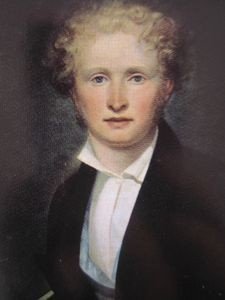
Raymond Bonheur
1796 - 1849, Francia
Datos rápidos sobre Raymond Bonheur
- Artistic Movement Or Style: Realismo, Saint-Simonianismo
- Artists Or Movements Influenced By This Artist:
- Rosa Bonheur
- Realismo
- Artists Who Influenced This Artist:
- Paulus Potter
- Aelbert Cuyp
- Date Of Birth: 1796
- Date Of Death: 1849
- Full Name: Oscar-Raymond Bonheur
- Nationality: Francés
- Notable Artworks:
- Arado en el Nivernais
- La feria de caballos
- Place Of Birth: Burdeos, Francia
Biografía del artista
Raymond Bonheur: El Cimiento Silencioso de un Legado
Raymond Bonheur (1796–1849) permanece como una figura algo sombría en los anales del arte del siglo XIX, a menudo eclipsada por la gloria de su hija, Rosa. Sin embargo, descartarlo como un mero actor secundario sería un error profundo. Él fue, de hecho, una influencia crucial; un pintor de paisajes y retratos profundamente arraigable en el saint-simonismo, un movimiento socialista cristiano utópico que moldeó profundamente su filosofía y enfoque artístico. Nacido en una familia con inclinaciones artísticas —su padre, Oscar-Raymond Bonheur, era él mismo un respetado pintor—, la vida de Raymond se desarrolló bajo el trasfondo de la Francia revolucionaria, un período marcado por la agitación social y el fermento intelectual. Sus primeros años transcurrieron en Burdeos, absorbiendo las tradiciones artísticas de la región mientras lidiaba simultáneamente con las complejidades de las creencias poco convencionales de su padre. El movimiento saint-simoniano, que abogaba por la reforma educativa y la armonía social a través del arte, inculcó en Raymond la creencia en el poder transformador de la creatividad y su potencial para contribuir a un mundo mejor. Esta convicción lo llevó a abandonar un camino profesional convencional para dedicarse por completo a la pintura, una decisión que, en última instancia, lo distanció de su familia y sus hijos. Su partida con la comunidad marcó un punto de inflexión significativo, uno que impactaría profundamente las vidas de aquellos que dejó atrás, incluida su joven hija Rosa.Un Pintor de Paisajes e Idealista Saint-Simoniano
El estilo artístico de Raymond se caracterizaba por una atención meticulosa al detalle y un profundo aprecio por el mundo natural. Se centró principalmente en la pintura de paisajes y el retrato, representando a menudo escenas de la vida rural con un realismo notable. Sus obras están imbuidas de una sensación de tranquilidad y armonía, reflejando el ideal saint-simoniano de unidad social e iluminación espiritual. A diferencia de muchos de sus contemporáneos, que buscaban grandes temas históricos o mitológicos, Raymond eligió capturar la belleza cotidiana del campo francés: colinas onduladas, campos verdes y pueblos encantadores. Su pincelada era precisa y controlada, transmitiendo una sensación de orden y equilibrio. Empleaba con frecuencia la perspectiva atmosférica para crear profundidad y distancia en sus composiones, plasmando con maestría los efectos de la luz y la sombra. Aunque no fue ampliamente exhibido durante su vida, las pinturas de Raymond eran admiradas por sus compañeros saint-simonianos, quienes reconocían el valor de su trabajo como una encarnación de sus principios filosóficos. Su dedicación a capturar la esencia de la naturaleza y promover la armonía social a través del arte estableció una base crucial para los futuros esfuerzos artísticos de Rosa Bonheur.La Influencia en el Desarrollo Artístico de Rosa Bonheur
El extraordinario éxito de Rosa Bonheur como pintora de animales se debe, en gran parte, a la influencia temprana de su padre. Raymond le proporcionó una educación artística sin igual, fomentando su talento innato e inculcándole un profundo amor por el mundo natural. La alentó a estudiar meticulosamente la anatomía animal, llevando a menudo animales vivos al estudio de su hogar para la observación y el boceto. Este enfoque práctico —una rareza para las jóvenes artistas de la época— permitió a Rosa desarrollar una comprensión profunda de la forma y el movimiento animal. Las propias pinturas de paisaje de Raymond sirvieron como modelos para Rosa, demostrando su técnica meticulosa y su apreciación por la perspectiva atmosférica. Además, le inculcó un fuerte sentido de autosuficiencia e independencia, cualidades que resultarían invaluables a lo largo de su carrera. Las creencias saint-simonianas de la familia también moldearon la visión artística de Rosa, animándola a representar a los animales con empatía y respeto, en lugar de como meros sujetos de estudio científico. A menudo se señala que la influencia de Raymond sobre Rosa no fue meramente técnica, sino profundamente filosófica, moldeando la manera en que ella abordaba su arte y su relación con el mundo natural.Una Familia Dividida: Pérdida y Reencuentro
La vida de Raymond Bonheur tomó un giro trágico cuando se unió a la comunidad saint-simoniana en 1839, dejando atrás a su esposa, Sophie, y a sus cuatro hijos. Esta decisión, impulsada por su compromiso con los ideales del movimiento, resultó en una dolorosa separación y, en última instancia, condujo a la muerte de Sophie a causa de la tuberculosis en 1833. El abandono de sus hijos creó una situación compleja y emocionalmente difícil. Envió a sus dos hijos a un internado, mientras que Rosa permaneció con su madre. Este período de aislamiento afectó profundamente la vida de Raymond, marcada por el arrepentimiento y un sentido de responsabilidad por las dificultades que había causado a su familia. Sorprendentemente, la dedicación de Raymond a la comunidad saint-simoniana no disminuyó; al contrario, se intensificó, llevándolo a dedicarse enteramente al arte. Años más tarde, tras la muerte de Sophie, Raymond regresó para cuidar de sus hijos, demostrando una notable capacidad de redención y un amor profundo que trascendió los años de separación. Esta conmovedora historia resalta el costo personal del compromiso ideológico y los vínculos inquebrantables de la familia.Legado y Significado Histórico
Si bien la producción artística propia de Raymond Bonheur fue relativamente modesta en comparación con la de su hija, su influencia en la carrera de Rosa Bonheur es innegable. Él le proporcionó una base sólida en el arte, le inculcó el amor por el mundo natural y fomentó su espíritu independiente. Su compromiso con los ideales saint-simonianos —que enfatizaban la educación, la armonía social y el poder transformador de la creatividad— moldeó la visión artística de ella y contribuyó a su éxito como una de las pintoras de animales más celebradas del siglo XIX. Además, la historia de Raymond sirve como un ejemplo convincente de un artista que desafió las expectativas convencionales y persiguió su pasión a pesar de las dificultades personales. Él representa una fuerza silenciosa pero significativa en la historia del arte francés: una figura fundacional cuyo legado continúa resonando a través de la obra de su extraordinaria hija, Rosa Bonheur. Su dedicación a capturar la belleza del mundo natural y promover la armonía social permanece como un testimonio del poder perdurable del arte como medio para expresar los valores y las aspiraciones humanas.Artículos relacionados

The Evocative Embrace of Reality: Exploring Romantic Realism in 19th-Century Painting
Explore the captivating world of Romantic Realism! Discover key artists like Courbet & Millet, masterpieces, and the social context behind this influential art movement. Expert insights for collectors at OriginalUniqueArt.
Rosa Bonheur: Realism, Rural Life & Redefining Women's Roles in 19th-Century Art
Explore the life & art of Rosa Bonheur, a pioneering Realist painter who redefined women's roles in 19th-century France. Discover her iconic animal paintings and lasting influence on art history. Learn more at OriginalUniqueArt.

Victorian Realism: The Raw, High-Definition Drama and Unflinching Truth of 19th-Century Masterpieces
Experience the raw, high-definition drama of Victorian Realism. Explore 19th-century masterpieces through our premium, hand-painted oil reproductions. Discover how the unflinching truth of historical art meets modern luxury to transform your space with timeless, museum-quality detail.

10 Obras Maestras del Realismo Romántico que Debes Conocer
Explora la emoción y el detalle del Realismo Romántico. Un viaje por 10 obras maestras que capturan la esencia humana con técnica y alma. Encuentra inspiración y reproducciones de calidad museo para tu hogar en OriginalUniqueArt.com. ¡Descubre toda la colección online!