 Vista previa
 Compartir
 Compartir
 Ver detalles

 Descargar
 Ver similares
 Radiografía
 Presentación de diapositivas
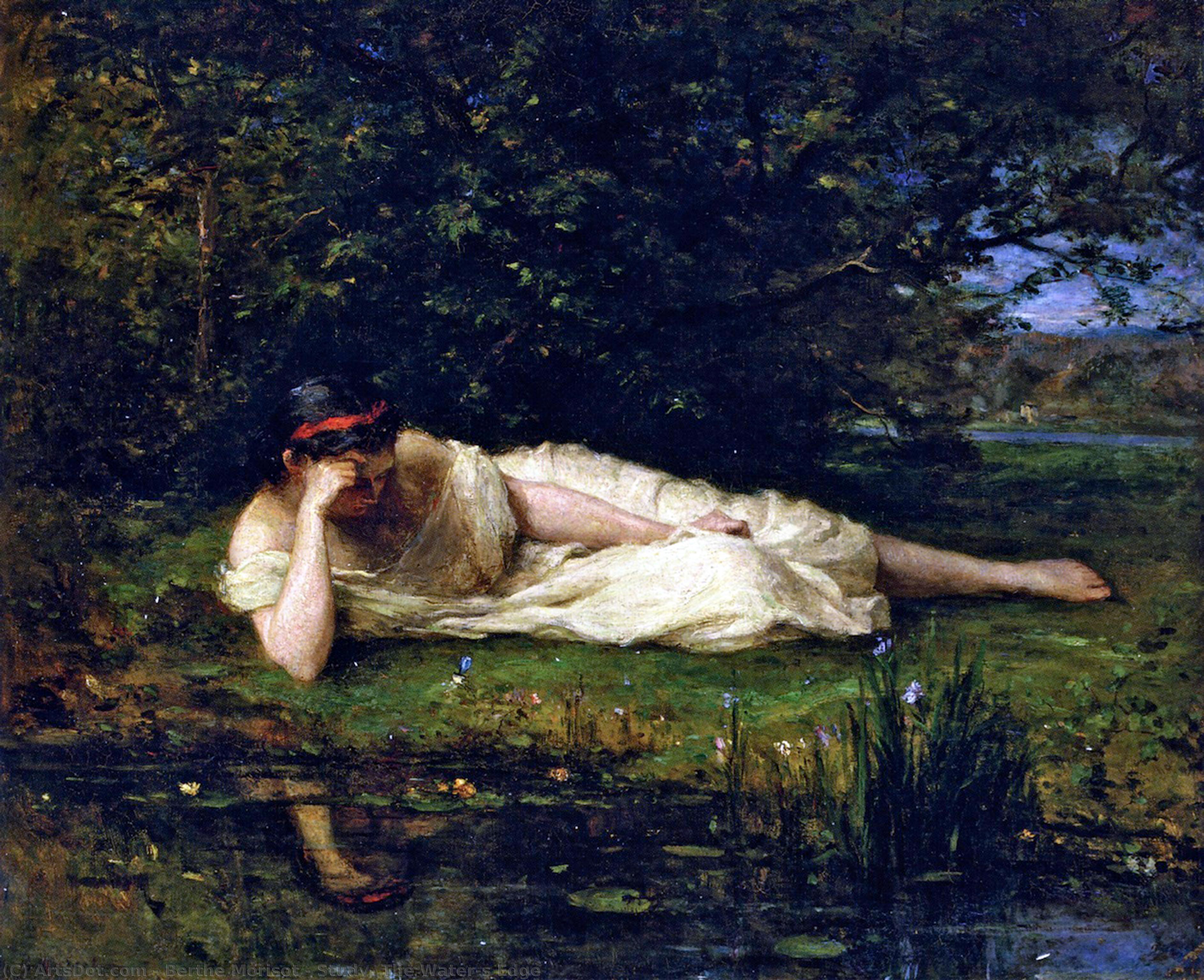
Study, The Water's Edge
 Oil On Canvas
- WallArt
- Impressionist Movement
 1864
1864- 19th Century
 60.0 x 73.0 cm
 Leer más
Giclée / Impresión de arte
Impresiones giclée o en lienzo de calidad de museo con producción rápida y opciones de acabado flexibles. ( Encargar reproducción pintada a mano Comprar descarga)




P118B $10

P118H $10

P118W $10

P438Z $10

P508JH $12

P508YH $12

P805H $10

P805Z $10

P919BZ $10

P919G $10

P919XJ $10

P959ZH $10

P968JZ $12

W106C $8

W218G $10

W218JH $8

W218Y $10

W307PJ $10

W316G $10

W316PJ $8

W316Y $10

W398PJ $8

W4111J $10

W500HY $15

W500JH $15

W692G $12

W849H $8

W940BG $15

W953PJ $8




Elija entre nuestros tamaños predefinidos que respetan las proporciones originales de la obra.

Puede introducir sus propias dimensiones para adaptarse a un marco o espacio específico. Si el tamaño seleccionado no coincide con las proporciones de la imagen original, recortaremos la obra de arte o extenderemos la imagen con un borde con efecto espejo o de color sólido. Se enviará una maqueta digital para su aprobación antes de que comience la producción.
Tenga en cuenta que la vista previa en pantalla no refleja el recorte o la extensión real. Solo la maqueta mostrará con precisión la composición final.
Aunque existen tamaños personalizados, recomendamos seleccionar una dimensión de la lista predefinida para preservar las proporciones originales.
Envío a todo el mundo () en 2 semanas en lugar de las 4/5 semanas estándar. (20 agosto)

Envío exprés gratuito a todo el mundo

Lienzo de lino de alta calidad

Seguro de envío completo

Garantía de reembolso de aranceles aduaneros

Garantía de fidelidad cromática exacta

Política de devolución de 60 días (solo por defectos)

Garantía de devolución del 100% del dinero

Oferta por volumen
 La opción de vidrio solo está disponible en tamaños inferiores a 110 cm.

Study, The Water's Edge
Giclée / Impresión de arte
Tamaño de la reproducción
-


Precio total
$ 80
Descripción de la pieza
A Moment of Quietude: Berthe Morisot's "Study, The Water’s Edge"
Berthe Morisot’s “Study, The Water’s Edge,” painted in 1864, is more than just a depiction of a serene lakeside scene; it’s an intimate glimpse into the heart of Impressionism. This small canvas – measuring 60 x 73 cm – vibrates with a delicate energy, capturing not just what Morisot saw but also the fleeting emotions and sensations of that particular moment. The painting immediately draws the viewer in with its soft palette and loose brushstrokes, hallmarks of the movement’s revolutionary approach to light and color. It's a testament to Morisot’s ability to transform everyday observations into profound statements about beauty and perception.
- Subject Matter: The composition centers around a woman reclining gracefully on the grass beside a tranquil body of water, likely a pond or small river. This wasn’t simply a portrait; it was an exploration of the female form within a natural setting – a theme central to Morisot's artistic concerns.
- Technique: Morisot employs a characteristic Impressionist technique, utilizing short, broken brushstrokes to build up color and texture. The paint isn’t blended smoothly; instead, it retains its individual marks, creating a shimmering effect that mimics the play of light on water and foliage. Notice how she captures the reflections, subtly distorting the landscape with each ripple.
- Color Palette: The dominant colors – muted greens, blues, and browns – evoke a sense of tranquility and harmony. Morisot’s masterful use of color creates an atmosphere of warmth and serenity, inviting the viewer to step into the scene.
Impressionism's Embrace of Light and Atmosphere
“Study, The Water’s Edge” exists within a pivotal moment in art history – the rise of Impressionism. Emerging in late 19th-century France, this movement challenged the established academic traditions that prioritized detailed realism and historical or mythological subjects. Instead, Impressionists like Morisot sought to capture the immediate sensory experience of the world, focusing on the effects of light and atmosphere at a specific moment in time. This painting exemplifies this approach perfectly; it’s not about rendering an accurate representation of the scene but rather conveying the *impression* of it – the feeling of warmth, stillness, and beauty.
Morisot's contemporaries, including Claude Monet and Pierre-Auguste Renoir, were equally invested in exploring these new artistic possibilities. Their shared interest in outdoor settings and their innovative techniques helped to shape the course of modern art. Studying Morisot’s work alongside theirs provides a deeper understanding of the movement’s core principles and its lasting impact.
Symbolism and Narrative
Beyond its technical brilliance, “Study, The Water’s Edge” possesses subtle layers of meaning. The woman's pose – reclining on the grass, seemingly lost in thought – invites contemplation about her inner life. The bird soaring above adds a touch of dynamism to the scene, suggesting freedom and escape. Even the inclusion of the hat with its feather hints at elegance and perhaps a connection to nature’s beauty. Morisot was interested in capturing not just appearances but also the emotional resonance of her subjects.
The setting itself – a quiet lakeside – has symbolic weight. Water is often associated with reflection, transformation, and the subconscious mind. The scene evokes a sense of peace and solitude, inviting the viewer to share in the artist’s contemplative mood.
A Timeless Masterpiece
"Study, The Water's Edge" remains a beloved work within the Impressionist canon, celebrated for its serene beauty and Morisot’s exceptional skill. It is a powerful reminder of the importance of capturing fleeting moments and appreciating the simple pleasures of nature. Its availability as a handmade oil painting reproduction ensures that this exquisite artwork can be enjoyed in any setting, bringing a touch of Impressionistic elegance to your home or office.
Biografía del artista
Primeros años y comienzos artísticos
Berthe Marie Pauline Morisot, pintora francesa, nació el 14 de enero de 1841 en Bourges, Francia. Provenía de una familia burguesa acomodada; su padre, Edmé Tiburce Morisot, era prefecto del departamento de Cher. Su madre, Marie-Joséphine-Cornélie Thomas, estaba relacionada con Jean-Honoré Fragonard, un destacado pintor rococó.Formación artística e influencias
Berthe, junto con sus hermanas Yves y Edma, recibió lecciones privadas de arte de Geoffroy-Alphonse Chocarne y Joseph Guichard. Esto marcó el comienzo de su viaje artístico. En 1857, Guichard las introdujo a la Galería del Louvre, donde aprendieron observando y copiando pinturas.Obras notables y exposiciones
La primera aparición de Berthe en el Salón de París fue en 1864 con dos pinturas de paisajes. Continuó mostrando su trabajo regularmente hasta 1873. En 1874, se unió a los impresionistas en su primera exposición, que incluyó artistas notables como Paul Cézanne, Edgar Degas y Claude Monet.- Mujer con vestido verde, un retrato llamativo, muestra su estilo único.
- Su participación en las exposiciones impresionistas consolidó su posición dentro del movimiento.
- Como una de "las tres grandes damas" del impresionismo, la obra de Berthe fue elogiada por críticos como Gustave Geffroy.
Vida personal y legado
Berthe se casó con Eugène Manet, hermano de su amigo y colega Édouard Manet. Su carrera madura comenzó en 1872, cuando Durand-Ruel compró veintidós de sus pinturas. Berthe eligió exhibir bajo su nombre de soltera completo, un testimonio de su independencia. Hechos clave:- Casada con Eugène Manet, hermano de Édouard Manet.
- Primera exposición impresionista en 1874.
- Fue descrita como "la verdadera impresionista" por un crítico de *Le Temps* en 1877.
Explora más en OriginalUniqueArt:

Berthe Morisot
1841 - 1895 , Francia
Datos clave
- Estilo Artístico: Impresionismo
- Fecha De Fallecimiento: 2 de marzo de 1895
- Fecha De Nacimiento: 14 de enero de 1841
- Influencias Artísticas:
- Camille Corot
- Édouard Manet
- Lugar De Nacimiento: Bourges, Francia
- Nacionalidad: Francesa
- Nombre Completo: Berthe Morisot
- Obras Notables:
- El Bebé
- Un Rincón del Jardín
- Retrato de una Mujer
Artículos relacionados
Claude Monet: Las 25 Obras Maestras del Impresionismo para Decorar tu Hogar con Arte
Descubre las 25 obras maestras de Claude Monet, el padre del impresionismo. Explora la historia, técnica y belleza de sus paisajes, nenúfares y 'Impresión, sole levant'. Encuentra reproducciones de arte exclusivas en OriginalUniqueArt.com.
Fluid Reflections: Exploring Water's Symbolism in Art History – From Myth to Impressionism
Explore the rich symbolism of water in art history – from ancient myths to Impressionism's fleeting beauty. Discover masterpieces & find your perfect serene artwork with OriginalUniqueArt.com.
Leonardo da Vinci: Las 25 Obras Maestras que Definieron un Genio | OriginalUniqueArt
Descubre las 25 obras maestras de Leonardo da Vinci, desde la Mona Lisa hasta La Última Cena. Explora su arte renacentista, técnicas innovadoras y el legado del genio italiano. Reproducciones de alta calidad para decorar tu hogar con belleza y historia en OriginalUniqueArt.com.

Los 10 Maestros del Paisaje Impresionista: Obras que Cambiaron la Historia del Arte
Descubre los 10 lienzos impresionistas que revolucionaron el arte. Explora la historia de Monet, Van Gogh y Renoir, sus técnicas y colores vibrantes. Encuentra reproducciones de alta calidad para decorar tu hogar en OriginalUniqueArt.com

Serene Waters: A Curated Journey Through the World's Most Iconic Water Lily Masterpieces
Embark on a visual journey through Claude Monet's most iconic water lily masterpieces. Discover the profound beauty of Impressionism, explore the evolution of Giverny's light, and learn how to bring these serene, museum-quality landscapes into your private collection.