Ver en contexto
 Enviar
 Compartir
 Detalles
 Guía
Guía

 Descargar
 Similares
 Radiografía
 Presentación de diapositivas
 Q&A
Q&A Estadísticas
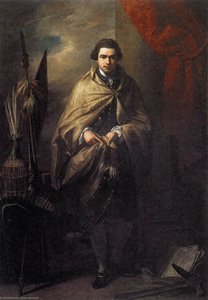
The Drummond Brothers


 Ver más
Giclée / Impresión de arte
Impresiones giclée o en lienzo de calidad de museo con producción rápida y opciones de acabado flexibles. ( Comprar pintura hecha a mano Cambiar a imagen digital)




P118B €10

P118H €10

P118W €10

P438Z €10

P508JH €12

P508YH €12

P805H €10

P805Z €10

P919BZ €10

P919G €10

P919XJ €10

P959ZH €10

P968JZ €12

W106C €8

W218G €10

W218JH €8

W218Y €10

W307PJ €10

W316G €10

W316PJ €8

W316Y €10

W398PJ €8

W4111J €10

W500HY €15

W500JH €15

W692G €12

W849H €8

W940BG €15

W953PJ €8




Elija entre nuestros tamaños predefinidos que respetan las proporciones originales de la obra.

Introduzca el ancho y el alto que necesite para adaptarse a su marco o pared. Una impresión solo puede recortarse, nunca hacerse más grande que la imagen original, por lo que un tamaño con una forma distinta perderá parte de la obra. Le enviaremos una maqueta digital para su aprobación antes de realizar cualquier impresión. La imagen que se muestra en esta página no refleja el recorte real; solo la maqueta lo hace.
Envío a todo el mundo () en 2 semanas en lugar de las 4/5 semanas estándar. (31 octubre)

Envío exprés gratuito a todo el mundo

Lienzo de lino de alta calidad

Seguro de envío total

Garantía de reembolso de aranceles aduaneros

Garantía de fidelidad cromática exacta

Política de devolución de 100 días (solo por defectos)

Garantía de devolución del 100% del dinero

Descuento por cantidad
 La opción de vidrio solo está disponible en tamaños inferiores a 110 cm.

The Drummond Brothers
Giclée / Impresión de arte
Dimensiones de la reproducción
-


Precio total final
€ 71
Benjamin West (1738-1820): A Pioneer Bridging Worlds
Benjamin West was considered the most prominent artist in the English-speaking world of the late Eighteenth Century. Born in 1738 near Springfield, Pennsylvania, the youngest of ten children, West manifested a talent for painting at an early age, and was encouraged to draw by his parents. By fifteen he was already recognized for his talent in portraiture, and by 1756 had attracted the attention of Dr. William Smith, provost of the College of Philadelphia, who enrolled him in the school and devised a special program of classical studies for him. These early studies instilled within him a spirit of innovation that would characterize his entire career. He quickly established himself as a sought-after portraitist in Philadelphia and New York, but a thirst for deeper artistic knowledge propelled him From humble beginnings—his father an innkeeper—West’s innate talent was nurtured by exposure to Native American art forms before receiving formal training. This unconventional start fueled his ambition to master the techniques of European masters, particularly those practicing Neoclassicism. He embarked on a transformative journey to Italy in 1760, immersing himself in the artistic fervor of Rome, Florence, and Venice, where he honed his skills under renowned instructors and absorbed the ideals of Enlightenment thought. This formative experience would profoundly influence his subsequent work, shaping his stylistic choices and thematic concerns.- Style: West’s oeuvre is predominantly characterized by Neoclassicism, a movement that sought to revive the grandeur and moral seriousness of Classical antiquity—specifically Greek and Roman art—as a reaction against the excesses of Rococo. He meticulously adhered to idealized forms and balanced compositions, reflecting the humanist values championed during the Enlightenment era.
- Technique: West excelled in oil painting on canvas, utilizing meticulous brushwork and subtle tonal gradations to achieve remarkable realism and depth. His mastery of chiaroscuro—the dramatic interplay between light and shadow—created a palpable sense of atmosphere and conveyed profound emotional resonance within his subjects.
The Drummond Brothers: A Portrait Steeped in Symbolism
“The Drummond Brothers” depicts two men standing side by side, one gesturing emphatically towards the other. The man on the left holds his hand aloft, conveying authority and perhaps a desire to direct attention—a gesture common in portraits of prominent figures during West’s time. Simultaneously, the man on the right looks downward, suggesting humility or contemplation. These postures are carefully considered, reflecting broader societal ideals about leadership and virtue prevalent in the mid-18th century. The painting's setting contributes significantly to its symbolic meaning. The inclusion of a chair, dining table, and clock underscores themes of domestic tranquility and intellectual pursuits—values highly esteemed by West’s aristocratic patrons. These objects serve as visual anchors, grounding the figures within a recognizable social context while simultaneously hinting at deeper philosophical ideas about time, memory, and human experience.Historical Context & Legacy
Painted in 1767, “The Drummond Brothers” emerged during a period of considerable artistic ferment—the burgeoning Neoclassical movement was reshaping European art and culture. West’s work aligns with the broader intellectual currents of the Enlightenment, which emphasized reason, observation, and moral responsibility. He skillfully captured the spirit of his era, reflecting its fascination with classical ideals and its commitment to portraying human dignity and virtue. West's influence extended far beyond his own lifetime. He served as president of the Royal Academy of Arts for decades, fostering a vibrant artistic community and championing innovative approaches to painting. His students included luminaries such as Charles Willson Peale, Gilbert Stuart, and John Trumbull—artists who would carry West’s stylistic legacy into subsequent generations. Today, “The Drummond Brothers” remains a testament to West's artistic genius and his enduring contribution to the history of art. Its meticulous realism, balanced composition, and subtle symbolism continue to inspire admiration and provoke contemplation among viewers worldwide.Where to Find Reproductions
You can admire this masterpiece in high-resolution reproductions at William Vareika Fine Arts LTD: https://vareikafinearts.com/product/the-drummond-brothers/Preguntas y respuestas
¿Está "The Drummond Brothers" disponible como una impresión de bellas artes?
Puede solicitar una impresión de "The Drummond Brothers" de Benjamin West directamente en su página de Impresión de arte de bellas artes: una impresión de bellas artes sobre lienzo de algodón o papel de lienzo de archivo.
¿Es "The Drummond Brothers" de Benjamin West una obra de tonos claros u oscuros?
"The Drummond Brothers" presenta un brillo general de deep_shadow y una luminancia de Dark.
¿De qué manera "The Drummond Brothers" de Benjamin West vincula el Neoclassical Movement con el país de origen del artista?
"The Drummond Brothers" fue creada por Benjamin West, nacido en Estados Unidos de América, dentro del movimiento Neoclassical Movement. El origen del artista vincula la obra al Neoclassical Movement tal como lo practicaban los artistas de Estados Unidos de América.
Biografía del artista
Benjamin West: Un Pionero del Arte Americano
- Nacido: 10 de octubre de 1738, Springfield, Estados Unidos de América
- Fallecido: 11 de marzo de 1820
Primeros Años y Desarrollo Artístico
- Benjamin West nació en una familia modesta en Springfield, Pensilvania. Su padre regentaba una posada, y la familia posteriormente se mudó a Newtown Square.
- West demostró un talento artístico notable desde temprana edad, aparentemente aprendiendo técnicas de pintura rudimentarias de los nativos americanos.
- Recibió una educación formal limitada pero persiguió su pasión artística de forma independiente.
- Su carrera inicial se centró en el retrato en Pensilvania.
- Un momento crucial llegó con el estímulo para pintar "La Muerte de Sócrates", que difirió significativamente del grabado original y marcó un punto de inflexión en su carrera.
- En 1760, viajó a Italia, estudiando directamente las obras de maestros como Tiziano y Rafael, y encontrándose con artistas neoclásicos como Anton Rafael Mengs, Gavin Hamilton y Angelica Kauffman.
Carrera en Londres y la Royal Academy
- West se mudó a Londres en 1763 y rápidamente se convirtió en una figura destacada dentro de la escena artística británica.
- Fue elegido miembro de la Royal Academy y posteriormente sirvió como su presidente desde 1792 hasta su muerte en 1820.
- Sus pinturas históricas, como "La Partida de Regulus", obtuvieron un considerable reconocimiento, lo que le valió el apodo de “el Rafael americano”.
- Defendió un estilo que incorporaba la ropa contemporánea en escenas históricas, notablemente evidente en "La Muerte del General Wolfe", que desafió las convenciones artísticas tradicionales y provocó debates.
Estilo Artístico y Obras Principales
- El estilo de West evolucionó desde influencias neoclásicas tempranas para incorporar elementos del Romanticismo más adelante en su carrera.
- Obras notables incluyen:
- La Muerte del General Wolfe (1770) – Una obra innovadora que mezclaba la narrativa histórica con el vestuario contemporáneo.
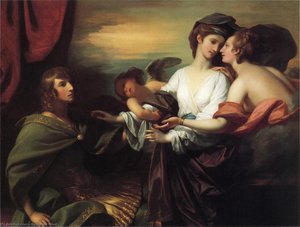
- Tetis Trayendo la Armadura a Aquiles – Demuestra dominio de los temas clásicos y la composición.
- Las Tres Hermanas – Exhibe su capacidad para retratar sujetos alegóricos.
- El Asombro de Astyanax – Una representación dramática de una escena mitológica.
- La Cueva del Despair – Ejemplifica su estilo romántico en evolución.
- Su obra se caracteriza por su ambición, composición detallada y exploración de temas históricos y mitológicos.
Legado y Significado Histórico
- Benjamin West dejó un impacto duradero en el arte americano, pionero del género de la pintura histórica e influyendo en generaciones de artistas.
- Jugó un papel crucial en la configuración de la identidad de la expresión artística estadounidense.
- Su presidencia de la Royal Academy contribuyó significativamente al desarrollo del arte británico.
- El legado de West se extiende más allá de sus obras individuales; fomentó un entorno que alentó y apoyó a los artistas estadounidenses emergentes que estudiaban en el extranjero, incluyendo Allston, Copley y Morse.
- Su enfoque innovador de la pintura histórica allanó el camino para futuros movimientos artísticos y continúa inspirando a artistas contemporáneos y entusiastas del arte.

Benjamin West
1738 - 1820 , Estados Unidos de América
Datos clave
- Artistas Influenciados:
- Edward W. J. Savage
- Copley
- Allston
- Morse
- Artistas Que Influyeron:
- Tiziano
- Rafael
- Fecha De Fallecimiento: 11 de marzo de 1820
- Fecha De Nacimiento: 10 de octubre de 1738
- Lugar De Nacimiento: Springfield, EE. UU.
- Movimiento Artístico: Neoclasicismo, pintura histórica
- Nacionalidad: Estadounidense
- Nombre Completo: Benjamin West
- Obras Notables:
- La muerte del General Wolfe
- Tetis trayendo la armadura
- Las tres hermanas
- El pánico de Astyanax
- La cueva del Despair
Artículos relacionados

Illuminating the Enlightenment: Artistic Expression in 18th-Century Europe
Explore the artistic brilliance of the Enlightenment era! Discover Rococo's elegance & Neoclassicism’s virtue with expert insights into 18th-century masterpieces. Learn about David, Kauffmann & more.
Illuminating the Enlightenment: Art & Sociopolitical Context of the 18th Century
Explore the art of the Enlightenment! Discover Rococo's elegance, Neoclassicism’s virtue, & David’s revolutionary masterpieces. Uncover the sociopolitical context shaping 18th-century European painting.
Neoclassicism Explained: The Timeless Elegance of Order, Reason, and the Classical Ideal
Explore the profound elegance of Neoclassicism. Discover how the Enlightenment era embraced Greek and Roman ideals of order, reason, and symmetry to redefine art history through masters like Mengs and Hamilton. A definitive guide for history lovers and art collectors.

Benjamin West: Transatlantic Ambition & Shaping American Art
Explore the life & legacy of Benjamin West, pioneering American artist and Royal Academy president. Discover his Neoclassical masterpieces, transatlantic influence, and lasting impact on art history. Learn more at OriginalUniqueArt.

The Enduring Legacy of Formal Portraiture: Power, Identity & Artistic Exploration
Explore the rich history of formal portraiture & its enduring power to capture identity and shape perception. Discover investment-worthy artworks, expert appraisals, and custom reproduction services at OriginalUniqueArt.