Vista previa
 Compartir
 Compartir
 Ver detalles

 Descargar
 Ver similares
 Radiografía
 Presentación de diapositivas
Lot Fleeing from Sodom


 Leer más
Reproducción al óleo hecha a mano
Óleo sobre lienzo pintado a mano en el tamaño y marco de su elección, realizado por encargo por nuestros artistas. ( Pedir impresión Comprar descarga)




P118B $10

P118H $10

P118W $10

P438Z $10

P508JH $12

P508YH $12

P805H $10

P805Z $10

P919BZ $10

P919G $10

P919XJ $10

P959ZH $10

P968JZ $12

W106C $8

W218G $10

W218JH $8

W218Y $10

W307PJ $10

W316G $10

W316PJ $8

W316Y $10

W398PJ $8

W4111J $10

W500HY $15

W500JH $15

W692G $12

W849H $8

W940BG $15

W953PJ $8




Elija entre nuestros tamaños predefinidos que respetan las proporciones originales de la obra.

Puede ingresar sus propias dimensiones para adaptarse a un marco o espacio específico. Si el tamaño seleccionado no coincide con las proporciones de la imagen original, recortaremos la obra o extenderemos la pintura con elementos adicionales pintados a mano. Se le enviará una maqueta digital para su aprobación antes de comenzar la producción.
Tenga en cuenta que la vista previa en pantalla no refleja el recorte o la extensión reales. Solo la maqueta mostrará con precisión la composición final.
Si bien existen tamaños personalizados, recomendamos seleccionar una dimensión de la lista predefinida para preservar las proporciones originales.
Tras realizar el pedido, el equipo de OriginalUniqueArt.com enviará un correo electrónico al cliente para solicitar instrucciones y proporcionarle una vista previa del boceto.
Envío a todo el mundo () en 3-4 semanas en lugar de las 5 semanas estándar. (22 agosto). Sin comprometer la calidad.

Envío exprés gratuito a todo el mundo

Lienzo de lino de alta calidad

Seguro de envío completo

Garantía de reembolso de aranceles aduaneros

Garantía de fidelidad cromática exacta

Política de devolución de 60 días (solo por defectos)

Garantía de devolución del 100% del dinero

Oferta por volumen
 La opción de vidrio solo está disponible en tamaños inferiores a 110 cm.

Lot Fleeing from Sodom
Técnica de reproducción
Tamaño de la reproducción
-


Precio total
$ 300
Descripción de la obra
The Dramatic Flight from Sodom: Benjamin West’s Vision of Divine Judgment
Benjamin West's "Lot Fleeing from Sodom," painted in 1810, is not merely a biblical scene; it’s a visceral portrayal of impending doom and the agonizing choice between obedience and despair. This monumental canvas, now residing within the Detroit Institute of Arts, immediately commands attention with its dynamic composition and masterful use of chiaroscuro – the dramatic interplay of light and shadow that defines Baroque painting. West, a pivotal figure bridging the Neoclassical and Romantic movements, expertly captures the raw emotion of this pivotal moment from Genesis, imbuing it with an intensity rarely seen in earlier depictions.
The scene unfolds with breathtaking urgency. Lot, rendered as a figure of profound distress, is depicted fleeing alongside his family, desperately attempting to escape the fiery destruction raining down upon Sodom and Gomorrah. The composition’s diagonal thrust – the path leading upwards towards the radiant cloud of divine wrath – creates an immediate sense of movement and instability. West doesn't shy away from the horror; the landscape itself is rendered in turbulent brushstrokes, mirroring the chaos unfolding above. The dark forest to the left, a symbol of earthly corruption and sin, contrasts sharply with the golden meadow on the right, representing a fleeting glimpse of hope and divine grace – a visual metaphor for the precarious balance between salvation and damnation.
A Baroque Masterpiece: Technique and Composition
West’s technical skill is immediately apparent in his meticulous rendering of drapery. The voluminous robes of Lot and his family billow dramatically, conveying both their vulnerability and their desperate flight. Notice how the light catches the folds, highlighting key figures while plunging others into deep shadow – a hallmark of Baroque painting. The artist employs a flattened perspective, characteristic of the era, yet skillfully uses atmospheric haze to create depth and suggest the vastness of the landscape. This technique, combined with carefully placed diagonals, draws the viewer’s eye directly into the heart of the drama.
Furthermore, West's use of impasto – applying paint thickly to the canvas – adds a remarkable textural quality to the work. The highlights shimmer and glow, while the shadowed areas possess a palpable weight, enhancing the sense of immediacy and emotional intensity. The color palette is dominated by warm tones—golds, browns, and reds—contrasting dramatically with the cooler blues and greens of the landscape, further emphasizing the conflict between earthly desires and divine judgment.
Symbolism and Narrative Depth
Beyond its dramatic depiction of a biblical event, “Lot Fleeing from Sodom” is rich in symbolic meaning. The cloud above represents heaven, a source of both terrifying power and potential redemption. Lot’s hesitant glance back at the doomed city – a direct violation of God's command – embodies human weakness and the enduring temptation to cling to familiar comforts even in the face of overwhelming peril. This single, forbidden look is the crux of the narrative; it’s not simply an act of curiosity but a testament to Lot’s inability to fully relinquish his earthly attachments.
The story itself carries profound theological weight. It serves as a cautionary tale about the consequences of disobedience and the importance of heeding divine warnings. Lot's fate – transformed into a pillar of salt—is a potent symbol of irreversible damnation, a lasting reminder of the price of succumbing to temptation. The painting’s enduring power lies in its ability to evoke not just a historical event but also universal themes of faith, doubt, and the struggle between good and evil.
A Legacy of Artistic Influence
Benjamin West's "Lot Fleeing from Sodom" stands as a testament to his artistic genius and his profound understanding of human emotion. His work profoundly influenced subsequent generations of artists, particularly in the realm of historical painting. His dramatic compositions, masterful use of light and shadow, and ability to imbue biblical narratives with psychological depth continue to resonate with viewers today. Reproductions of this powerful image offer a captivating glimpse into a pivotal moment in Western art history—a timeless depiction of human drama and divine judgment.
Biografía del artista
Benjamin West: Un Pionero del Arte Americano
- Nacido: 10 de octubre de 1738, Springfield, Estados Unidos de América
- Fallecido: 11 de marzo de 1820
Primeros Años y Desarrollo Artístico
- Benjamin West nació en una familia modesta en Springfield, Pensilvania. Su padre regentaba una posada, y la familia posteriormente se mudó a Newtown Square.
- West demostró un talento artístico notable desde temprana edad, aparentemente aprendiendo técnicas de pintura rudimentarias de los nativos americanos.
- Recibió una educación formal limitada pero persiguió su pasión artística de forma independiente.
- Su carrera inicial se centró en el retrato en Pensilvania.
- Un momento crucial llegó con el estímulo para pintar "La Muerte de Sócrates", que difirió significativamente del grabado original y marcó un punto de inflexión en su carrera.
- En 1760, viajó a Italia, estudiando directamente las obras de maestros como Tiziano y Rafael, y encontrándose con artistas neoclásicos como Anton Rafael Mengs, Gavin Hamilton y Angelica Kauffman.
Carrera en Londres y la Royal Academy
- West se mudó a Londres en 1763 y rápidamente se convirtió en una figura destacada dentro de la escena artística británica.
- Fue elegido miembro de la Royal Academy y posteriormente sirvió como su presidente desde 1792 hasta su muerte en 1820.
- Sus pinturas históricas, como "La Partida de Regulus", obtuvieron un considerable reconocimiento, lo que le valió el apodo de “el Rafael americano”.
- Defendió un estilo que incorporaba la ropa contemporánea en escenas históricas, notablemente evidente en "La Muerte del General Wolfe", que desafió las convenciones artísticas tradicionales y provocó debates.
Estilo Artístico y Obras Principales
- El estilo de West evolucionó desde influencias neoclásicas tempranas para incorporar elementos del Romanticismo más adelante en su carrera.
- Obras notables incluyen:
- La Muerte del General Wolfe (1770) – Una obra innovadora que mezclaba la narrativa histórica con el vestuario contemporáneo.
- Tetis Trayendo la Armadura a Aquiles – Demuestra dominio de los temas clásicos y la composición.
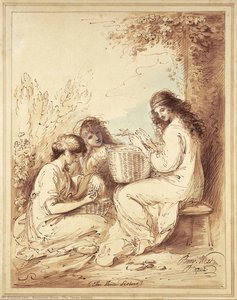
- Las Tres Hermanas – Exhibe su capacidad para retratar sujetos alegóricos.
- El Asombro de Astyanax – Una representación dramática de una escena mitológica.
- La Cueva del Despair – Ejemplifica su estilo romántico en evolución.
- Su obra se caracteriza por su ambición, composición detallada y exploración de temas históricos y mitológicos.
Legado y Significado Histórico
- Benjamin West dejó un impacto duradero en el arte americano, pionero del género de la pintura histórica e influyendo en generaciones de artistas.
- Jugó un papel crucial en la configuración de la identidad de la expresión artística estadounidense.
- Su presidencia de la Royal Academy contribuyó significativamente al desarrollo del arte británico.
- El legado de West se extiende más allá de sus obras individuales; fomentó un entorno que alentó y apoyó a los artistas estadounidenses emergentes que estudiaban en el extranjero, incluyendo Allston, Copley y Morse.
- Su enfoque innovador de la pintura histórica allanó el camino para futuros movimientos artísticos y continúa inspirando a artistas contemporáneos y entusiastas del arte.

Benjamin West
1738 - 1820 , Estados Unidos de América
Datos clave
- Artistas Influenciados:
- Edward W. J. Savage
- Copley
- Allston
- Morse
- Artistas Que Influyeron:
- Tiziano
- Rafael
- Fecha De Fallecimiento: 11 de marzo de 1820
- Fecha De Nacimiento: 10 de octubre de 1738
- Lugar De Nacimiento: Springfield, EE. UU.
- Movimiento Artístico: Neoclasicismo, pintura histórica
- Nacionalidad: Estadounidense
- Nombre Completo: Benjamin West
- Obras Notables:
- La muerte del General Wolfe
- Tetis trayendo la armadura
- Las tres hermanas
- El pánico de Astyanax
- La cueva del Despair
Artículos relacionados

Celestial Messengers: Angels in Painting – A Historical & Artistic Exploration
Explore the captivating history of angels in painting! Discover symbolism, iconic Renaissance & Byzantine masterpieces, and renowned artists. Expert insights for art lovers & collectors at OriginalUniqueArt.

Celestial Messengers: A Comprehensive Exploration of Angelic Representation in Art History
Explore the captivating history of angels in art! Discover symbolism, iconic Renaissance masterpieces & renowned artists. Expert insights for art lovers & collectors at OriginalUniqueArt.

Benjamin West: Transatlantic Ambition & Shaping American Art
Explore the life & legacy of Benjamin West, pioneering American artist and Royal Academy president. Discover his Neoclassical masterpieces, transatlantic influence, and lasting impact on art history. Learn more at OriginalUniqueArt.

Drama Barroca: Llevando la Grandeza y la Emoción a los Interiores Contemporáneos
Descubre cómo el drama y la grandeza del arte barroco pueden transformar tus interiores. Guía experta, inspiración y reproducciones de alta calidad en .

The Dramatic Flourish: Exploring the Baroque Movement's Enduring Legacy in Art History
Explore the dramatic world of Baroque art! Discover iconic artists like Caravaggio & Rubens, defining techniques, and its lasting impact on art history. Expert insights for collectors & enthusiasts at OriginalUniqueArt.