Vista previa
 Compartir
 Compartir
 Ver detalles
 Guía
Guía

 Descargar
 Ver artículos similares
 Radiografía
 Presentación de diapositivas
 Estadísticas
Eduardo III cruzando el Somme
 Óleo sobre lienzo
- Arte de pared
- Neoclasicismo
 1788
1788- Baja Edad Media
 137.0 x 149.0 cm
 Colección Real
 Leer más
Giclée / Impresión de arte
Impresiones giclée o en lienzo de calidad de museo con producción rápida y opciones de acabado flexibles. ( Encargar reproducción pintada a mano Ver versión en imagen digital)




P118B $10

P118H $10

P118W $10

P438Z $10

P508JH $12

P508YH $12

P805H $10

P805Z $10

P919BZ $10

P919G $10

P919XJ $10

P959ZH $10

P968JZ $12

W106C $8

W218G $10

W218JH $8

W218Y $10

W307PJ $10

W316G $10

W316PJ $8

W316Y $10

W398PJ $8

W4111J $10

W500HY $15

W500JH $15

W692G $12

W849H $8

W940BG $15

W953PJ $8




Elija entre nuestros tamaños predefinidos que respetan las proporciones originales de la obra.

Puede introducir sus propias dimensiones para adaptarse a un marco o espacio específico. Si el tamaño seleccionado no coincide con las proporciones de la imagen original, recortaremos la obra de arte o extenderemos la imagen con un borde con efecto espejo o de color sólido. Se enviará una maqueta digital para su aprobación antes de que comience la producción.
Tenga en cuenta que la vista previa en pantalla no refleja el recorte o la extensión real. Solo la maqueta mostrará con precisión la composición final.
Aunque existen tamaños personalizados, recomendamos seleccionar una dimensión de la lista predefinida para preservar las proporciones originales.
Envío a todo el mundo () en 2 semanas en lugar de las 4/5 semanas estándar. (21 septiembre)

Envío exprés gratuito a todo el mundo

Lienzo de lino de alta calidad

Seguro de envío completo

Garantía de reembolso de impuestos aduaneros

Garantía de fidelidad cromática exacta

Política de devolución de 100 días (solo por defectos)

Garantía de devolución del 100% del dinero

Oferta por volumen
 La opción de vidrio solo está disponible en tamaños inferiores a 110 cm.

Eduardo III cruzando el Somme
Giclée / Impresión de arte
Tamaño de la reproducción
-


Precio total
$ 80
A Vision of Valor: The Grandeur of Edward III Crossing the Somme
In the sweeping expanse of Benjamin West’s 1788 masterpiece, Edward III Crossing the Somme, history is not merely recorded; it is resurrected with a profound sense of theatricality and noble purpose. This monumental oil on canvas serves as a breathtaking window into the Hundred Years’ War, capturing the precise moment when King Edward III led his resolute forces across the River Somme in preparation for the legendary Battle of Crécy. As the eye wanders through the composition, one is immediately struck by the palpable tension and the rhythmic movement of cavalry and infantry navigating the treacherous terrain. West does not simply present a military maneuver; he orchestrates a symphony of human drama, where the clatter of hooves and the glint of steel seem to echo from the very depths of the canvas.
The artist, an American-born pioneer who became the historical painter to the British court, utilizes the tenets of Neoclassicism to imbue this chaotic battlefield with a sense of divine order and moral clarity. Through meticulous brushwork and a sophisticated use of tonal gradation, West achieves a remarkable balance between gritty realism and idealized heroism. The light falls upon the figures with a deliberate, sculptural quality, highlighting the resolute expressions of the King and his son, Prince Edward, amidst the swirling dust and river mist. This technique ensures that while the scene is filled with the movement of many, the focus remains anchored on the central figures of leadership, making the painting an ideal centerpiece for those seeking to evoke a sense of strength and stability in a curated space.
Symbolism and the Spirit of an Era
Beyond its surface-level depiction of medieval warfare, the painting is a dense tapestry of symbolic meaning, designed to inspire awe and reinforce the legitimacy of royal authority. Commissioned by George III for the audience room at Windsor Castle, every element was intended to resonate with the concept of virtuous leadership. The Royal Standard, held aloft against the sky, serves as a powerful emblem of loyalty and the unbreakable bond between the monarch and his subjects. Even the landscape itself—the crossing of the river—acts as a metaphor for overcoming insurmountable obstacles through courage and steadfastness. For the discerning collector or interior designer, this work offers more than mere decoration; it provides a narrative of triumph that can transform the atmosphere of a room into one of prestige and historical depth.
The historical context of the late 18th century further enriches the viewing experience. Created during a period of intense British patriotism, West’s work tapped into the collective consciousness of an era looking toward its glorious past to navigate an uncertain future. The painting captures the spirit of English ascendancy, portraying a moment where bravery and strategic brilliance converged to change the course of European history. To possess a reproduction of such a piece is to invite a conversation about legacy, duty, and the enduring power of the human spirit. It is a work that commands attention, inviting viewers to lose themselves in the shadows of the past while finding inspiration in the timeless light of heroism.
Biografía del artista
Benjamin West: Un Pionero del Arte Americano
- Nacido: 10 de octubre de 1738, Springfield, Estados Unidos de América
- Fallecido: 11 de marzo de 1820
Primeros Años y Desarrollo Artístico
- Benjamin West nació en una familia modesta en Springfield, Pensilvania. Su padre regentaba una posada, y la familia posteriormente se mudó a Newtown Square.
- West demostró un talento artístico notable desde temprana edad, aparentemente aprendiendo técnicas de pintura rudimentarias de los nativos americanos.
- Recibió una educación formal limitada pero persiguió su pasión artística de forma independiente.
- Su carrera inicial se centró en el retrato en Pensilvania.
- Un momento crucial llegó con el estímulo para pintar "La Muerte de Sócrates", que difirió significativamente del grabado original y marcó un punto de inflexión en su carrera.
- En 1760, viajó a Italia, estudiando directamente las obras de maestros como Tiziano y Rafael, y encontrándose con artistas neoclásicos como Anton Rafael Mengs, Gavin Hamilton y Angelica Kauffman.
Carrera en Londres y la Royal Academy
- West se mudó a Londres en 1763 y rápidamente se convirtió en una figura destacada dentro de la escena artística británica.
- Fue elegido miembro de la Royal Academy y posteriormente sirvió como su presidente desde 1792 hasta su muerte en 1820.
- Sus pinturas históricas, como "La Partida de Regulus", obtuvieron un considerable reconocimiento, lo que le valió el apodo de “el Rafael americano”.
- Defendió un estilo que incorporaba la ropa contemporánea en escenas históricas, notablemente evidente en "La Muerte del General Wolfe", que desafió las convenciones artísticas tradicionales y provocó debates.
Estilo Artístico y Obras Principales
- El estilo de West evolucionó desde influencias neoclásicas tempranas para incorporar elementos del Romanticismo más adelante en su carrera.
- Obras notables incluyen:
- La Muerte del General Wolfe (1770) – Una obra innovadora que mezclaba la narrativa histórica con el vestuario contemporáneo.
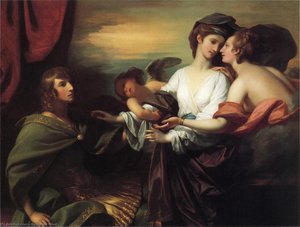
- Tetis Trayendo la Armadura a Aquiles – Demuestra dominio de los temas clásicos y la composición.
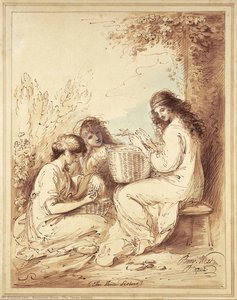
- Las Tres Hermanas – Exhibe su capacidad para retratar sujetos alegóricos.
- El Asombro de Astyanax – Una representación dramática de una escena mitológica.
- La Cueva del Despair – Ejemplifica su estilo romántico en evolución.
- Su obra se caracteriza por su ambición, composición detallada y exploración de temas históricos y mitológicos.
Legado y Significado Histórico
- Benjamin West dejó un impacto duradero en el arte americano, pionero del género de la pintura histórica e influyendo en generaciones de artistas.
- Jugó un papel crucial en la configuración de la identidad de la expresión artística estadounidense.
- Su presidencia de la Royal Academy contribuyó significativamente al desarrollo del arte británico.
- El legado de West se extiende más allá de sus obras individuales; fomentó un entorno que alentó y apoyó a los artistas estadounidenses emergentes que estudiaban en el extranjero, incluyendo Allston, Copley y Morse.
- Su enfoque innovador de la pintura histórica allanó el camino para futuros movimientos artísticos y continúa inspirando a artistas contemporáneos y entusiastas del arte.

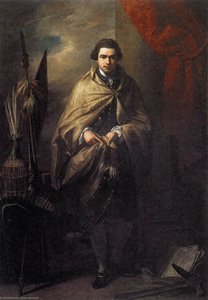
Benjamin West
1738 - 1820 , Estados Unidos de América
Datos clave
- Artistas Influenciados:
- Edward W. J. Savage
- Copley
- Allston
- Morse
- Artistas Que Influyeron:
- Tiziano
- Rafael
- Fecha De Fallecimiento: 11 de marzo de 1820
- Fecha De Nacimiento: 10 de octubre de 1738
- Lugar De Nacimiento: Springfield, EE. UU.
- Movimiento Artístico: Neoclasicismo, pintura histórica
- Nacionalidad: Estadounidense
- Nombre Completo: Benjamin West
- Obras Notables:
- La muerte del General Wolfe
- Tetis trayendo la armadura
- Las tres hermanas
- El pánico de Astyanax
- La cueva del Despair
Artículos relacionados

Shadow Catcher: Edward S. Curtis & the Ethnographic Portraiture of a Vanishing West
Explore the life & work of Edward S. Curtis, the 'Shadow Catcher,' and his groundbreaking photographic documentation of Native American cultures. Discover iconic images from *The North American Indian* and a critical look at his lasting legacy.
Edward Hopper: Las 25 Obras Maestras que Definen la Soledad Moderna | OriginalUniqueArt
Descubre las 25 obras maestras de Edward Hopper, el pintor de la soledad moderna. Explora su realismo americano, luz y sombra, e icónicas escenas urbanas. Reproducciones de arte en OriginalUniqueArt.com para decorar tu hogar con estilo.

Benjamin West: Transatlantic Ambition & Shaping American Art
Explore the life & legacy of Benjamin West, pioneering American artist and Royal Academy president. Discover his Neoclassical masterpieces, transatlantic influence, and lasting impact on art history. Learn more at OriginalUniqueArt.

Edward Seago: A Life Painted in Light – Nostalgia & the British Landscape Tradition
Explore the life & art of Edward Seago, a celebrated British Impressionist painter known for evocative landscapes & seascapes. Discover his captivating works and find high-quality reproductions at OriginalUniqueArt.
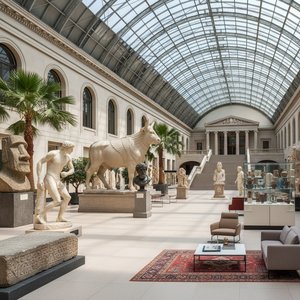
Los 25 Tesoros del Museo Británico: Arte, Historia y Decoración Excepcional
Descubre los 25 tesoros del Museo Británico: desde la Piedra Rosetta hasta obras de Rembrandt y Van Gogh. Explora su historia, técnica y significado. Reproducciones de arte exclusivas en OriginalUniqueArt.com para decorar tu hogar con elegancia.