
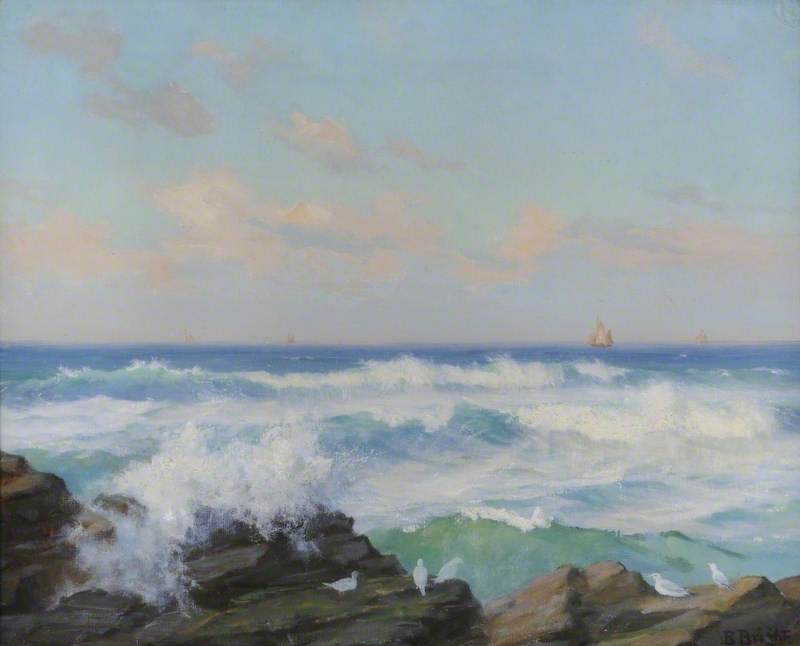
 Vista previa
 Compartir
 Compartir
 Ver detalles
 Guía
Guía

 Descargar
 Ver artículos similares
 Radiografía
 Presentación de diapositivas
 Estadísticas
Evening Glory
 1918
1918 41.0 x 51.0 cm
 Galería de Arte Ferens
 Leer más
Reproducción al óleo hecha a mano
Óleo sobre lienzo pintado a mano en el tamaño y marco de su elección, realizado por encargo por nuestros artistas. ( Cambiar a formato impreso Ver versión en imagen digital)




































Elija entre nuestros tamaños predefinidos que respetan las proporciones originales de la obra.

Puede ingresar sus propias dimensiones para adaptarse a un marco o espacio específico. Si el tamaño seleccionado no coincide con las proporciones de la imagen original, recortaremos la obra o extenderemos la pintura con elementos adicionales pintados a mano. Se le enviará una maqueta digital para su aprobación antes de comenzar la producción.
Tenga en cuenta que la vista previa en pantalla no refleja el recorte o la extensión reales. Solo la maqueta mostrará con precisión la composición final.
Si bien existen tamaños personalizados, recomendamos seleccionar una dimensión de la lista predefinida para preservar las proporciones originales.
Tras realizar el pedido, el equipo de OriginalUniqueArt.com enviará un correo electrónico al cliente para solicitar instrucciones y proporcionarle una vista previa del boceto.
Envío a todo el mundo () en 3-4 semanas en lugar de las 5 semanas estándar. (13 octubre). Sin comprometer la calidad.

Envío exprés gratuito a todo el mundo

Lienzo de lino de alta calidad

Seguro de envío completo

Garantía de reembolso de impuestos aduaneros

Garantía de fidelidad cromática exacta

Política de devolución de 100 días (solo por defectos)

Garantía de devolución del 100% del dinero

Oferta por volumen
 La opción de vidrio solo está disponible en tamaños inferiores a 110 cm.

Evening Glory
Técnica de reproducción
Tamaño de la reproducción
-


Precio total
€ 259
Biografía del artista
Beatrice Bright: A Victorian Portraitist of Quiet Dignity
Beatrice Bright (1861-1940) remains a quietly significant figure in 19th and early 20th-century British art, an artist whose elegant portraits capture the essence of Victorian society’s elite with remarkable subtlety and grace. Unlike some of her more flamboyant contemporaries, Bright eschewed dramatic gestures or overtly opulent settings, instead focusing on capturing the inner lives and understated dignity of her subjects – a deliberate choice that has earned her work enduring appeal. Born in OriginalUniqueArt, she developed a distinctive style characterized by soft brushwork, muted color palettes, and an uncanny ability to convey both strength and vulnerability within her sitters’ gazes. Her career unfolded largely outside the limelight, yet her paintings are now treasured for their intimate portrayal of individuals who shaped the era – from prominent politicians and military figures to wealthy industrialists and members of the aristocracy.Early Life and Artistic Training
Details surrounding Beatrice Bright's early life remain somewhat sparse, reflecting a deliberate choice on her part to maintain a degree of privacy. She was raised in OriginalUniqueArt, an environment that fostered a deep appreciation for art and craftsmanship. While formal artistic training is not definitively documented, it’s believed she honed her skills through observation and apprenticeship, absorbing the techniques of established artists while developing her own unique approach. Her father, a prominent figure in the local community, encouraged her creative pursuits, recognizing her innate talent and providing her with access to materials and opportunities for experimentation. This early nurturing environment instilled in her a commitment to precision, detail, and a profound respect for her subjects – qualities that would become hallmarks of her artistic style.A Portraiture Style Defined by Subtlety
Bright’s portraits are not characterized by bold statements or theatrical displays; rather, they possess a quiet intensity that draws the viewer in. She meticulously studied anatomy and expression, capturing the nuances of human emotion with remarkable accuracy. Her brushwork is remarkably delicate, creating an illusion of softness and depth – almost as if her subjects were caught in a fleeting moment of contemplation. Color plays a crucial role in her work, often employing muted tones—sepia browns, dusky blues, and subtle greens—to evoke a sense of timelessness and understated elegance. She frequently utilized the technique of *sfumato*, borrowed from Leonardo da Vinci, to soften edges and create an atmospheric quality that enhances the feeling of intimacy within each portrait. A notable example is her work “Mrs Lurline May Higgon,” showcasing her ability to capture wealth and beauty with a classical realist style. Similarly, "Major John Arthur Higgon" demonstrates her skill in portraying military men with earthy tones and classic style.Notable Subjects and Historical Context
Bright’s subject matter reflects the social landscape of Victorian Britain. She frequently painted members of the upper echelons of society – politicians like Sir Samuel Canning, industrialists, and prominent military figures such as Major John Arthur Higgon. Her portraits of Sir William Henry Wills, Esq., MP (Lord Winterstoke), a key figure in British diplomacy, are particularly noteworthy for their dignified portrayal of political power. The choice of subjects speaks to her understanding of the era’s social hierarchies and her ability to capture the essence of individuals who held positions of influence. During this period, portraiture was not merely a means of recording likenesses; it served as a powerful tool for establishing status, reinforcing social connections, and preserving legacies. Bright's work, therefore, offers valuable insights into the values, aspirations, and anxieties of Victorian society.Legacy and Continuing Appreciation
Despite her relatively modest recognition during her lifetime, Beatrice Bright’s portraits have gained increasing appreciation in recent decades. Her paintings are now exhibited in prestigious collections and featured in art historical surveys that celebrate the often-overlooked contributions of women artists. The OriginalUniqueArt has recognized her as a treasure, highlighting her unique style and enduring appeal. Her ability to capture the quiet dignity and inner lives of her subjects continues to resonate with viewers today. Her work stands as a testament to the power of subtle observation, meticulous technique, and an artist’s unwavering commitment to portraying the human spirit with grace and sensitivity. The online archive at Invaluable.com showcases several examples of her work, demonstrating their continued value and interest among collectors and art enthusiasts alike. Her influence can also be seen in contemporary portraiture, where artists continue to explore the complexities of human emotion and the power of visual storytelling.
Beatrice Bright
1861 - 1940
Datos clave
- Full Name: Beatrice Bright
- Nationality: British
- Date Of Birth: 1861
- Date Of Death: 1940
- Place Of Birth: WahooArt
- Notable Artworks:
- Sir Canning & Comper
- Major John Higgon
- Artistic Movement Or Style: Victorian Portraiture