

 Vista previa
 Compartir
 Compartir
 Ver detalles
 Guía
Guía

 Descargar
 Ver artículos similares
 Radiografía
 Presentación de diapositivas
 Estadísticas
Classical Landscape with Ruins
 Watercolor
- WallArt
- Romantic Landscape Painting
 1629
1629- Early Modern
 21.0 x 21.0 cm
 Fitzwilliam College
 Leer más
Adquiera una imagen digital de alta resolución y optimizada, muy superior a la vista previa en línea.
Cada archivo es preparado meticulosamente por nuestros especialistas internos mediante el uso de herramientas avanzadas y un experto retoque manual. Nos aseguramos de que cada imagen posea una claridad excepcional, una precisión cromática impecable y un detalle minucioso.
El archivo final se entrega por correo electrónico en un plazo de 72 horas, optimizado para su uso inmediato en entornos profesionales, editoriales y de impresión. Esta es la misma calidad en la que confían los estudios de diseño, las editoriales y las galerías de primer nivel.
Imagen Digital
Descarga un archivo de alta resolución para exhibición personal, impresión y proyectos creativos. ( Cambiar a formato impreso Encargar reproducción pintada a mano)
Incluido en cada pedido de imágenes digitales
Entrega digital experta, garantizada.
Al elegir OriginalUniqueArt.com, no solo está adquiriendo una imagen; está recibiendo una obra de arte digital mejorada profesionalmente, elaborada con precisión y respaldada por una garantía de satisfacción. Esto es todo lo que incluye su pedido, automáticamente:

Entrega inmediata por email
Recibirá su archivo de imagen digital en alta resolución por correo electrónico en un plazo de 72 horas tras realizar su pedido, listo para su uso inmediato.

Archivo digital optimizado por IA
Su obra de arte se optimiza profesionalmente mediante herramientas avanzadas de IA y edición manual, garantizando el máximo detalle, claridad y precisión cromática.

Reenvío gratuito de por vida
¿Has borrado o perdido tu archivo por error? No te preocupes: te lo volveremos a enviar en cualquier momento, sin coste adicional.

Sin gastos de importación, siempre
Disfrute de su obra de arte al instante sin aduanas, aranceles ni gastos de envío; las descargas digitales siempre están libres de impuestos.

Garantía de precisión de color
Garantizamos que su imagen digital refleje los colores originales con la mayor fidelidad posible, mediante el uso de herramientas profesionales y gestión del color.

Garantía de satisfacción de 100 días
Si no está satisfecho con su imagen digital, la revisaremos o le reembolsaremos el 100% en un plazo de 100 días, sin preguntas.

100% Garantía de devolución de dinero
¿No está satisfecho? Obtenga un reembolso completo dentro de los 100 días posteriores a la recepción de su archivo digital, sin preguntas.

Descuentos por volumen
Compra 3 imágenes, ahorra 10% - Compra 5, ahorra 15% - Compra 10+, ahorra 20%. Ideal para proyectos creativos, galerías y agencias.
A Vision of Roman Decay: The Melancholy Beauty of Breenbergh
In the quiet corners of the Fitzwilliam Museum, there exists a window into a lost era—a watercolor titled Classical Landscape with Ruins by the Dutch master Bartholomeus Breenbergh. Created around 1629, this delicate work is far more than a mere topographical record; it is a profound meditation on the passage of time and the inevitable triumph of nature over human ambition. As one gazes upon the crumbling stone structures in the foreground, there is an immediate sense of the sublime—that intoxicating mixture of awe and terror that comes from witnessing the slow, relentless decay of once-great civilizations. Breenbergh captures a moment where the grandeur of Rome meets the quiet persistence of the earth, inviting the viewer to contemplate their own place within the vast, cyclical rhythm of history.
The composition is masterfully orchestrated to lead the eye through a narrative of light and shadow. In the foreground, the skeletal remains of classical architecture serve as a poignant memento mori, while life continues in its humble, unbothered forms around them. Two figures wander near the ruins, perhaps travelers or shepherds lost in thought, their small scale emphasizing the monumental weight of the past. Scattered throughout this pastoral scene are the gentle rhythms of rural life: cows and sheep graze peacefully, a horse rests in the mid-ground, and a solitary bird drifts through the sky. Even the presence of a tranquil body of water near the right edge of the frame adds a layer of reflective stillness, mirroring the contemplative mood that permeates the entire landscape.
The Alchemy of Light and Italianate Grace
Technically, Breenbergh departs from the rigid, microscopic realism often associated with his Dutch contemporaries. Instead, he embraces an Italianate sensibility, characterized by a soft, atmospheric perspective that breathes life into the paper. His brushwork is loose and expressive, eschewing sharp outlines in favor of luminous transitions. Light is the true protagonist of this piece; shafts of sunlight pierce through the architectural debris, illuminating patches of verdant foliage and casting long, dramatic shadows that stretch across the terrain. This manipulation of light creates a sense of depth and drama, pulling the viewer into a world where the air feels heavy with humidity and history.
The color palette is a sophisticated study in muted elegance. Dominated by earthy browns, deep ochres, and mossy greens, the painting evokes the feeling of an ancient, sun-drenched landscape. Yet, Breenbergh punctuates these somber tones with subtle splashes of crimson and gold, reminiscent of the dramatic chiaroscuro found in the works of Caravaggio. For the discerning collector or interior designer, this piece offers a remarkable versatility. Its tonal depth and classical subject matter allow it to serve as a sophisticated focal point in a traditional study, a serene anchor in a contemporary minimalist space, or a soulful addition to a gallery wall dedicated to the Golden Age of painting.
An Eternal Echo for the Modern Collector
To possess a reproduction of this work is to bring a piece of the 17th-century soul into the modern home. Breenbergh’s ability to weave together the architectural ghosts of antiquity with the living, breathing pulse of nature creates an emotional resonance that transcends centuries. The painting does not merely depict a scene; it evokes a feeling of nostalgia for a greatness we can no longer touch, yet still deeply admire. It is an invitation to slow down, to observe the play of light upon stone, and to find beauty in the ephemeral. Whether you are drawn to its historical significance, its masterful use of atmospheric perspective, or its quiet, melancholic grace, this artwork remains a timeless testament to the enduring power of the classical spirit.
Biografía del artista
Primeros Años y Formación
- Nombre: Bartholomeus Breenbergh
- Nacimiento: Antes del 13 de noviembre de 1598, en Deventer, Países Bajos
- Fallecimiento: Después del 3 de octubre de 1657, en Ámsterdam, Países Bajos
- Los detalles de su vida temprana son escasos. La familia se mudó a Hoorn después de la muerte de su padre en 1607.
- Fue contemporáneo de Jacques Waben y probablemente recibió una formación inicial allí.
- Maestros registrados incluyen Pieter Lastman y Jacob Symonsz Pynas.
Carrera: Roma y el Estilo Italianizante
- Se registró por primera vez como pintor en Ámsterdam en 1619.
- En 1619, viajó a Roma, donde residió hasta aproximadamente 1630.
- Trabajó con el pintor flamenco Frans van de Kasteele y fue fuertemente influenciado por Paul Bril.
- Desarrolló un estilo distintivo de paisaje italianizante, caracterizado por representaciones idealizadas de la Campagna romana (campo).
- Influenciado por los paisajes de Cornelis van Poelenburgh; sus estilos se volvieron difíciles de distinguir a veces.
- Se convirtió en uno de los fundadores de los Bentvueghels ("Gremio de Pintores") en Roma, ganándose el apodo "het fret" (la comadreja).
Regreso a Ámsterdam y Desarrollo Artístico
- Regresó a Ámsterdam alrededor de 1630.
- Se casó en 1633 y recibió un salario anual del rey Carlos I de Gran Bretaña.
- Su obra comenzó a incorporar figuras mitológicas y bíblicas en paisajes italianos, influenciado por artistas como Pieter Lastman.
- Desarrolló un estilo más monumental con tipos de figuras expresivas.
- El único alumno registrado fue Jan de Bisschop, quien estudió con él en la década de 1640.
Influencias y Legado
- Influencias: Pieter Lastman, Nicolaes Moeyaert, Paul Bril, Cornelis van Poelenburgh, Claude Lorrain.
- Influencia sobre Otros: Jan Linsen, Scipione Compagno, Laurens Barata, Charles Cornelisz. de Hooch, Pieter Anthonisz. van Groenewegen, Francois van Knibbergen y Catharina van Knibbergen.
- Breenbergh fue una figura clave en el desarrollo del estilo paisajístico italianizante en los Países Bajos.
- Su obra ayudó a popularizar las representaciones de ruinas clásicas y paisajes idealizados entre los artistas europeos del norte.
- Puenteó la brecha entre los maestros holandeses anteriores y los pintores paisajísticos posteriores, más refinados.
Significado Histórico
- La contribución de Breenbergh radica en su papel pionero en el establecimiento del estilo italianizante dentro del arte holandés.
- Su capacidad para sintetizar influencias de varios artistas – Lastman, Moeyaert, Bril, Poelenburgh – creó una voz artística única y reconocible.
- Jugó un papel significativo en la configuración de las preferencias estéticas de la Edad de Oro holandesa, inspirando a generaciones posteriores de pintores paisajistas.
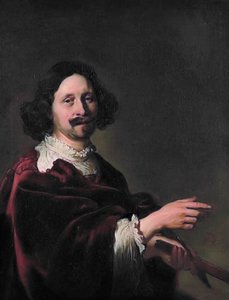
Bartholomeus Breenbergh
1598 - 1657 , Países Bajos
Datos clave
- Artistas Influenciados:
- Claude Lorrain
- Jan Linsen
- Artistas Que Influyeron:
- Paul Bril
- Cornelis van Poelenburgh
- Pieter Lastman
- Fecha De Fallecimiento: 1657-10-05
- Fecha De Nacimiento: 1598-11-13
- Lugar De Nacimiento: Deventer, Países Bajos
- Movimiento Artístico: Paisaje clasicista italiano
- Nacionalidad: Holandés
- Nombre Completo: Bartholomeus Breenbergh