Ver en contexto
 Enviar
 Compartir
 Detalles
 Guía
Guía

 Descargar
 Similares
 Radiografía
 Presentación de diapositivas
 Q&A
Q&A Estadísticas
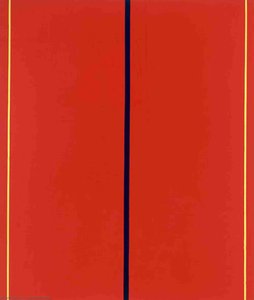
Onement, III

- 182.0 x 84.0 cm


 Ver más
La obra de arte que se muestra en esta página está protegida por las leyes de propiedad intelectual, lo que significa que no podemos crear ni vender legalmente una reproducción idéntica. Esta protección se hace cumplir en virtud de acuerdos internacionales como el Convenio de Berna y por las leyes nacionales, incluidas aquellas establecidas por el Ley de derechos de autor de los EE. UU. - Título 17.
Este método cumple plenamente con las normativas de derechos de autor, ya que no implica la copia ni la duplicación de la obra protegida. En su lugar, se trata de una reinterpretación creativa: una nueva pintura influenciada por la original, pero que no es idéntica a ella.
Giclée / Impresión de arte
Impresiones giclée o en lienzo de calidad de museo con producción rápida y opciones de acabado flexibles. ( Comprar pintura hecha a mano Cambiar a imagen digital)




P118B €10

P118H €10

P118W €10

P438Z €10

P508JH €12

P508YH €12

P805H €10

P805Z €10

P919BZ €10

P919G €10

P919XJ €10

P959ZH €10

P968JZ €12

W106C €8

W218G €10

W218JH €8

W218Y €10

W307PJ €10

W316G €10

W316PJ €8

W316Y €10

W398PJ €8

W4111J €10

W500HY €15

W500JH €15

W692G €12

W849H €8

W940BG €15

W953PJ €8




Elija entre nuestros tamaños predefinidos que respetan las proporciones originales de la obra.

Introduzca el ancho y el alto que necesite para adaptarse a su marco o pared. Una impresión solo puede recortarse, nunca hacerse más grande que la imagen original, por lo que un tamaño con una forma distinta perderá parte de la obra. Le enviaremos una maqueta digital para su aprobación antes de realizar cualquier impresión. La imagen que se muestra en esta página no refleja el recorte real; solo la maqueta lo hace.
Envío a todo el mundo () en 2 semanas en lugar de las 4/5 semanas estándar. (1 noviembre)

Envío exprés gratuito a todo el mundo

Lienzo de lino de alta calidad

Seguro de envío total

Garantía de reembolso de aranceles aduaneros

Garantía de fidelidad cromática exacta

Política de devolución de 100 días (solo por defectos)

Garantía de devolución del 100% del dinero

Descuento por cantidad
 La opción de vidrio solo está disponible en tamaños inferiores a 110 cm.

Onement, III
Giclée / Impresión de arte
Dimensiones de la reproducción
-


Precio total final
€ 71
A Vision of Pure Color: The Essence of Onement, III
In the vast landscape of mid-20th-century abstraction, few works command the room with such singular, quiet intensity as Barnett Newman’s Onement, III. Created in 1949, this masterpiece stands as a seminal pillar of the Color Field painting movement, offering much more than a mere arrangement of pigment on canvas. It is an invitation to experience the sublime. The painting presents a breathtaking expanse of deep, dominant red, a field of color so profound that it seems to vibrate with its own internal life. This saturated background serves as a stage for the work's most iconic feature: a vibrant orange line that pierces the composition vertically. Often referred to by critics as a "zip," this line is not a simple stroke but a complex, textured element composed of several smaller, interlaced lines that create a mesmerizing sense of depth and visual tension.
The technique employed in Onement, III is a masterclass in the expressive potential of flat color. By eschewing traditional representational forms, Newman directs the viewer's attention toward the raw, emotional resonance of the palette itself. The way the orange line interacts with the red field creates a dynamic visual experience, where the eye is drawn through the verticality of the piece, experiencing a rhythmic movement that feels both grounded and transcendent. For the discerning collector or interior designer, this work offers a sophisticated focal point; its bold, rectangular fields of color possess a modern elegance that can anchor a space, providing a sense of monumental scale and architectural strength.
Historical Resonance and Spiritual Depth
To understand Onement, III is to understand the post-war search for meaning. Emerging from the intellectual ferment of New York, Newman sought to move beyond the fractured narratives of earlier movements to find a visual language capable of expressing spiritual longing and emotional truth. The painting’s title itself suggests a sense of unity and primordial beginning, echoing the artist's intent to use color as a means of touching the infinite. This is not merely an exercise in abstraction; it is an exploration of the relationship between space, color, and the viewer's own presence within the work. The "zip" does more than divide the canvas; it defines the space, creating a sense of place that engages the observer on a deeply personal level.
The legacy of this work continues to ripple through the history of art, influencing generations of painters who sought to explore the boundaries of the canvas. In an era of digital complexity, the stark, powerful simplicity of Onement, III offers a profound sense of clarity and meditative calm. Whether viewed as a historical landmark of the New York School or as a contemporary statement of bold aesthetic confidence, this painting remains a testament to the power of pure color to evoke the monumental and the eternal.
Preguntas y respuestas
¿A qué se debe el estado de los derechos de autor de "Onement, III"?
"Onement, III" de Barnett Newman es de aún protegido por derechos de autor. Los términos de derechos de autor se calculan a partir del fallecimiento del artista, y Barnett Newman murió en 1970.
¿A qué artista se le atribuye "Onement, III"?
El artista detrás de "Onement, III" es Barnett Newman. La obra está catalogada bajo el nombre de Barnett Newman.
¿Qué nivel de saturación e intensidad presenta "Onement, III" de Barnett Newman?
Los colores de "Onement, III" de Barnett Newman presentan una saturación Clear Color Presence con una intensidad Vivid.
Biografía del artista
Barnett Newman: Una Vida en el Expresionismo Abstracto
- Nacido: 29 de enero de 1905, Nueva York, Estados Unidos
- Fallecido: 4 de julio de 1970
Barnett Newman fue una figura clave en el desarrollo del Expresionismo Abstracto, un pintor estadounidense cuyo trabajo impactó profundamente al mundo del arte. Nacido en una familia judía inmigrante en Nueva York, su viaje artístico reflejó un profundo compromiso con temas filosóficos y espirituales, traducidos a través de un lenguaje visual único.
Primeros Años y Desarrollo Artístico
- Educación: Estudió en la Liga de Estudiantes de Arte de Nueva York y el City College of New York.
- Influencias Tempranas: Inicialmente atraído por las obras de Henri Matisse y Pablo Picasso, su estilo temprano mostró rastros de estas influencias antes de avanzar hacia la abstracción.
- Carrera Temprana: La primera exposición individual de Newman se llevó a cabo en 1943 en la Galería Betty Parsons, marcando un paso significativo en su carrera. Destruyó gran parte de su trabajo representacional anterior, buscando una forma más auténtica y expresiva.
La Emergencia de los "Zips" y la Pintura de Campos de Color
- Estilo Definitorio: Newman es conocido principalmente por su estilo característico definido por grandes campos de color divididos por líneas verticales que él llamó “zips”. Estos zips se convirtieron en el elemento definitorio de su obra madura.
- Obras Notables: Onement VI (1950-51) ejemplifica este estilo, mostrando una sola línea dividiendo el lienzo en dos campos de color y es considerada una de las pinturas más importantes del siglo XX. Otras obras significativas incluyen Vir Heroicus Sublimis (1958-60), una obra monumental que explora temas de heroísmo y espiritualidad, y "Rothko by Newman".
- Influencias: Si bien rechazaba la representación directa, el trabajo de Newman fue influenciado por el Cubismo y el Surrealismo. Buscaba crear pinturas que evocaran respuestas emocionales en lugar de representar objetos reconocibles.
Temas y Fundamentos Filosóficos
- Exploración Espiritual: El arte de Newman a menudo exploró temas de espiritualidad, existencia humana y lo sublime. Sus obras tenían como objetivo evocar una sensación de asombro y contemplación en el espectador.
- Rechazo de la Representación: Creía que la pintura representacional tradicional era inadecuada para expresar las complejidades de la experiencia moderna, particularmente a raíz de la Segunda Guerra Mundial.
- "Lo Sublime": Newman buscó capturar lo que él denominaba "lo sublime"—una sensación de grandeza y trascendencia abrumadora—en sus pinturas. Los zips sirvieron como elementos estructurales y marcadores simbólicos de esta experiencia.
Legado e Influencia
- Impacto en el Expresionismo Abstracto: Newman fue una figura clave en el desarrollo del Expresionismo Abstracto, junto con artistas como Mark Rothko y Jackson Pollock.
- Influencia en Artistas Posteriores: Su innovador uso del color y la forma influyó en generaciones posteriores de artistas, particularmente aquellos que trabajaron en la pintura de Campos de Color y el Minimalismo.
- Presencia en Museos: La obra de Newman se encuentra en importantes museos de todo el mundo, incluido el Museo de Arte Moderno de Nueva York y la Galería Nacional de Arte de Washington, D.C., lo que consolida su lugar como una figura significativa del arte del siglo XX.

Barnett Newman
1905 - 1970 , Estados Unidos de América
Datos clave
- Artistas Influenciados Por Este Artista:
- Mark Rothko
- Jackson Pollock
- Artistas Que Influyeron:
- Henri Matisse
- Pablo Picasso
- Fecha De Fallecimiento: 4 de julio de 1970
- Fecha De Nacimiento: 29 de enero de 1905
- Lugar De Nacimiento: Ciudad de Nueva York, EE. UU.
- Movimiento Artístico: Expresionismo Abstracto
- Nacionalidad: Estadounidense
- Nombre Completo: Barnett Newman
- Obras Notables:
- Onement VI
- Vir Heroicus Sublimis
- Be I
- Ulysses
- The Song of Orpheus
Artículos relacionados
Atmósferas Cromáticas: Explorando los Fundamentos Filosóficos de la Pintura Color Field
Descubra la profunda filosofía y técnica detrás de la pintura Color Field. Explore las obras maestras de Rothko, Newman, Frankenthaler y más. Guía experta para coleccionistas.

Dominando la emoción: Las 25 obras más icónicas de Mark Rothko
Explora las 25 obras maestras de Mark Rothko y el Color Field. Descubre reproducciones de museo en OriginalUniqueArt.com.
Beyond the Brushstroke: A Definitive Guide to the Emotional Power of Color Field Painting
Explore the profound history and emotional depth of Color Field painting. From Mark Rothko to Barnett Newman, discover how pure color redefined modern art through our expert-led guide for students and collectors alike.

Crimson Threads of Narrative: Exploring Symbolism & Representation in Artworks Featuring the Red Dress
Explore the rich symbolism of the red dress in art history! From ancient power displays to iconic portraits like Cézanne’s 'Madame Cezanne', discover the cultural and artistic significance behind this captivating color. Expert analysis & insights.

Carl Newman: Exploring Abstraction's Spiritual Resonance Through Color Field Painting
Explore the profound spiritual resonance of Color Field Painting with insights into Rothko, Newman & Still. Discover the techniques & legacy of this influential abstract art movement.