

 Vista previa
 Compartir
 Compartir
 Ver detalles
 Guía
Guía

 Descargar
 Ver artículos similares
 Radiografía
 Presentación de diapositivas
 Estadísticas
Flowers in a Wan-Li Vase, with Shells
 Oil On Canvas
- WallArt
- Baroque
 1650
1650 53.0 x 43.0 cm
 Mauritshuis
 Leer más
Giclée / Impresión de arte
Impresiones giclée o en lienzo de calidad de museo con producción rápida y opciones de acabado flexibles. ( Encargar reproducción pintada a mano Ver versión en imagen digital)




P118B $10

P118H $10

P118W $10

P438Z $10

P508JH $12

P508YH $12

P805H $10

P805Z $10

P919BZ $10

P919G $10

P919XJ $10

P959ZH $10

P968JZ $12

W106C $8

W218G $10

W218JH $8

W218Y $10

W307PJ $10

W316G $10

W316PJ $8

W316Y $10

W398PJ $8

W4111J $10

W500HY $15

W500JH $15

W692G $12

W849H $8

W940BG $15

W953PJ $8




Elija entre nuestros tamaños predefinidos que respetan las proporciones originales de la obra.

Puede introducir sus propias dimensiones para adaptarse a un marco o espacio específico. Si el tamaño seleccionado no coincide con las proporciones de la imagen original, recortaremos la obra de arte o extenderemos la imagen con un borde con efecto espejo o de color sólido. Se enviará una maqueta digital para su aprobación antes de que comience la producción.
Tenga en cuenta que la vista previa en pantalla no refleja el recorte o la extensión real. Solo la maqueta mostrará con precisión la composición final.
Aunque existen tamaños personalizados, recomendamos seleccionar una dimensión de la lista predefinida para preservar las proporciones originales.
Envío a todo el mundo () en 2 semanas en lugar de las 4/5 semanas estándar. (26 septiembre)

Envío exprés gratuito a todo el mundo

Lienzo de lino de alta calidad

Seguro de envío completo

Garantía de reembolso de impuestos aduaneros

Garantía de fidelidad cromática exacta

Política de devolución de 100 días (solo por defectos)

Garantía de devolución del 100% del dinero

Oferta por volumen
 La opción de vidrio solo está disponible en tamaños inferiores a 110 cm.

Flowers in a Wan-Li Vase, with Shells
Giclée / Impresión de arte
Tamaño de la reproducción
-


Precio total
$ 80
A Symphony in Porcelain and Petals: Balthasar van der Ast’s “Flowers in a Wan-Li Vase”
Balthasar van der Ast's "Flowers in a Wan-Li Vase, with Shells," painted circa 1640-1650, isn’t merely a still life; it’s a meticulously crafted meditation on beauty, wealth, and the fleeting nature of time. Within its richly layered composition resides a microcosm of the Dutch Golden Age – a testament to burgeoning scientific curiosity, refined artistic skill, and an enduring fascination with the natural world. The painting immediately draws the eye into a dense arrangement of blossoms, each rendered with astonishing detail, seemingly bursting forth from a delicate blue Wan-Li vase, a prized possession indicative of considerable affluence. It’s a scene that whispers of opulent Dutch households and the burgeoning trade networks connecting Europe to the exotic East.The Art of Observation: Technique and Style
Van der Ast was a master of capturing the subtle nuances of texture and light, and this piece exemplifies his signature style. He employed a technique known as *chiaroscuro*, skillfully manipulating shadows and highlights to create an illusion of three-dimensionality that is remarkably convincing. The velvety petals of roses, the delicate veins of leaves, and the rough surface of the seashells are all rendered with painstaking precision – each brushstroke contributing to the overall sense of realism. Notice how he doesn’t simply paint *of* flowers; he paints *as* flowers, capturing their very essence. The use of layering is particularly noteworthy; colors build upon one another, creating a luminous depth that seems to invite the viewer into the scene. This wasn't just about replicating what was seen; it was about conveying the *experience* of observing nature – its vibrancy, its complexity, and its inherent beauty.Symbolism Woven Within: Flowers, Shells, and Wealth
Beyond its technical brilliance, “Flowers in a Wan-Li Vase” is laden with symbolic meaning. The inclusion of various flower species—roses, tulips, anemones, and more—represents the changing seasons and the abundance of nature. The prominent red tulip, particularly striking, was a symbol of wealth and status during this period, its vibrant hue mirroring the prosperity enjoyed by the Dutch Republic. The delicate shells scattered beneath the vase are not merely decorative; they evoke themes of mortality and the passage of time – reminders that even the most beautiful things eventually fade away. The butterfly resting on one of the blooms adds a touch of ephemeral grace, suggesting the fleeting nature of beauty itself.A Window into a World: Historical Context
To fully appreciate this painting, it’s crucial to understand its historical context. The Dutch Golden Age (roughly 1588-1702) was a period of unprecedented economic prosperity and artistic innovation. The rise of the merchant class fueled an insatiable appetite for luxury goods – particularly porcelain from China – and fostered a growing interest in scientific observation. Van der Ast, along with other artists of his time, embraced this spirit of inquiry, meticulously documenting the natural world through their art. The painting reflects not only artistic skill but also the intellectual curiosity that characterized the era—a desire to understand and represent the complexities of nature with unparalleled accuracy. It’s a snapshot of a society deeply engaged with both beauty and knowledge.Capturing the Essence: Reproductions and Inspiration
Today, high-quality reproductions of “Flowers in a Wan-Li Vase” are available, allowing art lovers to bring this exquisite masterpiece into their homes. Whether you’re drawn to its rich colors, intricate details, or profound symbolism, this painting continues to captivate viewers centuries after it was created. Consider how the composition—the dense arrangement of flowers within the elegant vase—can inform interior design choices, creating a space that is both luxurious and inviting. The painting's masterful use of light and shadow serves as a reminder of the power of art to transform our perception of the world around us.Biografía del artista
El maestro del universo en miniatura: Balthasar van der Ast
Bajo la luz dorada de los Países Bajos del siglo XVII, una época definida por una prosperidad sin precedentes y una curiosidad científica insaciable, Balthasar van der Ast emergió como un virtuoso de la obra maestra a pequeña escala. Nacido en Middelburg alrededor de 1593, van der Ast no se limitaba a pintar objetos; él orquestaba dramas silenciosos sobre el lienzo. Su vida estuvo profundamente entrelazada con la floreciente cultura mercantil de Zelanda, al ser hijo de un próspero comerciante de lana, Hans van der্া Ast. Este trasfondo le proporcionó algo más que estabilidad social; le ofreció una intimidad temprana con los productos exóticos y las preciosas especies que más tarde se convertirían en los protagonistas de sus célebres bodegones.
La trayectoria de su alma artística fue irrevocablemente moldeada por su conexión con la dinastía Bosschaert. A través de un vínculo familiar, van der Ast se convirtió en el protegido del legendario Ambrosius Bosschaert el Viejo, su padrastro. Bajo esta tutela, dominó la meticulosa precisión requerida para la "pieza floral", un género que exigía un nivel de observación casi microscópico. Este linaje de excelencia le permitió refinar una técnica caracterizada por sutiles gradaciones tonales y un profundo respeto por la textura física de la naturaleza. No estuvo solo en esta búsqueda de la perfección; junto a sus cuñados, ayudó a cultivar un movimiento estilístico que priorizaba el delicado juego de luces y sombras, transformando simples estudios botánicos en profundas meditaciones sobre la existencia.
Una sinfonía de conchas y flora
Mientras muchos de sus contemporáneos se centraban únicamente en la belleza efímera de las flores, van der Ast alcanzó la inmortalidad histórica a través de sus exploraciones pioneras en la conquología. Se convirtió en un precursor de la pintura de conchas, tratando los restos calcificados de las criaturas marinas con la misma reverencia que el pétalo más suave. En obras como "Bodegón con ciruelas, cerezas y conchas", uno puede presenciar el asombroso matrimonio de diferentes texturas: la piel jugosa y translúcida de la fruta contrastada con las superficies duras y nacaradas de conchas exóticas. Esta fascinación no era meramente estética; reflejaba el creciente interés científico de la época por la historia natural y el alcance global del comercio marítimo holandés.
Sus composiciones funcionaban a menudo como mucho más que simples exhibiciones de riqueza o precisión botánica. Observar de cerca una pintura de van der Ast es entablar un diálogo con una compleja red de simbolismo arraigada en la filosofía humanista. Dentro de sus arreglos, se pueden hallar:
- La naturaleza efímera de la vida: Representada a través de pétalos marchitos o insectos que consumen la misma belleza que habitan.
- Observación científica: Un registro meticuloso de especies, reflejo de la Era de los Descubrimientos y de la sed de conocimiento de la época.
- Temas de Vanitas: Sutiles recordatorios de la mortalidad, donde la decadencia de la fruta sirve como un conmovedor memento mori.
Legado y trascendencia artística
La influencia de Balthasar van der Ast se extendió mucho más allá de su propio estudio en Utrecht. Al dar la bienvenida a artistas como Roelandt Savery al gremio local, ayudó a fomentar un entorno donde la tonalidad y el realismo pudieran florecer. Su capacidad para infundir vida a los objetos inanimados —una cualidad visible en sus representaciones de lagartos e insectos que se arrastran entre las frutas— estableció un nuevo estándar para la Edad de Oro holandesa. Él alejó al género del bodegón de la disposición estática hacia una realidad más dinámica y palpitante.
Hoy en día, sus obras siguen siendo pilares de las colecciones de museos de todo el mundo, desde el Museo Británico hasta las grandes galerías de Europa. Su legado se encuentra en cada pincelada que captura la gota de rocío sobre una hoja o el brillo iridiscente de una concha marina. Balthasar van der Ast permanece como un titán del Stilleven, un artista que enseñó al mundo a encontrar lo infinito dentro de lo infinitesimal, y que transformó los humildes objetos del mundo natural en iconos eternos de belleza.

Balthasar Van Der Ast
1593 - 1657 , Países Bajos
Datos clave
- Artistic Movement Or Style: Golden Age Painting
- Artists Or Movements Influenced By This Artist: Dutch Baroque
- Artists Who Influenced This Artist: Ambrosius Bosschaert
- Date Of Birth: 1593
- Date Of Death: 1657
- Full Name: Balthasar van der Ast
- Nationality: Dutch
- Notable Artworks:
- Fruits and Shells on a Ledge
- Tulip
- Lizard and Shell
- Place Of Birth: Middelburg, Netherlands
Artículos relacionados

Golden Light & Dutch Skies: The Timeless Magic of Dutch Golden Age Landscapes
Discover the breathtaking beauty of Dutch Golden Age landscapes. Explore the mastery of light, chiaroscuro, and 17th-century realism through an expert art history lens, celebrating the enduring legacy of the Dutch Masters for discerning collectors and art lovers.

Reflejos de una Época Dorada: La Pintura Barroca Holandesa y la Innovación Cultural
Descubra la riqueza y el detalle de la pintura barroca holandesa del Siglo de Oro. Explore las obras maestras de Rembrandt, Vermeer y otros artistas clave. Análisis experto e historia cultural.
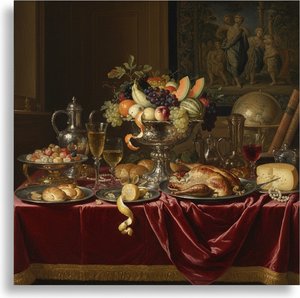
Abraham Hendricksz van Beyeren: Pioneering Dutch Still Life & the Banquet Tradition
Explore the captivating world of Dutch Golden Age still life with Abraham van Beyeren. Discover his innovative techniques, symbolic banquet scenes & lasting influence on art history. Learn about collecting these masterpieces.

Los 10 Maestros del Siglo de Oro Holandés: Arte, Historia y Decoración Exclusiva
Descubre los 10 imprescindibles del Siglo de Oro Holandés: Rembrandt, Vermeer y más. Explora la historia, técnica y belleza de estos lienzos clásicos. Encuentra reproducciones de arte exclusivas para decorar tu hogar en .

Rembrandt van Rijn: Las 25 Obras Maestras que Definen un Genio | Arte, Historia y Decoración
Descubre las 25 obras maestras de Rembrandt van Rijn, el genio del barroco holandés. Explora su historia, técnica y simbolismo en retratos icónicos como 'La Ronda Nocturna'. Encuentra reproducciones de arte exclusivas para decorar tu hogar con OriginalUniqueArt.com.
