

 Ver en contexto
 Enviar
 Compartir
 Detalles

 Descargar
 Similares
 Radiografía
 Presentación de diapositivas
Pear and Apple


 Ver más
Giclée / Impresión de arte
Impresiones giclée o en lienzo de calidad de museo con producción rápida y opciones de acabado flexibles. ( Comprar pintura hecha a mano Comprar imagen)




P118B $10

P118H $10

P118W $10

P438Z $10

P508JH $12

P508YH $12

P805H $10

P805Z $10

P919BZ $10

P919G $10

P919XJ $10

P959ZH $10

P968JZ $12

W106C $8

W218G $10

W218JH $8

W218Y $10

W307PJ $10

W316G $10

W316PJ $8

W316Y $10

W398PJ $8

W4111J $10

W500HY $15

W500JH $15

W692G $12

W849H $8

W940BG $15

W953PJ $8




Elija entre nuestros tamaños predefinidos que respetan las proporciones originales de la obra.

Puede introducir sus propias dimensiones para adaptarse a un marco o espacio específico. Si el tamaño seleccionado no coincide con las proporciones de la imagen original, recortaremos la obra de arte o extenderemos la imagen con un borde con efecto espejo o de color sólido. Se enviará una maqueta digital para su aprobación antes de que comience la producción.
Tenga en cuenta que la vista previa en pantalla no refleja el recorte o la extensión real. Solo la maqueta mostrará con precisión la composición final.
Aunque existen tamaños personalizados, recomendamos seleccionar una dimensión de la lista predefinida para preservar las proporciones originales.
Envío a todo el mundo () en 2 semanas en lugar de las 4/5 semanas estándar. (28 agosto)

Envío exprés gratuito a todo el mundo

Lienzo de lino de alta calidad

Seguro de envío total

Garantía de reembolso de impuestos aduaneros

Garantía de fidelidad cromática exacta

Política de devolución de 60 días (solo por defectos)

Garantía de devolución del 100% del dinero

Descuento por cantidad
 La opción de vidrio solo está disponible en tamaños inferiores a 110 cm.

Pear and Apple
Giclée / Impresión de arte
Dimensiones de la reproducción
-


Precio total final
$ 80
A Glimpse into the Soul: Avigdor Arikha's 'Pear and Apple'
Avigdor Arikha’s 1972 work, “Pear and Apple,” isn’t merely a still life; it’s a distilled meditation on form, texture, and the profound simplicity of observation. Born in Romania amidst displacement and hardship – his father perished during the horrors of World War II – Arikha's artistic journey is inextricably linked to this experience of loss and resilience. This piece, rendered with an almost austere elegance, speaks volumes about his commitment to capturing the essence of a subject through direct engagement, eschewing photographic representation for a deeply personal and immediate portrayal.
The composition itself is deceptively straightforward: two fruits – a pear and an apple – presented side-by-side against a muted, undefined background. Yet, within this apparent simplicity lies a remarkable depth of observation. Arikha doesn’t attempt to recreate the fruit with photographic precision; instead, he employs loose, gestural lines, a technique honed during his time studying fresco in Paris, to build up volume and texture. The marks themselves are imbued with a sense of movement and spontaneity, as if the artist were capturing a fleeting moment of perception rather than meticulously rendering an object.
The Language of Line: Technique and Materiality
Arikha’s masterful use of line is central to the work's impact. He employs hatching, cross-hatching, and varying pressures to create a rich tapestry of tones and textures. The surface isn’t smooth or polished; it’s deliberately rough and uneven, mirroring the natural imperfections of the fruit skin. This tactile quality invites the viewer to engage with the artwork on a sensory level, almost as if they could reach out and touch the cool, yielding flesh of the pear or the firm, waxy surface of the apple.
The choice of medium – etching on paper – further contributes to the work’s character. Etching, a technique involving transferring ink through a textured plate, lends itself beautifully to Arikha's expressive style. The delicate lines and subtle tonal variations are achieved through meticulous handwork, demonstrating the artist’s extraordinary control and precision. The monochrome palette—primarily shades of gray, black, and cream—amplifies this effect, stripping away any distractions and focusing attention on the fundamental elements of form and texture.
Echoes of History and Symbolism
Arikha's artistic trajectory is deeply intertwined with his personal history. His early years in Bukovina, a region caught between empires and ravaged by conflict, instilled in him a profound appreciation for the fragility of life and the importance of bearing witness. “Pear and Apple” can be interpreted as a quiet meditation on these themes – a reminder of beauty amidst hardship, and a testament to the enduring power of observation.
The pairing of the pear and apple itself carries symbolic weight. The pear, often associated with innocence and fertility, contrasts with the apple, traditionally linked to temptation and knowledge. Together, they create a subtle tension, suggesting a contemplation on human desires and limitations. Furthermore, Arikha’s commitment to painting *from life*, directly observing his subjects without preliminary sketches or photographs, reflects a deliberate rejection of illusionism and an embrace of authentic experience – a philosophy deeply rooted in the traditions of Chinese brush painting.
A Legacy of Intensity: Viewing ‘Pear and Apple’ Today
“Pear and Apple” is more than just a still life; it's a window into the soul of one of the 20th century’s most compelling artists. Arikha’s ability to distill complex emotions and ideas into simple, evocative forms continues to resonate with viewers today. Whether displayed in a private collection or a public gallery, this work invites contemplation, prompting us to consider the beauty that can be found in the ordinary and the profound insights that emerge from direct observation.
Biografía del artista
Primeros Años y Orígenes
- Nacimiento: Radauti, Rumania (1929)
- Fallecimiento: 2010
- Victor Długacz (más tarde Avigdor Arikha) nació en Rădăuţi, Bucovina, Rumania, de padres judíos de habla alemana.
- Creció en Czernowitz, también en Bucovina.
- Su familia enfrentó la deportación forzada en 1941 a los campos de concentración rumanos de Transnistria, donde su padre murió.
- Arikha sobrevivió dibujando escenas de deportación, que se mostraron a delegados de la Cruz Roja Internacional.
Desarrollo Artístico y Estilo
- Emigración y Educación: Emigró a Palestina en 1944 con su hermana. Vivió en Kibbutz Ma'ale HaHamisha hasta 1948. Estudió en la Escuela de Arte Bezalel en Jerusalén (1946-1949).
- Carrera Temprana y Abstracción: Ganó una beca para estudiar en la École des Beaux Arts en París (1949), donde aprendió la técnica del fresco. Residió en París desde 1954. Inicialmente, Arikha se convirtió en un pintor abstracto a fines de la década de 1950.
- Cambio al Dibujo y Retorno a la Pintura: En 1965, dejó de pintar y se centró únicamente en dibujar desde la vida, tratando todos los temas en una sola sesión durante ocho años. Reanudó la pintura en 1973.
- Estilo Característico: Arikha desarrolló un estilo único de pintura directamente del tema a la luz natural solamente, sin dibujos preliminares. Este enfoque enfatizaba la inmediatez y la espontaneidad.
- Influencias: Inspirado por la pintura china con pincel y compartió un principio similar con su amigo Henri Cartier-Bresson.
- Temática: Conocido por retratos, desnudos, bodegones y paisajes renderizados de forma realista pero con composiciones espaciales influenciadas por la abstracción, particularmente Mondrian.
Logros Destacados y Reconocimiento
- Aclamación Crítica: Fue descrito como "quizás el mejor pintor de la vida en las últimas décadas del siglo XX" por *The Economist*.
- Comisiones y Retratos: Pintó retratos encargados, incluyendo los de la Reina Madre Isabel II (1983) y el ex Primer Ministro Lord Home (1988), ambos conservados en la Galería Nacional de Retratos Escocesa. También pintó a Catherine Deneuve (1990) para el estado francés y a Pierre Mauroy para la ciudad de Lille.
- Exposiciones: Exhibió con frecuencia en Londres y Nueva York, con más de dos docenas de exposiciones individuales.
- Retrospectivas: Retrospectiva importante en el Museo de Israel (pinturas) y el Museo de Arte de Tel Aviv (grabados y dibujos) en 1998. Exposiciones en la Galería Nacional de Arte Moderno Escocesa, el British Museum, la Bibliothèque Nationale y el Museo Thyssen-Bornemisza.
- Premios y Honores: Recibió numerosas felicitaciones, incluyendo la Medalla de Oro, Chevalier des Arts et des Lettres, Grand Prix des Arts de la Ville Paris, Prix des Arts des Lettres et des Sciences, y el Chevalier de la Légion d'honneur.
Significado Histórico del Arte
- Puente entre el Modernismo: El crítico de arte Marco Livingstone describió a Arikha como un artista que "unía la vanguardia modernista de la pura abstracción con las tradiciones del dibujo y la pintura observacional que se remontan al Renacimiento".
- Representación Post-Abstracta: Considerado un “artista representacional post-abstracto”, superó la pura abstracción mientras retenía sus lecciones en composición espacial.
- Énfasis en la Observación Directa: El compromiso de Arikha con la pintura directamente desde la vida, sin bocetos ni fotografías preliminares, fue una desviación significativa de muchos artistas contemporáneos y enfatizó la importancia de la percepción inmediata.
- Legado: Su obra se encuentra en prestigiosas colecciones de todo el mundo, incluyendo el Museo de Israel, el Museo de Arte de Tel Aviv, la Galería Nacional de Arte Moderno Escocesa, el British Museum, la Bibliothèque Nationale y el Museo Thyssen-Bornemisza.
Historiador del Arte y Escritor
- Erudición: Arikha también fue un respetado historiador del arte y escritor sobre arte.
- Catálogos y Publicaciones: Escribió catálogos para exposiciones sobre Poussin e Ingres en el Musée du Louvre, y autorizó libros como *Ingres, Cincuenta Dibujos de la Vida*, *Peinture et Regard*, *On Depiction*.
- Conferencias: Dio conferencias ampliamente en instituciones como Princeton University, Yale University y la Frick Collection.

Avigdor Arikha
1929 - 2010 , Rumania
Datos clave
- Artistas Que Influyeron:
- Henri Cartier-Bresson
- Mondrian
- Fecha De Fallecimiento: 29 de abril de 2010
- Fecha De Nacimiento: 28 de abril de 1929
- Lugar De Nacimiento: Radauti, Rumania
- Movimiento Artístico: Post-Abstracto Representacional
- Nacionalidad:
- Israelí
- Francés
- Rumano
- Nombre Completo: Avigdor Arikha
Artículos relacionados

Avigdor Arikha: A Life in Painting – From Witness to Abstraction
Explore the life and work of Avigdor Arikha, a master painter celebrated for his striking portraits and commitment to painting directly from life. Discover his journey from trauma to abstraction & lasting influence.

Silent Narratives: Exploring the Enduring Appeal of Still Life Painting Across Centuries
Explore the rich history of still life painting with OriginalUniqueArt. Discover Dutch Masters, decode vanitas symbolism & learn about collecting timeless art. Expert insights and museum-quality reproductions.

The Nuances of Graphite: Exploring Emotional Depth & Technical Mastery in Pencil Drawing
Explore the captivating world of graphite drawing! Discover its rich history, master essential techniques like chiaroscuro, and learn how artists evoke emotion through this timeless medium. Expert insights for art enthusiasts.
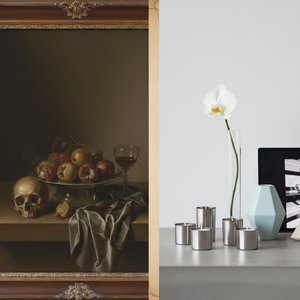
The Enduring Appeal of Still Life: A Historical & Contemporary Exploration
Explore the rich history & symbolism of still life painting with OriginalUniqueArt. Discover masterpieces from the Dutch Golden Age, learn about vanitas art, and find expert guidance for collecting timeless artworks.

Mastering the Line: A Comprehensive Expert Guide to Technical Precision and Expressive Depth in Drawing
Elevate your artistic practice with this expert guide to mastering the line. Discover advanced techniques in graphite, charcoal, and contour drawing designed for art students seeking technical precision and expressive depth in their fine art studies.

