 Ver en contexto
 Enviar
 Compartir
 Detalles
 Guía
Guía

 Descargar
 Similares
 Radiografía
 Presentación de diapositivas
 Q&A
Q&A Estadísticas
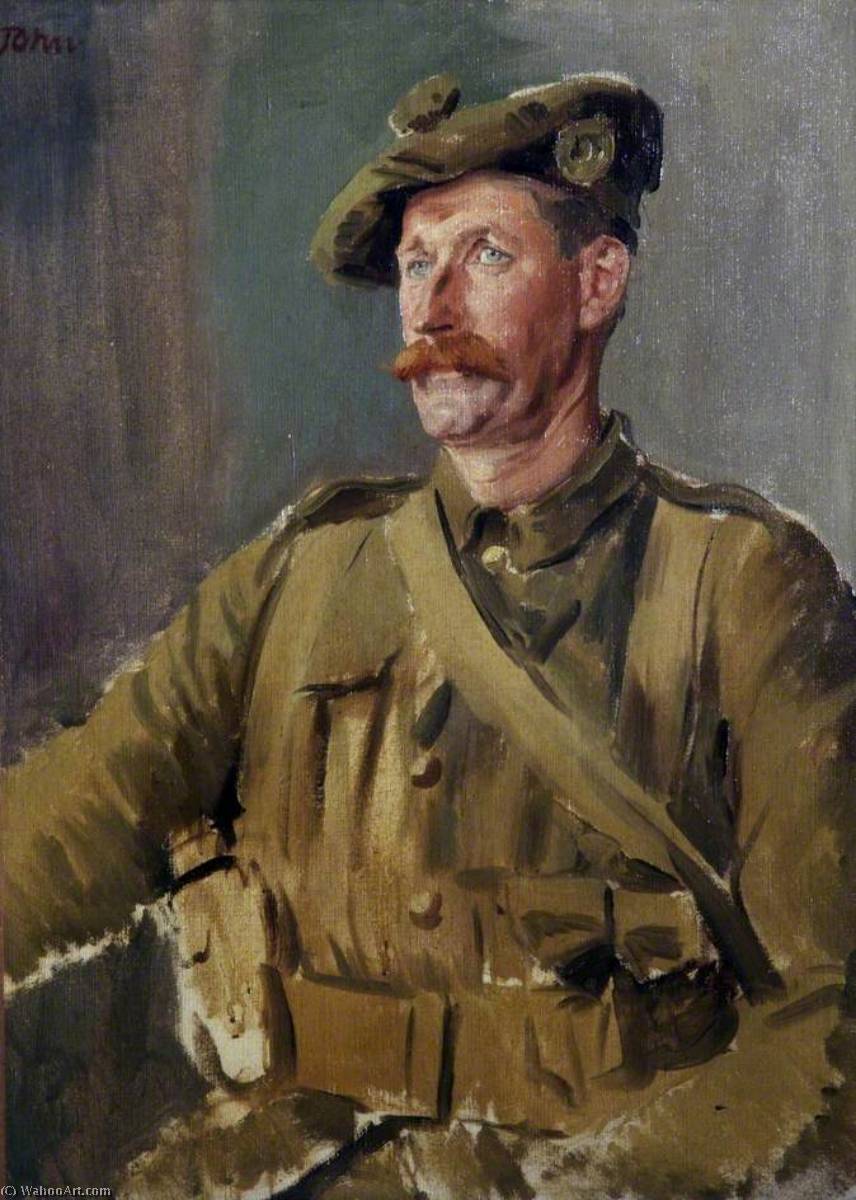
Scottish Canadian Soldier

- 81.0 x 60.0 cm


 Ver más
La obra de arte que se muestra en esta página está protegida por las leyes de propiedad intelectual, lo que significa que no podemos crear ni vender legalmente una reproducción idéntica. Esta protección se hace cumplir en virtud de acuerdos internacionales como el Convenio de Berna y por las leyes nacionales, incluidas aquellas establecidas por el Ley de derechos de autor de los EE. UU. - Título 17.
Este método cumple plenamente con las normativas de derechos de autor, ya que no implica la copia ni la duplicación de la obra protegida. En su lugar, se trata de una reinterpretación creativa: una nueva pintura influenciada por la original, pero que no es idéntica a ella.
Giclée / Impresión de arte
Impresiones giclée o en lienzo de calidad de museo con producción rápida y opciones de acabado flexibles. ( Comprar pintura hecha a mano Cambiar a imagen digital)




P118B €10

P118H €10

P118W €10

P438Z €10

P508JH €12

P508YH €12

P805H €10

P805Z €10

P919BZ €10

P919G €10

P919XJ €10

P959ZH €10

P968JZ €12

W106C €8

W218G €10

W218JH €8

W218Y €10

W307PJ €10

W316G €10

W316PJ €8

W316Y €10

W398PJ €8

W4111J €10

W500HY €15

W500JH €15

W692G €12

W849H €8

W940BG €15

W953PJ €8




Elija entre nuestros tamaños predefinidos que respetan las proporciones originales de la obra.

Introduzca el ancho y el alto que necesite para adaptarse a su marco o pared. Una impresión solo puede recortarse, nunca hacerse más grande que la imagen original, por lo que un tamaño con una forma distinta perderá parte de la obra. Le enviaremos una maqueta digital para su aprobación antes de realizar cualquier impresión. La imagen que se muestra en esta página no refleja el recorte real; solo la maqueta lo hace.
Envío a todo el mundo () en 2 semanas en lugar de las 4/5 semanas estándar. (2 noviembre)

Envío exprés gratuito a todo el mundo

Lienzo de lino de alta calidad

Seguro de envío total

Garantía de reembolso de aranceles aduaneros

Garantía de fidelidad cromática exacta

Política de devolución de 100 días (solo por defectos)

Garantía de devolución del 100% del dinero

Descuento por cantidad
 La opción de vidrio solo está disponible en tamaños inferiores a 110 cm.

Scottish Canadian Soldier
Giclée / Impresión de arte
Dimensiones de la reproducción
-


Precio total final
€ 71
A Gaze Through the Fog of War
In the somber atmosphere of 1940, as the shadows of World War II lengthened across the globe, Augustus Edwin John captured more than just a likeness; he captured a soul in transition. His masterpiece, "Scottish Canadian Soldier," stands as a profound meditation on identity and fortitude during one of history's most turbulent eras. The portrait presents a man whose presence is felt through a quiet, heavy stillness. Dressed in the functional khaki of his era, complete with the distinct buttons and epulence of military service, the soldier does not confront the viewer with bravado. Instead, his gaze is directed slightly off-canvas, an averted look that suggests a mind preoccupied by the weight of duty and the uncertainty of a world at war. This subtle gesture creates an immediate sense of intimacy, inviting the observer to peer into a moment of private introspection.
The technical execution of the piece reveals John’s mastery of the Post-Impressionist tradition. Eschewing the cold precision of photographic realism, the artist utilizes visible, rhythmic brushstrokes that imbue the canvas with a palpable energy and texture. The background is a masterclass in understated solemnity, composed of muted earth tones that recede into a soft, atmospheric haze. This deliberate lack of distraction ensures that the viewer's focus remains anchored to the subject's face—the detailed mustache, the furrowed brow, and the weary yet resilient expression. Through this technique, John does not merely paint the surface of a man; he paints the emotional resonance of his character, using color and light to convey a sense of vulnerability hidden beneath military discipline.
Symbolism and the Spirit of Resilience
Beyond its literal depiction of a soldier, the painting operates on a deeply symbolic level. The choice of an averted gaze serves as a powerful metaphor for the collective experience of a generation facing unprecedented global conflict. It speaks to a reluctance to confront the harsh realities of the front lines, yet it also embodies a quiet, unwavering resolve. There is a haunting beauty in the way the muted palette complements the theme of wartime austerity, creating a piece that feels both timeless and historically anchored. For the collector or the interior designer, this work offers a sophisticated emotional depth; it is a conversation piece that brings a sense of historical gravity and contemplative peace to any space.
For those seeking to adorn their homes or galleries with art that transcends mere decoration, "Scottish Canadian Soldier" provides an unparalleled opportunity. As a high-quality reproduction, this painting allows the nuanced textures and the somber, evocative mood of John's original vision to be experienced anew. It is an ideal selection for spaces designed for reflection—libraries, study halls, or curated living areas—where the interplay of light and shadow can highlight the profound human story told within its frame. To possess such a work is to hold a fragment of 20th-century history, a testament to the enduring strength of the human spirit amidst the storms of change.
Preguntas y respuestas
¿Qué tamaño debería elegir para imprimir "Scottish Canadian Soldier" en mi habitación?
La combinación recomendada para "Scottish Canadian Soldier" de Augustus Edwin John: una impresión de Medium en un/a Living Room.
¿"Scottish Canadian Soldier" de Augustus Edwin John utiliza contrastes fuertes o armonías suaves?
En "Scottish Canadian Soldier", un Gentle contraste se combina con una Strong Color Unity armonía.
¿Es "Scottish Canadian Soldier" más bien clara o más bien oscura en su conjunto?
"Scottish Canadian Soldier" de Augustus Edwin John presenta un nivel de brillo de shadow, con una luminancia de Dark.
Biografía del artista
Augustus Edwin John: Una Vida en el Arte
- Nacido: 4 de enero de 1878, Tenby, Gales
- Fallecido: 31 de octubre de 1961, Fordingbridge, Inglaterra
Primeros Años y Formación Artística
- La vida temprana de John estuvo marcada por su herencia galesa y un entorno familiar solidario. Su madre le inculcó el amor por el dibujo desde una edad temprana.
- Asistió a la Escuela de Arte de Tenby a los 17 años, demostrando una aptitud artística temprana.
- Estudios posteriores en la Slade School of Fine Art, University College London (1894-1898), fueron fundamentales para su desarrollo como artista. Se destacó allí, ganando el Premio Veraniego de Arte Slade en 1898.
- Una lesión significativa en la cabeza en 1897 condujo a un cambio dramático en su personalidad y estilo artístico, marcado por una mayor espontaneidad y audacia.
Estilo Artístico y Obras Principales
- Influencias: La obra de John estuvo influenciada por pintores de la Vieja Escuela como Peter Paul Rubens, así como por contemporáneos franceses como Matisse y Gauguin. También se inspiró en Puvis de Chavannes.
- Estilo: Su estilo evolucionó a través del Postimpresionismo, caracterizado por colores vibrantes, pinceladas expresivas y un enfoque en capturar la esencia de sus sujetos.
- Retratista: John es mejor conocido por sus retratos, que a menudo representaban figuras aristocráticas y personalidades literarias. Tenía una habilidad para capturar una "actitud instantánea" en sus modelos. Ejemplos notables incluyen retratos de David Lloyd George, James Joyce y George Bernard Shaw.
- Obras Notables:
- Caspar (1909): Un retrato conmovedor que muestra la inocencia juvenil.
- Retratos de Archibald Henry Macdonald Sinclair (1924)
- Retrato de Francis Henry Crittall (1919)
- Air Mechanic Shaw (Coronel T. E. Lawrence de Arabia, 1935)
- David John (1937)
- Lore Gitana: Una fascinación por la cultura romaní llevó a un período en el que él y su familia viajaron en una caravana, influyendo en sus temas artísticos y finalmente lo condujo a convertirse en Presidente de la Gypsy Lore Society.
Desarrollo y Significado Histórico
- Inicialmente celebrado por sus dibujos figurativos y sus innovadoras técnicas de óleo, el trabajo posterior de John a veces sufrió un declive en el brillo pictórico, volviéndose más flamboyant que impactante.
- Durante la Primera Guerra Mundial, sirvió como artista de guerra adjunto a las fuerzas canadienses, creando retratos memorables de soldados. Un incidente subsiguiente condujo a su regreso a Inglaterra.
- A pesar de las fluctuaciones en la recepción crítica a lo largo de su carrera, Augustus Edwin John sigue siendo una figura importante en la historia del arte británico. Fue uno de los pocos artistas británicos que logró un reconocimiento público generalizado y ayudó a popularizar el Postimpresionismo en el Reino Unido.
- Su legado radica en su excepcional dominio del dibujo, su capacidad para capturar el carácter en el retrato y su contribución al desarrollo de la pintura moderna británica.
Años Posteriores y Legado
- John recibió la Orden del Mérito en 1942, reconociendo sus contribuciones al arte.
- Escribió dos volúmenes de autobiografía, Chiaroscuro (1952) y Finishing Touches (publicado póstumamente en 1964).
- Si bien su reputación experimentó un declive después de la Segunda Guerra Mundial, ha habido un renovado interés en su obra, particularmente sus piezas tempranas.
- La hermana de John, Gwen John, también fue una artista muy respetada, lo que solidificó aún más el legado artístico familiar.

Augustus Edwin John
1878 - 1961 , Gales
Datos clave
- Artistas Que Influyeron:
- Rubens
- Matisse
- Gauguin
- Fecha De Fallecimiento: 31 de octubre de 1961
- Fecha De Nacimiento: 4 de enero de 1878
- Lugar De Nacimiento: Tenby, Reino Unido
- Movimiento Artístico: Postimpresionismo
- Nacionalidad: Galés
- Nombre Completo: Augustus Edwin John
- Obras Notables:
- Caspar (1909)
- Air Mechanic Shaw (1935)
- David John (1937)
Artículos relacionados

Los 10 Maestros del Postimpresionismo: Obras que Revolucionaron el Arte |
Descubre los 10 cuadros más influyentes del Postimpresionismo: Van Gogh, Monet, Cézanne y más. Explora la historia, técnica y significado de estas obras maestras. Reproducciones de arte en para decorar tu hogar con estilo.
Robert Bevan: Pioneering British Post-Impressionism & the Camden Town Group's Intimate Vision
Explore the life & work of Robert Bevan, a pioneer of British Post-Impressionism and founding member of the Camden Town Group. Discover his vibrant landscapes and lasting impact on early 20th-century art.

Más Allá del Impresionismo: Profundizando en la Emoción y el Simbolismo Postimpresionista
Descubre la profundidad emocional y el simbolismo del Postimpresionismo con OriginalUniqueArt. Análisis experto de Cézanne, Van Gogh, Gauguin y más. Explora la historia y el legado de este fascinante movimiento artístico.

Thomas Stuart Smith: A Study in British Impressionism & the Poetic Landscape
Explore the captivating world of Thomas Stuart Smith (1815-1869), a Scottish painter bridging Romantic realism and British Impressionism. Discover his genre scenes, philanthropic legacy & stunning interiors.

Impresionismo y Postimpresionismo: Una Exploración de la Evolución Artística y sus Distinciones Clave
Explora la evolución del Impresionismo al Postimpresionismo. Descubre sus características, artistas clave y las diferencias esenciales en este análisis experto.


