

 Vista previa
 Compartir
 Compartir
 Ver detalles
 Guía
Guía

 Descargar
 Ver artículos similares
 Radiografía
 Presentación de diapositivas
 Estadísticas
David and Caspar
 Oil On Panel
- Post-Impressionism
 1912
1912 53.0 x 35.0 cm
 Fitzwilliam College
 Leer más
Reproducción al óleo hecha a mano
Óleo sobre lienzo pintado a mano en el tamaño y marco de su elección, realizado por encargo por nuestros artistas. ( Cambiar a formato impreso Ver versión en imagen digital)




P118B €10

P118H €10

P118W €10

P438Z €10

P508JH €12

P508YH €12

P805H €10

P805Z €10

P919BZ €10

P919G €10

P919XJ €10

P959ZH €10

P968JZ €12

W106C €8

W218G €10

W218JH €8

W218Y €10

W307PJ €10

W316G €10

W316PJ €8

W316Y €10

W398PJ €8

W4111J €10

W500HY €15

W500JH €15

W692G €12

W849H €8

W940BG €15

W953PJ €8




Elija entre nuestros tamaños predefinidos que respetan las proporciones originales de la obra.

Puede ingresar sus propias dimensiones para adaptarse a un marco o espacio específico. Si el tamaño seleccionado no coincide con las proporciones de la imagen original, recortaremos la obra o extenderemos la pintura con elementos adicionales pintados a mano. Se le enviará una maqueta digital para su aprobación antes de comenzar la producción.
Tenga en cuenta que la vista previa en pantalla no refleja el recorte o la extensión reales. Solo la maqueta mostrará con precisión la composición final.
Si bien existen tamaños personalizados, recomendamos seleccionar una dimensión de la lista predefinida para preservar las proporciones originales.
Tras realizar el pedido, el equipo de OriginalUniqueArt.com enviará un correo electrónico al cliente para solicitar instrucciones y proporcionarle una vista previa del boceto.
Envío a todo el mundo () en 3-4 semanas en lugar de las 5 semanas estándar. (27 septiembre). Sin comprometer la calidad.

Envío exprés gratuito a todo el mundo

Lienzo de lino de alta calidad

Seguro de envío completo

Garantía de reembolso de impuestos aduaneros

Garantía de fidelidad cromática exacta

Política de devolución de 100 días (solo por defectos)

Garantía de devolución del 100% del dinero

Oferta por volumen
 La opción de vidrio solo está disponible en tamaños inferiores a 110 cm.

David and Caspar
Técnica de reproducción
Tamaño de la reproducción
-


Precio total
€ 258
The Enigmatic Duo: David and Caspar
Augustus Edwin John’s “David and Caspar,” painted in 1912, isn't merely a portrait; it’s a carefully constructed tableau of youthful camaraderie and profound introspection. The canvas immediately draws the viewer into a quiet, sun-drenched meadow, dominated by two figures – a young boy, identified as David, and a slightly older youth, Caspar – standing in relaxed contemplation. Their postures are remarkably naturalistic, suggesting an easy familiarity born from shared experience and mutual respect. John masterfully captures the fleeting expressions of their faces, hinting at unspoken thoughts and a deep connection that transcends mere friendship. The scene is imbued with a palpable sense of serenity, yet beneath this surface tranquility lies a subtle current of melancholy, reflecting perhaps the transient nature of youth and beauty.
John’s style during this period leaned heavily into Post-Impressionism, characterized by bold brushstrokes, vibrant color palettes, and an emphasis on capturing subjective experience rather than photographic realism. He eschewed meticulous detail in favor of conveying mood and atmosphere. Notice the loose application of paint, particularly in the rendering of the sky – a wash of blues and purples that evokes both warmth and a hint of foreboding. The figures themselves are painted with a slightly flattened perspective, contributing to the overall sense of intimacy and immediacy. The choice of medium—oil on panel—allowed John to build up layers of color and texture, creating a rich and luminous surface.
Echoes of Myth and Romanticism
The pairing of “David” and “Caspar” is deliberately evocative, immediately conjuring associations with the biblical story of David and Jonathan. While not a direct illustration of that famous tale, John clearly intended to tap into its powerful themes of loyalty, brotherhood, and sacrifice. The names themselves—David, after the shepherd king, and Caspar, referencing the biblical figure known for his wisdom—suggest a deliberate layering of symbolism. Furthermore, the painting resonates with the spirit of Romanticism, a movement that prized emotion, individualism, and the sublime beauty of nature. The meadow setting, bathed in golden light, embodies this ideal – a space of tranquility and spiritual reflection.
The inclusion of Caspar adds an intriguing layer to the composition. He’s not simply a companion; he possesses a certain gravitas, a quiet intensity that contrasts with David's youthful exuberance. Some art historians have suggested that Caspar represents the older generation, offering guidance and wisdom to the younger boy. The subtle shift in gaze between the two figures—David looking slightly upwards, as if contemplating something beyond the immediate scene—further reinforces this interpretation. The painting invites us to ponder the complexities of human relationships and the enduring power of youthful bonds.
A Window into John’s World
Augustus Edwin John was a complex and often enigmatic figure, known for his bohemian lifestyle and unconventional artistic practices. Born in Wales, he spent much of his life traveling throughout Europe, immersing himself in diverse cultures and artistic traditions. His work is deeply personal, reflecting his own experiences and emotions. “David and Caspar” offers a glimpse into this world—a world of passionate friendships, spiritual quests, and a profound appreciation for the beauty of the natural world. The painting’s enduring appeal lies not only in its technical skill but also in its ability to evoke a sense of nostalgia and wonder.
Further research reveals that John was particularly fascinated by the Romani people, whom he often depicted in his paintings. His interest in their culture led him to travel extensively throughout Europe, documenting their lives and customs. The painting’s composition—with its emphasis on natural light and simple forms—can be seen as a reflection of this fascination with the beauty of everyday life. The inclusion of Caspar, a figure who appears to be of Romani descent, adds another layer of complexity to the painting's symbolism.
Useful Links:
- David and Caspar (OriginalUniqueArt)
- David and Caspar, 1912 - Augustus John - WikiArt.org (WikiArt)
- Augustus Edwin John (Wikipedia)
Biografía del artista
Augustus Edwin John: Una Vida en el Arte
- Nacido: 4 de enero de 1878, Tenby, Gales
- Fallecido: 31 de octubre de 1961, Fordingbridge, Inglaterra
Primeros Años y Formación Artística
- La vida temprana de John estuvo marcada por su herencia galesa y un entorno familiar solidario. Su madre le inculcó el amor por el dibujo desde una edad temprana.
- Asistió a la Escuela de Arte de Tenby a los 17 años, demostrando una aptitud artística temprana.
- Estudios posteriores en la Slade School of Fine Art, University College London (1894-1898), fueron fundamentales para su desarrollo como artista. Se destacó allí, ganando el Premio Veraniego de Arte Slade en 1898.
- Una lesión significativa en la cabeza en 1897 condujo a un cambio dramático en su personalidad y estilo artístico, marcado por una mayor espontaneidad y audacia.
Estilo Artístico y Obras Principales
- Influencias: La obra de John estuvo influenciada por pintores de la Vieja Escuela como Peter Paul Rubens, así como por contemporáneos franceses como Matisse y Gauguin. También se inspiró en Puvis de Chavannes.
- Estilo: Su estilo evolucionó a través del Postimpresionismo, caracterizado por colores vibrantes, pinceladas expresivas y un enfoque en capturar la esencia de sus sujetos.
- Retratista: John es mejor conocido por sus retratos, que a menudo representaban figuras aristocráticas y personalidades literarias. Tenía una habilidad para capturar una "actitud instantánea" en sus modelos. Ejemplos notables incluyen retratos de David Lloyd George, James Joyce y George Bernard Shaw.
- Obras Notables:
- Caspar (1909): Un retrato conmovedor que muestra la inocencia juvenil.
- Retratos de Archibald Henry Macdonald Sinclair (1924)
- Retrato de Francis Henry Crittall (1919)
- Air Mechanic Shaw (Coronel T. E. Lawrence de Arabia, 1935)
- David John (1937)
- Lore Gitana: Una fascinación por la cultura romaní llevó a un período en el que él y su familia viajaron en una caravana, influyendo en sus temas artísticos y finalmente lo condujo a convertirse en Presidente de la Gypsy Lore Society.
Desarrollo y Significado Histórico
- Inicialmente celebrado por sus dibujos figurativos y sus innovadoras técnicas de óleo, el trabajo posterior de John a veces sufrió un declive en el brillo pictórico, volviéndose más flamboyant que impactante.
- Durante la Primera Guerra Mundial, sirvió como artista de guerra adjunto a las fuerzas canadienses, creando retratos memorables de soldados. Un incidente subsiguiente condujo a su regreso a Inglaterra.
- A pesar de las fluctuaciones en la recepción crítica a lo largo de su carrera, Augustus Edwin John sigue siendo una figura importante en la historia del arte británico. Fue uno de los pocos artistas británicos que logró un reconocimiento público generalizado y ayudó a popularizar el Postimpresionismo en el Reino Unido.
- Su legado radica en su excepcional dominio del dibujo, su capacidad para capturar el carácter en el retrato y su contribución al desarrollo de la pintura moderna británica.
Años Posteriores y Legado
- John recibió la Orden del Mérito en 1942, reconociendo sus contribuciones al arte.
- Escribió dos volúmenes de autobiografía, Chiaroscuro (1952) y Finishing Touches (publicado póstumamente en 1964).
- Si bien su reputación experimentó un declive después de la Segunda Guerra Mundial, ha habido un renovado interés en su obra, particularmente sus piezas tempranas.
- La hermana de John, Gwen John, también fue una artista muy respetada, lo que solidificó aún más el legado artístico familiar.

Augustus Edwin John
1878 - 1961 , Gales
Datos clave
- Artistas Que Influyeron:
- Rubens
- Matisse
- Gauguin
- Fecha De Fallecimiento: 31 de octubre de 1961
- Fecha De Nacimiento: 4 de enero de 1878
- Lugar De Nacimiento: Tenby, Reino Unido
- Movimiento Artístico: Postimpresionismo
- Nacionalidad: Galés
- Nombre Completo: Augustus Edwin John
- Obras Notables:
- Caspar (1909)
- Air Mechanic Shaw (1935)
- David John (1937)
Artículos relacionados
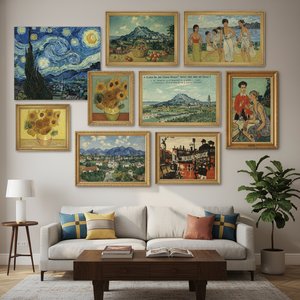
Los 10 Maestros del Postimpresionismo: Obras que Revolucionaron el Arte |
Descubre los 10 cuadros más influyentes del Postimpresionismo: Van Gogh, Monet, Cézanne y más. Explora la historia, técnica y significado de estas obras maestras. Reproducciones de arte en para decorar tu hogar con estilo.

Impresionismo y Postimpresionismo: Una Exploración de la Evolución Artística y sus Distinciones Clave
Explora la evolución del Impresionismo al Postimpresionismo. Descubre sus características, artistas clave y las diferencias esenciales en este análisis experto.

John Singer Sargent: Las 25 Obras Maestras del Retrato y la Belle Époque | OriginalUniqueArt
Descubre las 25 obras maestras de John Singer Sargent, el maestro del retrato y la Belle Époque. Explora su técnica impresionista, historias fascinantes y encuentra reproducciones de arte exclusivas para decorar tu hogar con elegancia en OriginalUniqueArt.com.

John Constable: Las 25 Obras Maestras del Paisaje Inglés | OriginalUniqueArt
Descubre las 25 obras maestras de John Constable, el pintor romántico inglés que capturó la belleza del paisaje. Explora su técnica, historia y significado en OriginalUniqueArt.com. Reproducciones de arte de alta calidad para tu hogar.
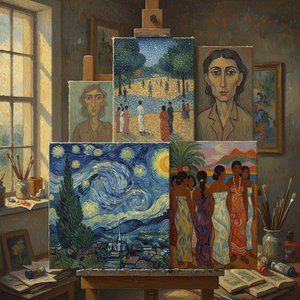
Más Allá del Impresionismo: Profundizando en la Emoción y el Simbolismo Postimpresionista
Descubre la profundidad emocional y el simbolismo del Postimpresionismo con OriginalUniqueArt. Análisis experto de Cézanne, Van Gogh, Gauguin y más. Explora la historia y el legado de este fascinante movimiento artístico.


