

 Vista previa
 Compartir
 Compartir
 Ver detalles
 Guía
Guía

 Descargar
 Ver artículos similares
 Radiografía
 Presentación de diapositivas
 Estadísticas
Eqyptian drink vendor
 Oil On Canvas
- WallArt
- Impressionism
 1897
1897- 19th Century
 183.0 x 332.0 cm
 Galería Nacional de Australia
 Leer más
Giclée / Impresión de arte
Impresiones giclée o en lienzo de calidad de museo con producción rápida y opciones de acabado flexibles. ( Encargar reproducción pintada a mano Ver versión en imagen digital)




P118B $10

P118H $10

P118W $10

P438Z $10

P508JH $12

P508YH $12

P805H $10

P805Z $10

P919BZ $10

P919G $10

P919XJ $10

P959ZH $10

P968JZ $12

W106C $8

W218G $10

W218JH $8

W218Y $10

W307PJ $10

W316G $10

W316PJ $8

W316Y $10

W398PJ $8

W4111J $10

W500HY $15

W500JH $15

W692G $12

W849H $8

W940BG $15

W953PJ $8




Elija entre nuestros tamaños predefinidos que respetan las proporciones originales de la obra.

Puede introducir sus propias dimensiones para adaptarse a un marco o espacio específico. Si el tamaño seleccionado no coincide con las proporciones de la imagen original, recortaremos la obra de arte o extenderemos la imagen con un borde con efecto espejo o de color sólido. Se enviará una maqueta digital para su aprobación antes de que comience la producción.
Tenga en cuenta que la vista previa en pantalla no refleja el recorte o la extensión real. Solo la maqueta mostrará con precisión la composición final.
Aunque existen tamaños personalizados, recomendamos seleccionar una dimensión de la lista predefinida para preservar las proporciones originales.
Envío a todo el mundo () en 2 semanas en lugar de las 4/5 semanas estándar. (25 septiembre)

Envío exprés gratuito a todo el mundo

Lienzo de lino de alta calidad

Seguro de envío completo

Garantía de reembolso de impuestos aduaneros

Garantía de fidelidad cromática exacta

Política de devolución de 100 días (solo por defectos)

Garantía de devolución del 100% del dinero

Oferta por volumen
 La opción de vidrio solo está disponible en tamaños inferiores a 110 cm.

Eqyptian drink vendor
Giclée / Impresión de arte
Tamaño de la reproducción
-


Precio total
$ 80
A Moment Frozen in Time: Arthur Streeton’s “Eqyptian Drink Vendor”
Arthur Streeton's "Eqyptian Drink Vendor," painted in 1897, isn’t merely a depiction of a street scene; it’s a vibrant snapshot of late Victorian Australia, imbued with the burgeoning spirit of Impressionism and the unique light that captivated Australian artists. The painting immediately draws the eye to its central figure – a weathered man offering refreshments from a large basket overflowing with colorful flowers, likely intended as tokens of goodwill or perhaps simply decorative elements within his trade. He stands on what appears to be a worn stone or tiled surface, suggesting a bustling marketplace or public thoroughfare, hinting at a life lived amidst the energy and commerce of a growing urban center.
Streeton’s masterful technique is immediately evident in the loose, expressive brushstrokes that define the scene. The artist eschews precise detail in favor of capturing the *impression* of light and atmosphere – a hallmark of the Heidelberg School, to which Streeton belonged. Notice how he uses short, broken strokes of color to build up form, creating a palpable sense of texture on the man’s clothing, the basket's woven material, and even the suggestion of the distant cityscape. The palette is predominantly warm, dominated by earthy reds, ochres, and yellows, punctuated by the vibrant hues of the flowers themselves. This careful orchestration of color isn’t simply decorative; it reflects the Australian landscape – the red earth, the golden sunlight, and the rich tones of native flora.
The Language of Light: Impressionism in the Australian Bush
Streeton's approach to painting was deeply influenced by his experiences observing the unique qualities of light in the Australian bush. Unlike European artists who often worked indoors or in controlled studio conditions, Streeton embraced *plein air* painting – working directly from nature. This commitment resulted in a distinctive style characterized by an intense focus on capturing the fleeting effects of sunlight and shadow. The diffused lighting in “Eqyptian Drink Vendor” perfectly exemplifies this approach; it’s not about rendering a photographic likeness but rather conveying the feeling of being present within that specific moment, bathed in the warm glow of the afternoon sun.
The flattened perspective, a common characteristic of Impressionism, further contributes to the painting's immersive quality. Streeton prioritizes capturing the overall impression over strict spatial accuracy, inviting the viewer to step into the scene and experience it alongside the vendor. The background is deliberately blurred, creating a sense of depth through atmospheric perspective – the gradual softening of details as they recede into the distance. This technique effectively anchors the figure in the foreground, ensuring that our attention remains focused on his solitary presence.
Symbolism and Cultural Context
Beyond its aesthetic qualities, “Eqyptian Drink Vendor” offers a glimpse into the social fabric of late 19th-century Australia. The vendor himself represents a common figure in bustling urban centers – a provider of goods and services, connecting with the community through his trade. The flowers he carries are not merely decorative; they hold symbolic significance, often representing beauty, prosperity, and generosity. They could be offered as tokens of goodwill or perhaps even as payment for his services.
The painting’s title itself is intriguing. While the vendor appears to be offering drinks, the reference to “Egypt” might allude to the exoticism and allure of foreign cultures that were increasingly prevalent in Victorian society. It could also represent a broader theme of cultural exchange and interaction within the rapidly evolving Australian landscape. The inclusion of this detail adds another layer of complexity to the painting’s narrative.
A Legacy of Light: Streeton's Enduring Appeal
Arthur Streeton’s “Eqyptian Drink Vendor” is more than just a beautiful painting; it’s a testament to the power of observation, the beauty of light, and the spirit of innovation that defined Australian art in the late 19th century. Streeton's pioneering work helped establish Impressionism as a distinct movement within Australia, paving the way for future generations of artists to explore the unique challenges and opportunities presented by the country’s landscape. Today, reproductions of this captivating artwork continue to resonate with viewers, offering a glimpse into a bygone era and reminding us of the enduring appeal of capturing fleeting moments in time.
Biografía del artista
Primeros años y formación
Arthur Ernest Streeton, un destacado pintor paisajista australiano, nació el 8 de abril de 1867 en Duneed, Victoria. Comenzó su trayectoria artística en la National Gallery School bajo la tutela de George Folingsby en 1882. Esta temprana formación sentó las bases para su éxito como miembro destacado de la Escuela Heidelberg, también conocida como impresionismo australiano.Carrera y desarrollo artístico
El trabajo de Streeton mejoró rápidamente durante sus años formativos, y en 1888 fue ampliamente considerado uno de los pintores más dotados de Victoria. Su asociación con otros artistas, Tom Roberts y Frederick McCubbin, condujo a la formación de un período de dos años de estrecha compañía creativa, que eventualmente se conocería como el movimiento de la Escuela Heidelberg. Durante este tiempo, Streeton experimentó con técnicas de pintura *en plein air*, capturando la luz distintiva australiana en sus obras. Su estilo evolucionó hacia una representación más impresionista del paisaje, influenciado por artistas franceses contemporáneos.El campamento de Eaglemont y obras destacadas
La época de Streeton en el campamento de Eaglemont en 1888 marcó un punto de inflexión significativo en su carrera. Este período vio la creación de obras notables como *Golden Summer, Eaglemont (1889)* y *"Still glides the stream, and shall for ever glide" (1890)*. Estas escenas pastorales bañadas por el sol mostraban el estilo único de Streeton, que luego se exhibió en la Royal Academy de Londres y recibió una mención honorable en el Salón de París de 1892. Estas pinturas son representativas del auge del impresionismo australiano y su capacidad para capturar la belleza natural del país.Viajes a Europa y servicio durante la Primera Guerra Mundial
En 1897, Streeton zarpó hacia Londres, buscando reconocimiento internacional. Aunque desarrolló una reputación considerable en Australia, no logró el mismo éxito en Inglaterra. Con el estallido de la Primera Guerra Mundial, se unió al Royal Army Medical Corps como ordenanza en el Hospital General número 3 de Wandsworth. Más tarde fue nombrado artista oficial de guerra por Australia en mayo de 1918 y sirvió en Francia, documentando las escenas del frente occidental. Sus dibujos, acuarelas y pinturas muestran la sede del AIF en St Gratien, Glisy y Heilly, estaciones de curación en Villers-Bretonneaux, estudios de paisajes y escenas de maquinaria destruida.Legado e influencia
Streeton regresó a Australia en 1920, convirtiéndose en un artista famoso y popular. Fue nombrado caballero en 1937 por sus servicios al arte y falleció el 1 de septiembre de 1943 en Olinda, Victoria. Su trabajo continúa siendo celebrado por su representación lírica del paisaje australiano y su contribución a la formación de una identidad artística nacional. Streeton influyó en generaciones posteriores de artistas australianos, inspirándolos a explorar los temas del paisaje y la luz con un enfoque impresionista.
Arthur Streeton
1867 - 1943 , Australia
Datos clave
- Artistas Influenciados: ['Heidelberg School']
- Artistas Que Influyeron: ['Girolamo Nerli']
- Fecha De Fallecimiento: 1 de septiembre de 1943
- Fecha De Nacimiento: 8 de abril de 1867
- Lugar De Nacimiento: Mount Moriac, Australia
- Movimiento Artístico: Impresionismo australiano
- Nacionalidad: Australiano
- Nombre Completo: Arthur Ernest Streeton
- Obras Notables:
- Verano dorado, Eaglemont
- Still glides the stream
- El espíritu de la sequía
Artículos relacionados

Impresionismo y Postimpresionismo: Una Exploración de la Evolución Artística y sus Distinciones Clave
Explora la evolución del Impresionismo al Postimpresionismo. Descubre sus características, artistas clave y las diferencias esenciales en este análisis experto.

Impresionismo vs. Postimpresionismo: Un Viaje de la Luz Fugaz a la Profundidad del Alma Artística
Descubra la distinción entre el Impresionismo y el Postimpresionismo. Explore la maestría de la luz y la emoción a través de nuestras exclusivas reproducciones al óleo hechas a mano, diseñadas para coleccionistas que buscan autenticidad, técnica y elegancia atemporal.
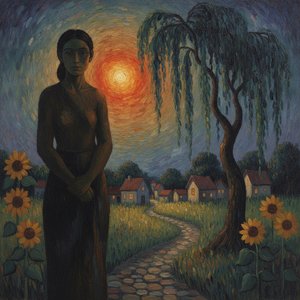
Beyond the Light: Discovering the Soul and Emotional Depth of Post-Impressionism
Embark on a cultural journey through Post-Impressionism. Discover the profound emotional depth of masters like Van Gogh and Cézanne, exploring how they moved beyond light to capture the very soul of human experience through vibrant color and symbolic form.
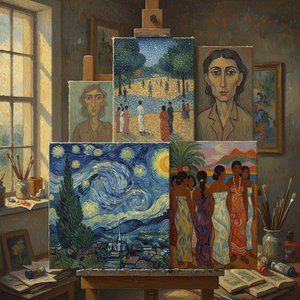
Más Allá del Impresionismo: Profundizando en la Emoción y el Simbolismo Postimpresionista
Descubre la profundidad emocional y el simbolismo del Postimpresionismo con OriginalUniqueArt. Análisis experto de Cézanne, Van Gogh, Gauguin y más. Explora la historia y el legado de este fascinante movimiento artístico.

Los 10 Maestros del Postimpresionismo: Obras que Revolucionaron el Arte |
Descubre los 10 cuadros más influyentes del Postimpresionismo: Van Gogh, Monet, Cézanne y más. Explora la historia, técnica y significado de estas obras maestras. Reproducciones de arte en para decorar tu hogar con estilo.


