
 Vista previa
 Compartir
 Compartir
 Ver detalles
 Guía
Guía

 Descargar
 Ver artículos similares
 Radiografía
 Presentación de diapositivas
 Estadísticas
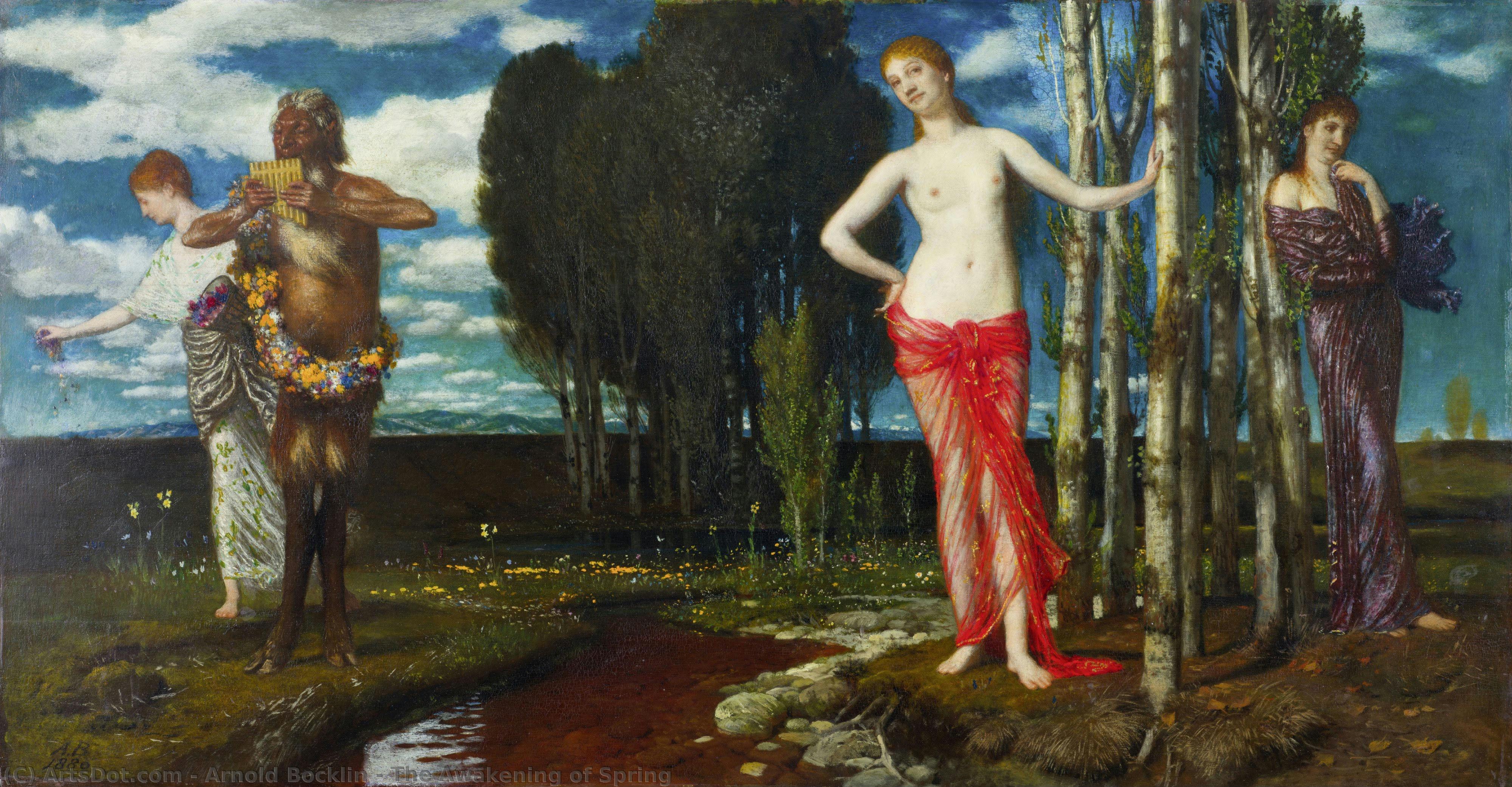
The Awakening of Spring


 Leer más
Giclée / Impresión de arte
Impresiones giclée o en lienzo de calidad de museo con producción rápida y opciones de acabado flexibles. ( Encargar reproducción pintada a mano Ver versión en imagen digital)




P118B $10

P118H $10

P118W $10

P438Z $10

P508JH $12

P508YH $12

P805H $10

P805Z $10

P919BZ $10

P919G $10

P919XJ $10

P959ZH $10

P968JZ $12

W106C $8

W218G $10

W218JH $8

W218Y $10

W307PJ $10

W316G $10

W316PJ $8

W316Y $10

W398PJ $8

W4111J $10

W500HY $15

W500JH $15

W692G $12

W849H $8

W940BG $15

W953PJ $8




Elija entre nuestros tamaños predefinidos que respetan las proporciones originales de la obra.

Puede introducir sus propias dimensiones para adaptarse a un marco o espacio específico. Si el tamaño seleccionado no coincide con las proporciones de la imagen original, recortaremos la obra de arte o extenderemos la imagen con un borde con efecto espejo o de color sólido. Se enviará una maqueta digital para su aprobación antes de que comience la producción.
Tenga en cuenta que la vista previa en pantalla no refleja el recorte o la extensión real. Solo la maqueta mostrará con precisión la composición final.
Aunque existen tamaños personalizados, recomendamos seleccionar una dimensión de la lista predefinida para preservar las proporciones originales.
Envío a todo el mundo () en 2 semanas en lugar de las 4/5 semanas estándar. (25 septiembre)

Envío exprés gratuito a todo el mundo

Lienzo de lino de alta calidad

Seguro de envío completo

Garantía de reembolso de impuestos aduaneros

Garantía de fidelidad cromática exacta

Política de devolución de 100 días (solo por defectos)

Garantía de devolución del 100% del dinero

Oferta por volumen
 La opción de vidrio solo está disponible en tamaños inferiores a 110 cm.

The Awakening of Spring
Giclée / Impresión de arte
Tamaño de la reproducción
-


Precio total
$ 80
A Dreamscape of Renewal: Arnold Böcklin’s “The Awakening of Spring”
Arnold Böcklin's "The Awakening of Spring" (Frühlingserwachen), painted in 1880, isn’t merely a depiction of springtime; it’s an immersion into a realm of potent symbolism and haunting beauty. This oil-on-wood panel, currently residing within the Kunsthaus Zürich’s collection, immediately draws the viewer into a world where the boundaries between reality and dream blur, inviting contemplation on themes of rebirth, mortality, and the ephemeral nature of existence. Böcklin, a pivotal figure in the Symbolist movement, masterfully employs muted colors—primarily blues, greens, and browns—to create an atmosphere of serene melancholy, a characteristic deeply rooted in his exploration of death and the subconscious.
The scene unfolds with a group of nude women, their forms graceful yet subtly melancholic, gathered around a cluster of blossoming trees. They are not engaged in boisterous revelry but rather seem lost in quiet contemplation, embodying a sense of serene detachment from the world. Their poses—one holding her hands to her hips, another gazing into the distance—suggest a profound connection with nature and an awareness of their own vulnerability within it. The figures aren’t presented as idealized beauties; instead, they possess a certain fragility and timelessness, reflecting Böcklin's fascination with archetypal imagery and the enduring power of myth.
The Roots of Symbolism: Context and Influences
To fully appreciate “The Awakening of Spring,” it’s crucial to understand the artistic currents that shaped Böcklin’s vision. The late 19th century witnessed a growing disillusionment with rationalism and industrialization, leading artists and intellectuals alike to seek solace in the realms of myth, folklore, and the subconscious. Symbolism, emerging from this context, rejected realism in favor of evocative imagery designed to stimulate emotional and spiritual responses. Böcklin’s work is profoundly influenced by Pre-Raphaelitism, particularly the romantic landscapes and allegorical figures of artists like William Holman Hunt and Dante Gabriel Rossetti. Furthermore, he drew inspiration from the writings of Edgar Allan Poe and the philosophies of Friedrich Nietzsche, incorporating elements of darkness, decay, and psychological intensity into his compositions.
The painting’s genesis is intertwined with a personal tragedy – Böcklin's daughter, Maria, died at a young age. This loss undoubtedly fueled his preoccupation with themes of mortality and the cyclical nature of life and death. The image of the “Isle of the Dead,” which he revisited repeatedly throughout his career, served as a visual anchor for these explorations, providing a framework for depicting the transition between worlds.
Decoding the Symbolism: Figures and Flora
Each element within "The Awakening of Spring" carries symbolic weight. The nude figures represent not just physical beauty but also vulnerability, innocence, and a connection to the natural world. Their lack of adornment emphasizes their essential nature, stripped bare of societal constraints. The trees themselves are laden with blossoms—a potent symbol of rebirth, fertility, and the promise of new beginnings. However, the muted palette and the figures’ somber expressions suggest that this renewal is not without its melancholy undertones. The presence of a single bird in the upper left corner adds another layer of meaning, representing hope and freedom amidst the prevailing atmosphere of quiet contemplation.
Notably, the painting echoes Botticelli's "Primavera," a work that itself embodies the themes of spring and renewal. Böcklin’s interpretation, however, is far more introspective and psychologically complex, reflecting his Symbolist sensibilities. The figures are not celebrating the arrival of spring; they are engaged in a silent dialogue with its mysteries—a meditation on life's fleeting beauty and inevitable decay.
A Timeless Resonance: Emotional Impact and Legacy
“The Awakening of Spring” continues to resonate deeply with viewers today, largely due to its evocative atmosphere and profound exploration of universal themes. It’s a painting that invites introspection, prompting us to consider our own relationship with nature, mortality, and the enduring power of dreams. The work's haunting beauty and subtle symbolism have cemented Böcklin’s place as one of the most important figures in Symbolist art, influencing generations of artists and inspiring countless interpretations. Reproductions of this masterpiece offer a window into a world of profound emotional depth—a testament to Böcklin’s extraordinary artistic vision.
Biografía del artista
Primeros años y formación
Arnold Böcklin, pintor simbolista suizo, nació el 16 de octubre de 1827 en Basilea, Suiza. Su padre, Christian Frederick Böcklin, descendía de una antigua familia de Schaffhausen y se dedicaba al comercio de seda. La madre de Arnold, Ursula Lippe, era nativa de la misma ciudad. Estudió en la Academia de Düsseldorf bajo Schirmer, convirtiéndose en amigo de Anselm Feuerbach. Böcklin está asociado con la Escuela de Düsseldorf de pintura.Carrera artística y simbolismo
El viaje artístico de Böcklin lo llevó a varias ciudades, incluyendo París, donde trabajó en el Louvre, y Roma, donde fue influenciado por sus vistas. Su obra a menudo presentaba figuras alegóricas y mitológicas en entornos que involucraban arquitectura clásica, explorando temas de la muerte y la mortalidad.- Great Park, una de sus primeras obras, mostró la antigua mitología.
- Ninfa y Sátiro (1858) y Safo (1859) fueron obras notables de este período.
- El retrato de Böcklin de sí mismo, con la muerte tocando un violín (1872), ejemplificó su estilo único.
Evolución artística e influencias
La obra de Böcklin evolucionó hacia un simbolismo más profundo y evocador. Se inspiró en la literatura clásica, la mitología griega y romana, y el paisaje suizo. Su interés por temas como la muerte, la melancolía y la naturaleza se reflejó en sus pinturas con una atmósfera onírica y misteriosa. Böcklin fue influenciado por artistas como Peter Cornelius y Philipp Veit, así como por las ideas del movimiento prerrafaelita.Logros principales e impacto
Böcklin es mejor conocido por sus cinco versiones de La Isla de los Muertos (1880-1886), que evocaban el cementerio inglés en Florencia, donde estaba enterrada su hija. Esta obra maestra se convirtió en un símbolo del simbolismo tardorromántico y ha inspirado a numerosos artistas y compositores. Su trabajo influyó en artistas más jóvenes como Hans Thoma e inspiró a varios compositores de la época romántica tardía. Clement Greenberg describió su obra como "una de las expresiones más consumadas" de su tiempo.Legado e importancia histórica
El estilo de Böcklin se superpone con el de los prerrafaelitas, enfatizando el mundo de los sueños y el misticismo. Su capacidad para crear imágenes evocadoras y simbólicas lo convirtió en una figura clave del movimiento simbolista. Su obra sigue siendo admirada por su belleza melancólica, su profundidad psicológica y su impacto duradero en el arte occidental.Museos y colecciones
La obra de Böcklin se puede encontrar en varios museos, incluyendo:- Öffentliche Kunstsammlung (Basilea, Suiza)
- Kunstmuseum Basel (Suiza)
- Museum Kunsthaus Zürich (Zúrich, Suiza)
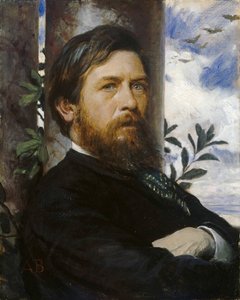
Arnold Böcklin
1827 - 1901 , Suiza
Datos clave
- Artistas Que Influyeron: ['Anselm Feuerbach']
- Fallecimiento: 16 de enero de 1901
- Fecha De Nacimiento: 16 de octubre de 1827
- Influenciado A Artistas: ['Hans Thoma']
- Lugar De Nacimiento: Basilea, Suiza
- Movimiento Artístico: Simbolismo
- Nacionalidad: Suizo
- Nombre Completo: Arnold Böcklin
- Obras Notables:
- Isla de la Muerte
- La Guerra
- Ninfas y sátiros
Artículos relacionados

Arboreal Echoes: A Historical & Artistic Exploration of Trees in Painting
Explore the rich history of trees in painting! Discover symbolism, Romantic masterpieces by Caspar David Friedrich & beyond. A curated journey for art enthusiasts.
Portrayals of Power & Perception: A Historical Survey of Women in Art
Explore the rich history of women in art – from iconic muses to groundbreaking artists. Discover feminist movements & reclaim female narratives with OriginalUniqueArt. Expert insights for discerning collectors.

The Enduring Allure of the Nude: A Historical & Artistic Exploration of the Human Form
Explore the captivating history of nude art! Discover iconic paintings & artists from classical to modern eras. Uncover symbolism, techniques & find museum-quality reproductions at OriginalUniqueArt.
Arboreal Echoes: A Historical & Artistic Exploration of Trees in Painting
Explore the rich history of trees in painting! Discover symbolism, Romantic masterpieces by Caspar David Friedrich & beyond. A curated journey for art enthusiasts.

The Enduring Muse: Women as Subject & Symbol in Art History
Explore the rich history of women in art – from iconic muses to groundbreaking artists. Discover feminist movements, global perspectives & reclaim female narratives with OriginalUniqueArt.


