

 Vista previa
 Compartir
 Compartir
 Ver detalles
 Guía
Guía

 Descargar
 Ver artículos similares
 Radiografía
 Presentación de diapositivas
 Estadísticas
Centaur at the Village Blacksmith's Shop
 Oil On Canvas
- WallArt
- Symbolist Painting
 1888
1888- 19th Century
 100.0 x 80.0 cm
 Museo de Bellas Artes (Budapest)
 Leer más
Giclée / Impresión de arte
Impresiones giclée o en lienzo de calidad de museo con producción rápida y opciones de acabado flexibles. ( Encargar reproducción pintada a mano Ver versión en imagen digital)




P118B $10

P118H $10

P118W $10

P438Z $10

P508JH $12

P508YH $12

P805H $10

P805Z $10

P919BZ $10

P919G $10

P919XJ $10

P959ZH $10

P968JZ $12

W106C $8

W218G $10

W218JH $8

W218Y $10

W307PJ $10

W316G $10

W316PJ $8

W316Y $10

W398PJ $8

W4111J $10

W500HY $15

W500JH $15

W692G $12

W849H $8

W940BG $15

W953PJ $8




Elija entre nuestros tamaños predefinidos que respetan las proporciones originales de la obra.

Puede introducir sus propias dimensiones para adaptarse a un marco o espacio específico. Si el tamaño seleccionado no coincide con las proporciones de la imagen original, recortaremos la obra de arte o extenderemos la imagen con un borde con efecto espejo o de color sólido. Se enviará una maqueta digital para su aprobación antes de que comience la producción.
Tenga en cuenta que la vista previa en pantalla no refleja el recorte o la extensión real. Solo la maqueta mostrará con precisión la composición final.
Aunque existen tamaños personalizados, recomendamos seleccionar una dimensión de la lista predefinida para preservar las proporciones originales.
Envío a todo el mundo () en 2 semanas en lugar de las 4/5 semanas estándar. (25 septiembre)

Envío exprés gratuito a todo el mundo

Lienzo de lino de alta calidad

Seguro de envío completo

Garantía de reembolso de impuestos aduaneros

Garantía de fidelidad cromática exacta

Política de devolución de 100 días (solo por defectos)

Garantía de devolución del 100% del dinero

Oferta por volumen
 La opción de vidrio solo está disponible en tamaños inferiores a 110 cm.

Centaur at the Village Blacksmith's Shop
Giclée / Impresión de arte
Tamaño de la reproducción
-


Precio total
$ 80
A Moment Frozen in Mythic Time
In the quietude of Arnold Böcklin’s 1888 masterpiece, “Centaur at the Village Blacksmith's Shop,” the boundaries between the mundane and the miraculous dissolve into a single, haunting tableau. As a cornerstone of the Symbolist movement, this work transcends mere representation to explore the profound psychological depths of the human condition. The scene presents a striking juxtaposition: the rhythmic, grounded labor of a village blacksmith’s forge set against the presence of a solitary centaur. This half-man, half-horse figure, engaged in the seemingly ordinary task of shoeing a horse, introduces an unsettling tension into the rural tranquility. Böcklin masterfully uses a palette of muted browns, greys, and earthy tones to create an atmosphere of palpable stillness, inviting the viewer to step into a world where the echoes of classical antiquity still resonate within the heart of modern civilization.
The technical brilliance of the piece lies in Böcklin’s command of chiaroscuro, the dramatic interplay between light and shadow that breathes life into the textures of the blacksmith's shop. Every detail—from the solidity of the forge to the heavy, weathered tools—is rendered with a meticulousness that emphasizes the permanence of human industry. Yet, this stability is interrupted by the centaur’s gaze, which pierces through the canvas to meet the viewer directly. This connection is laden with melancholy, hinting at a hidden narrative of lost innocence and the struggle between primal instinct and civilized intellect. For the discerning collector or interior designer, the painting offers more than just visual beauty; it provides a window into the duality of existence, making it a profound focal point for any space dedicated to contemplation and intellectual depth.
Symbolism and the Echoes of Antiquity
To gaze upon this artwork is to engage in a dialogue with the very essence of myth. Böcklin draws heavily from classical mythology to weave a complex tapestry of meaning, utilizing the centaur as a potent symbol of untamed nature and raw, instinctual knowledge. In the context of the blacksmith's shop—a symbol of human reason, artistry, and the established order—the centaur represents the enduring power of our primal origins that refuses to be fully tamed by progress. This tension between the wild and the civilized is what gives the painting its enduring emotional resonance.
For those seeking to infuse their homes with art that tells a story, this reproduction serves as an evocative piece of decor. It captures a sense of nostalgia for a perceived era of simplicity while simultaneously challenging the viewer with its mythological complexity. Whether placed in a grand library or a quiet study, the painting’s ability to evoke both peace and profound inquiry makes it an incomparable addition to a curated collection. It is not merely a depiction of a scene, but an invitation to explore the complexities of our own nature through the lens of a master who understood the silent language of symbols.
Biografía del artista
Primeros años y formación
Arnold Böcklin, pintor simbolista suizo, nació el 16 de octubre de 1827 en Basilea, Suiza. Su padre, Christian Frederick Böcklin, descendía de una antigua familia de Schaffhausen y se dedicaba al comercio de seda. La madre de Arnold, Ursula Lippe, era nativa de la misma ciudad. Estudió en la Academia de Düsseldorf bajo Schirmer, convirtiéndose en amigo de Anselm Feuerbach. Böcklin está asociado con la Escuela de Düsseldorf de pintura.Carrera artística y simbolismo
El viaje artístico de Böcklin lo llevó a varias ciudades, incluyendo París, donde trabajó en el Louvre, y Roma, donde fue influenciado por sus vistas. Su obra a menudo presentaba figuras alegóricas y mitológicas en entornos que involucraban arquitectura clásica, explorando temas de la muerte y la mortalidad.- Great Park, una de sus primeras obras, mostró la antigua mitología.
- Ninfa y Sátiro (1858) y Safo (1859) fueron obras notables de este período.
- El retrato de Böcklin de sí mismo, con la muerte tocando un violín (1872), ejemplificó su estilo único.
Evolución artística e influencias
La obra de Böcklin evolucionó hacia un simbolismo más profundo y evocador. Se inspiró en la literatura clásica, la mitología griega y romana, y el paisaje suizo. Su interés por temas como la muerte, la melancolía y la naturaleza se reflejó en sus pinturas con una atmósfera onírica y misteriosa. Böcklin fue influenciado por artistas como Peter Cornelius y Philipp Veit, así como por las ideas del movimiento prerrafaelita.Logros principales e impacto
Böcklin es mejor conocido por sus cinco versiones de La Isla de los Muertos (1880-1886), que evocaban el cementerio inglés en Florencia, donde estaba enterrada su hija. Esta obra maestra se convirtió en un símbolo del simbolismo tardorromántico y ha inspirado a numerosos artistas y compositores. Su trabajo influyó en artistas más jóvenes como Hans Thoma e inspiró a varios compositores de la época romántica tardía. Clement Greenberg describió su obra como "una de las expresiones más consumadas" de su tiempo.Legado e importancia histórica
El estilo de Böcklin se superpone con el de los prerrafaelitas, enfatizando el mundo de los sueños y el misticismo. Su capacidad para crear imágenes evocadoras y simbólicas lo convirtió en una figura clave del movimiento simbolista. Su obra sigue siendo admirada por su belleza melancólica, su profundidad psicológica y su impacto duradero en el arte occidental.Museos y colecciones
La obra de Böcklin se puede encontrar en varios museos, incluyendo:- Öffentliche Kunstsammlung (Basilea, Suiza)
- Kunstmuseum Basel (Suiza)
- Museum Kunsthaus Zürich (Zúrich, Suiza)
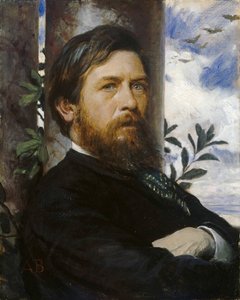
Arnold Böcklin
1827 - 1901 , Suiza
Datos clave
- Artistas Que Influyeron: ['Anselm Feuerbach']
- Fallecimiento: 16 de enero de 1901
- Fecha De Nacimiento: 16 de octubre de 1827
- Influenciado A Artistas: ['Hans Thoma']
- Lugar De Nacimiento: Basilea, Suiza
- Movimiento Artístico: Simbolismo
- Nacionalidad: Suizo
- Nombre Completo: Arnold Böcklin
- Obras Notables:
- Isla de la Muerte
- La Guerra
- Ninfas y sátiros
Artículos relacionados
Evoking Arcadia: A Historical & Aesthetic Exploration of Rural Landscape Art
Explore the rich history of pastoral landscape art, from classical Arcadia to Impressionism & beyond. Discover key artists, movements, and how to collect serene rural scenes for your home. Expert insights at OriginalUniqueArt.

Cultivating Visions: A Historical Journey Through Rural Landscapes in Art
Explore the rich history of rural landscape painting with OriginalUniqueArt. Discover Impressionist masterpieces, key artists & movements. Find your perfect serene artwork and bring nature's beauty home.

Evocations of Place: A Historical Journey Through Landscape Art
Explore the rich history of landscape art with OriginalUniqueArt. Discover renowned artists, movements like Impressionism & Romanticism, and expert guidance for collecting timeless pieces. Find your perfect serene escape today!

John Constable: Las 25 Obras Maestras del Paisaje Inglés | OriginalUniqueArt
Descubre las 25 obras maestras de John Constable, el pintor romántico inglés que capturó la belleza del paisaje. Explora su técnica, historia y significado en OriginalUniqueArt.com. Reproducciones de arte de alta calidad para tu hogar.

Paisajes Románticos: 10 Obras Maestras que Definieron un Movimiento Artístico
Descubre los 10 paisajes románticos más influyentes de artistas como Caspar David Friedrich y Turner. Explora la belleza, el simbolismo y las técnicas del movimiento romántico. Reproducciones de arte exclusivas en OriginalUniqueArt.com.


