
 Vista previa
 Compartir
 Compartir
 Ver detalles

 Descargar
 Ver similares
 Radiografía
 Presentación de diapositivas
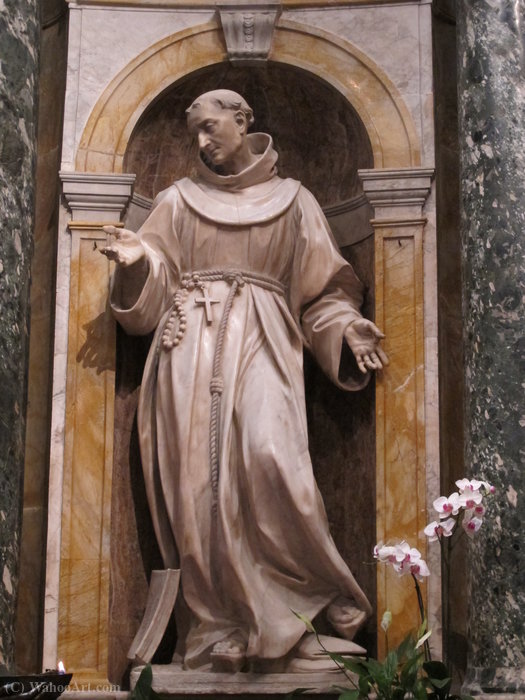
Untitled (625)

 Leer más
Giclée / Impresión de arte
Impresiones giclée o en lienzo de calidad de museo con producción rápida y opciones de acabado flexibles. ( Cambiar a pintura hecha a mano Cambiar a imagen)




P118B $10

P118H $10

P118W $10

P438Z $10

P508JH $12

P508YH $12

P805H $10

P805Z $10

P919BZ $10

P919G $10

P919XJ $10

P959ZH $10

P968JZ $12

W106C $8

W218G $10

W218JH $8

W218Y $10

W307PJ $10

W316G $10

W316PJ $8

W316Y $10

W398PJ $8

W4111J $10

W500HY $15

W500JH $15

W692G $12

W849H $8

W940BG $15

W953PJ $8




Elija entre nuestros tamaños predefinidos que respetan las proporciones originales de la obra.

Puede introducir sus propias dimensiones para adaptarse a un marco o espacio específico. Si el tamaño seleccionado no coincide con las proporciones de la imagen original, recortaremos la obra de arte o extenderemos la imagen con un borde con efecto espejo o de color sólido. Se enviará una maqueta digital para su aprobación antes de que comience la producción.
Tenga en cuenta que la vista previa en pantalla no refleja el recorte o la extensión real. Solo la maqueta mostrará con precisión la composición final.
Aunque existen tamaños personalizados, recomendamos seleccionar una dimensión de la lista predefinida para preservar las proporciones originales.
Envío a todo el mundo () en 2 semanas en lugar de las 4/5 semanas estándar. (7 agosto)

Envío exprés gratuito a todo el mundo

Lienzo de lino de alta calidad

Seguro de envío completo

Garantía de reembolso de aranceles aduaneros

Garantía de fidelidad cromática exacta

Política de devolución de 60 días (solo por defectos)

Garantía de devolución del 100% del dinero

Oferta por volumen
 La opción de vidrio solo está disponible en tamaños inferiores a 110 cm.

Untitled (625)
Giclée / Impresión de arte
Tamaño de la reproducción
-


Precio total
$ 80
Biografía del artista
Antonio Raggi: Sculptor of Baroque Grace
Antonio Raggi (1624 – 1686) stands as a testament to the artistic fervor of Rome during the Baroque period, firmly rooted in the mentorship of Gian Lorenzo Bernini. Born in Vico Morcote, Switzerland, Raggi’s journey into art began amidst the burgeoning humanist spirit of his homeland, yet he swiftly gravitated towards the grandeur and theatricality championed by Bernini – a partnership that would profoundly shape his artistic trajectory. Bernini's influence extended far beyond mere instruction; it instilled in Raggi a dedication to capturing emotion and dynamism within sculptural form. Unlike many sculptors of his time who favored idealized representations, Raggi embraced realism, meticulously studying anatomy and incorporating naturalistic details into his works. This approach is particularly evident in his celebrated sculptures, where figures appear caught in moments of intense action or profound contemplation—a stylistic hallmark that distinguishes him from contemporaries like Alessandro Algardi. Raggi’s artistic output spanned a remarkable range of projects, encompassing monumental architectural decorations, easel paintings, and numerous smaller commissions. However, he achieved enduring fame primarily through his contributions to the Piazza Navona complex in Rome, where he collaborated with Bernini on the Fountain of Four Rivers – a masterpiece of Baroque sculpture that embodies the period’s obsession with movement and illusion. The sculptural figures adorning the fountain are considered among the finest examples of Baroque artistry, demonstrating Raggi's mastery of technique and his ability to convey narrative complexity within a single composition. Perhaps Raggi’s most poignant achievement remains ‘Death of St. Cecilia,’ a stucco relief housed in Sant’Andrea della Valle Basilica. This emotionally charged depiction captures the saint’s final moments with breathtaking accuracy—the slumped posture, the outstretched hand reaching for solace, and the exquisitely rendered drapery conveying grief and sorrow—all hallmarks of Bernini's influence. The sculpture is considered one of the pinnacles of Baroque art, lauded for its expressive power and its masterful execution. It exemplifies Raggi’s ability to transform marble into a vehicle for profound spiritual contemplation. Raggi continued his artistic endeavors until his death in 1686, leaving behind an impressive legacy that continues to inspire admiration. His sculptures stand as enduring symbols of Baroque elegance and emotional depth—a testament to the transformative power of mentorship and the unwavering pursuit of artistic excellence. He solidified Bernini’s reputation as a sculptor and cemented his place within the history of Italian art.
antonio raggi
1624 - 1686 , Switzerland
Datos clave
- Artistic Movement Or Style: Roman Baroque
- Artists Or Movements Influenced By This Artist: Neoclassical
- Artists Who Influenced This Artist: Bernini
- Date Of Birth: 1624
- Full Name: Antonio Raggi
- Nationality: Swiss
- Notable Artworks: ['Death of St. Cecilia']
- Place Of Birth: Vico Morcote, Switzerland
Artículos relacionados

The Golden Age Reforged: Dramatic Realism & Religious Zeal in Spanish Baroque Art
Explore the dramatic world of Spanish Baroque art! Discover masters like Zurbarán & the powerful influence of religious zeal on painting techniques – a guide for collectors and enthusiasts.

Antonio da Correggio: Innovation, Illusionism & the Poetics of Grace in Renaissance Painting
Explore the revolutionary art of Antonio da Correggio, a master of Renaissance illusionism and chiaroscuro. Discover his frescoes, mythological paintings & lasting influence on Baroque art. Expert analysis & key works featured.

The Enduring Allure of Marble in Art History: From Classical Sculpture to Modern Abstraction
Explore the captivating history of marble sculpture from ancient Greece to modern art. Discover renowned artists like Canova & Michelangelo, carving techniques, and investment insights at OriginalUniqueArt.

Las 10 Obras Maestras de Bronce que Revolucionaron la Historia del Arte | OriginalUniqueArt
Descubre las 10 esculturas de bronce más influyentes de la historia del arte. Explora obras maestras de Rodin, Degas y otros genios. Encuentra reproducciones de arte de calidad museo en OriginalUniqueArt.com.
Antonio Canova: Neoclassical Sculpture & the Pursuit of Emotional Perfection
Explore the life & art of Antonio Canova, the greatest Neoclassical sculptor. Discover his masterpieces, innovative techniques, and lasting influence on fine art collecting. Expert insights for discerning investors.

