- Inicio

- Reproducción al óleo
- Antonio de Pereda
- St Jerome

 Comprar impresión Comprar imagen en alta resolución
 Enviar
 Compartir
 Detalles
 Añadir a favoritos

 Descargar
 Similares
 Radiografía
 Presentación de diapositivas
St Jerome
 Oil On Canvas
- WallArt
- Baroque
 1643
1643- Early Modern
 105.0 x 84.0 cm
 Museo del Prado
 Ver más
Reproducción al óleo hecha a mano
Óleo sobre lienzo pintado a mano en el tamaño y marco de su elección, realizado por encargo por nuestros artistas.




P118B $10

P118H $10

P118W $10

P438Z $10

P508JH $12

P508YH $12

P805H $10

P805Z $10

P919BZ $10

P919G $10

P919XJ $10

P959ZH $10

P968JZ $12

W106C $8

W218G $10

W218JH $8

W218Y $10

W307PJ $10

W316G $10

W316PJ $8

W316Y $10

W398PJ $8

W4111J $10

W500HY $15

W500JH $15

W692G $12

W849H $8

W940BG $15

W953PJ $8




Elija entre nuestros tamaños predefinidos que respetan las proporciones originales de la obra.

Puede ingresar sus propias dimensiones para adaptarse a un marco o espacio específico. Si el tamaño seleccionado no coincide con las proporciones de la imagen original, recortaremos la obra o extenderemos la pintura con elementos adicionales pintados a mano. Se le enviará una maqueta digital para su aprobación antes de comenzar la producción.
Tenga en cuenta que la vista previa en pantalla no refleja el recorte o la extensión reales. Solo la maqueta mostrará con precisión la composición final.
Si bien existen tamaños personalizados, recomendamos seleccionar una dimensión de la lista predefinida para preservar las proporciones originales.
Tras realizar el pedido, el equipo de OriginalUniqueArt.com enviará un correo electrónico al cliente para solicitar instrucciones y proporcionarle una vista previa del boceto.
Entrega mundial () en 3-4 semanas en lugar de las 5 semanas estándar. (18 julio). Sin compromisos con la calidad.

Envío exprés gratuito a todo el mundo

Lienzo de lino de alta calidad

Seguro de envío total

Garantía de reembolso de impuestos aduaneros

Garantía de fidelidad de color

Política de devolución de 60 días (solo por defectos)

Garantía de devolución del 100% del dinero

Descuento por pedido múltiple
 La opción de vidrio solo está disponible en tamaños inferiores a 110 cm.

St Jerome
Técnica de reproducción
Tamaño de la reproducción
-


Precio total final
-
Descripción de la obra
The Contemplative Depth of St Jerome
To stand before Antonio de Pereda’s depiction of St Jerome is to step directly into the hushed, richly shadowed chambers of profound thought. This 1643 masterpiece does not merely hang on a wall; it envelops the viewer in an atmosphere thick with scholarly contemplation and spiritual yearning. The painting captures the essence of the Baroque obsession with intense human emotion, translating the solitary life of the scholar into a dramatic visual narrative. Pereda masterfully presents St Jerome, the aged hermit, not as a static portrait, but as a man caught in the very act of wrestling with profound truths—the mysteries of faith, mortality, and divine knowledge.
Baroque Drama and Technical Mastery
The technical brilliance evident in this oil on canvas work is breathtaking. Pereda employs the dramatic chiaroscuro characteristic of the Baroque period, where light does not simply illuminate but rather sculpts the drama from within the darkness. Deep, velvety shadows consume much of the background, serving only to push the central figure forward into a pool of focused, ethereal light. Observe the texture: the impasto technique gives palpable weight to the folds of the red robe and the delicate topography of the man’s wrinkled skin. This is not merely representation; it is an almost tactile rendering of age and wisdom. The loose, expressive brushwork allows the viewer's eye to wander, appreciating both the meticulous detail—such as the open pages of the book—and the overall sense of painterly energy.
A Tapestry of Symbolism: Life, Death, and Knowledge
The genius of the composition lies in its symbolic density. St Jerome is surrounded by potent emblems that speak volumes without uttering a word. The skull resting near his hand serves as an undeniable memento mori, a stark reminder of life’s fleeting nature against the backdrop of eternal contemplation. Nearby, the open book signifies accumulated knowledge and sacred scripture, while the inclusion of elements like the shepherd's staff or perhaps a trumpet hints at a calling—a divine message interrupting the quietude of study. These objects coalesce around the central figure, creating a visual dialogue between earthly pursuits (the books) and ultimate spiritual reckoning (the skull).
Creating an Atmosphere for Your Space
For the collector or designer seeking to infuse a room with intellectual gravitas and dramatic depth, this reproduction offers unparalleled character. The dominant palette of deep browns, rich ochres, and passionate reds allows it to anchor any sophisticated interior scheme, whether in a library, study, or formal drawing-room. Owning a piece echoing Pereda’s vision means inviting a conversation about art history, philosophy, and the enduring human quest for meaning into your daily life. It is an artwork that demands slow viewing, rewarding the observer with deeper insights every time their gaze lingers upon its dramatic interplay of light and shadow.
Biografía del artista
Antonio de Pereda: Un Maestro del Barroco Español
Antonio de Pereda y Salgado (1611 – 1678) fue un destacado pintor español de la época barroca, celebrado principalmente por sus exquisitas bodegones. Nacido en Valladolid, España, surgió como una figura significativa dentro de la escuela de pintura de Madrid.
Vida Temprana y Familia Artística
Pereda provenía de una familia profundamente artística; su padre, madre y dos hermanos eran todos pintores. Este entorno familiar sin duda fomentó su temprano interés y desarrollo en el arte. Recibió su formación inicial en Madrid bajo la tutela de Pedro de las Cuevas, un respetado pintor de la época.
Patronazgo y Carrera Temprana
Un momento crucial en la carrera de Pereda fue el patrocinio de Giovanni Battista Crescenzi, una figura influyente en la corte española. Crescenzi lo acogió bajo su ala, brindándole oportunidades y orientación. Sin embargo, tras la muerte de Crescenzi en 1635, Pereda fue expulsado de la corte y comenzó a aceptar encargos de instituciones religiosas.
Desarrollo Artístico y Estilo
El estilo artístico de Pereda se caracteriza por un uso magistral del tenebrismo, un contraste dramático entre luz y oscuridad. Esta técnica, común en la pintura barroca, añade profundidad e intensidad emocional a sus obras. Si bien es mejor conocido por los bodegones, Pereda también destacó en pinturas religiosas y composiciones históricas.
Obras Maestras y Logros
- Bodegones: Los bodegones de Pereda son famosos por su realismo, detalle meticuloso y significado simbólico. Ejemplos incluyen “Bodegón con Fruta” y “Bodegón con un Cárter de Ébano”.
- Pinturas Históricas: Contribuyó significativamente al programa decorativo del Salón de Reinos en el Palacio del Buen Retiro de Madrid. Su pintura histórica más notable es “El Asedio de Génova” (1635), creada como parte de una serie junto a obras de Velázquez, particularmente "La Rendición de Breda".
- Pinturas Religiosas: Pereda produjo numerosas pinturas religiosas, a menudo representando escenas de la vida de los santos y narrativas bíblicas. “San Jerónimo” es un ejemplo primario de su habilidad en este género.
Influencias
La obra de Pereda fue influenciada por varios artistas y movimientos clave:
- Pedro de las Cuevas: Su maestro temprano, quien proporcionó una formación fundamental.
- Giovanni Battista Crescenzi: Brindó patrocinio y orientación durante su tiempo en la corte.
- Caravaggio & los Caravagistas: El uso dramático del tenebrismo refleja la influencia de Caravaggio y sus seguidores.
Significado Histórico
Antonio de Pereda ocupa un lugar importante en el arte barroco español. Sus bodegones se consideran entre los mejores ejemplos del género, mostrando una notable capacidad para capturar la textura, la luz y la forma. Sus pinturas históricas demuestran su versatilidad y habilidad como pintor narrativo a gran escala. Contribuyó significativamente al paisaje artístico del siglo XVII en España, dejando un legado de obras maestras que continúan siendo admiradas hoy en día.

Antonio de Pereda
1611 - 1678 , España
Datos clave
- Artistic Movement Or Style: Barroco
- Artists Who Influenced This Artist:
- Pedro de las Cuevas
- Giovanni Battista Crescenzi
- Date Of Birth: Valladolid, España (1611)
- Date Of Death: Madrid, España (1678)
- Full Name: Antonio de Pereda y Salgado
- Nationality: Español
- Notable Artworks:
- Bodegón con Fruta
- Bodegón con un Cárter de Ébano
- El Socorro a Génova
- El Sueño del Caballero
- Place Of Birth: Valladolid
Artículos relacionados
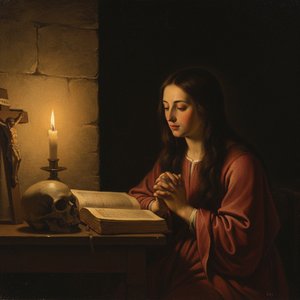
Georges de La Tour: Luminosity, Spirituality & Realism in Baroque Painting
Discover the captivating world of Georges de La Tour, a Baroque master renowned for his dramatic chiaroscuro & spiritual realism. Explore key works, influences, and his remarkable rediscovery. Learn more at OriginalUniqueArt.

The Dramatic Flourish: Exploring the Baroque Movement's Enduring Legacy in Art History
Explore the dramatic world of Baroque art! Discover iconic artists like Caravaggio & Rubens, defining techniques, and its lasting impact on art history. Expert insights for collectors & enthusiasts at OriginalUniqueArt.
Águeda Ruiz de la Prada: A Study of Eclecticism & Emotional Resonance in Contemporary Spanish Painting
Discover the vibrant world of Ágatha Ruiz de la Prada, a leading figure in contemporary Spanish art. Explore her eclectic style, emotional depth & legacy – a must-read for discerning collectors.

Antonio da Correggio: Innovation, Illusionism & the Poetics of Grace in Renaissance Painting
Explore the revolutionary art of Antonio da Correggio, a master of Renaissance illusionism and chiaroscuro. Discover his frescoes, mythological paintings & lasting influence on Baroque art. Expert analysis & key works featured.
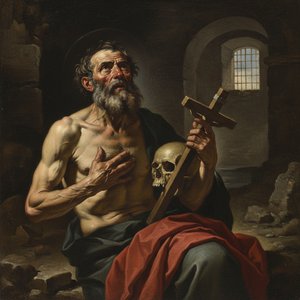
Jusepe de Ribera: Dramatic Realism & Spiritual Intensity in the Spanish Golden Age
Explore the powerful Baroque paintings of Jusepe de Ribera, master of tenebrism and dramatic realism. Discover his spiritual intensity, influence on Spanish art, and considerations for collectors. Expert insights at OriginalUniqueArt.


