- Inicio

- Reproducción al óleo
- Antonio Begarelli
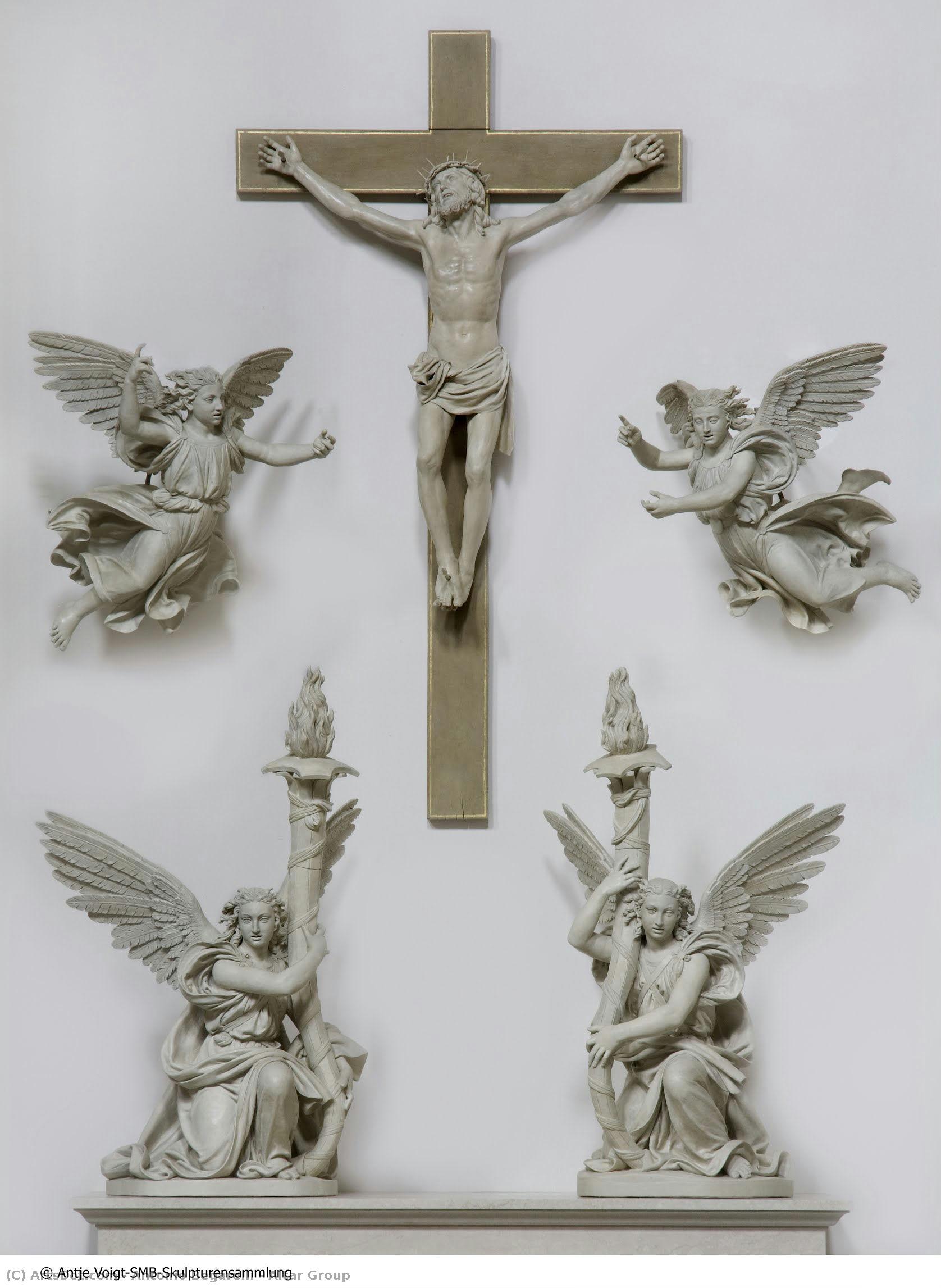
- Altar Group
 Comprar impresión Comprar imagen en alta resolución
 Enviar
 Compartir
 Detalles
 Añadir a favoritos

 Descargar
 Similares
 Radiografía
 Presentación de diapositivas
Altar Group

 Ver más
Reproducción al óleo hecha a mano
Óleo sobre lienzo pintado a mano en el tamaño y marco de su elección, realizado por encargo por nuestros artistas.




































Elija entre nuestros tamaños predefinidos que respetan las proporciones originales de la obra.

Puede ingresar sus propias dimensiones para adaptarse a un marco o espacio específico. Si el tamaño seleccionado no coincide con las proporciones de la imagen original, recortaremos la obra o extenderemos la pintura con elementos adicionales pintados a mano. Se le enviará una maqueta digital para su aprobación antes de comenzar la producción.
Tenga en cuenta que la vista previa en pantalla no refleja el recorte o la extensión reales. Solo la maqueta mostrará con precisión la composición final.
Si bien existen tamaños personalizados, recomendamos seleccionar una dimensión de la lista predefinida para preservar las proporciones originales.
Tras realizar el pedido, el equipo de OriginalUniqueArt.com enviará un correo electrónico al cliente para solicitar instrucciones y proporcionarle una vista previa del boceto.
Entrega mundial () en 3-4 semanas en lugar de las 5 semanas estándar. (22 julio). Sin compromisos con la calidad.

Envío exprés gratuito a todo el mundo

Lienzo de lino de alta calidad

Seguro de envío total

Garantía de reembolso de impuestos aduaneros

Garantía de fidelidad de color

Política de devolución de 60 días (solo por defectos)

Garantía de devolución del 100% del dinero

Descuento por pedido múltiple
 La opción de vidrio solo está disponible en tamaños inferiores a 110 cm.

Altar Group
Técnica de reproducción
Tamaño de la reproducción
-


Precio total final
-
Descripción de la obra
Biografía del artista
Antonio Begarelli: The Sculptor Who Replaced Paint
Antonio Begarelli (c. 1499 – 1565) stands as a singular figure in the artistic landscape of Renaissance Italy, particularly renowned for his pioneering approach to sculptural decoration—a deliberate substitution of painted panels with terracotta reliefs that fundamentally altered the aesthetic sensibilities of his time. Born in Modena, he emerged from the workshop of Giovanni dell’Abbate, Niccolò’s father, absorbing influences from the burgeoning realism championed by artists like Guido Mazzoni II Modanino. This stylistic shift marked a decisive break from prevailing conventions and cemented Begarelli's place as an innovator.Early Life & Training
Begarelli’s formative years were spent honing his craft under Giovanni dell’Abbate, immersing himself in the artistic currents of Modena during a period characterized by fervent religious fervor. The workshop of Giovanni dell’Abbate instilled in him a meticulous attention to detail and a deep understanding of classical sculptural principles—skills that would prove invaluable throughout his illustrious career. He absorbed the stylistic innovations of Guido Mazzoni II Modanino, whose masterful terracotta sculptures served as inspiration for Begarelli's own artistic endeavors.Modena Workshops & The Terracotta Revolution
He established himself as a dominant sculptor in Modena, collaborating extensively with Mazzoni II Modanino and transforming churches throughout the region into spaces adorned with terracotta sculptures—a revolutionary technique that prioritized textural richness and sculptural presence over illusionistic color. This bold decision to abandon fresco for terracotta represented a radical departure from artistic tradition, elevating sculpture to a position of prominence previously reserved for painting. Begarelli’s ambition was not merely to depict religious narratives but to evoke profound emotion through the tactile qualities of the material itself—a testament to his visionary understanding of art's expressive potential.Parma Patronage & Artistic Dialogue
Begarelli’s reputation extended beyond Modena when he secured commissions from Parma’s aristocratic elite, furthering his artistic explorations and solidifying his position as one of Italy’s most celebrated sculptors. While speculation persists regarding a connection between Begarelli and Raphael (Correggio), scholarly consensus suggests their stylistic differences—Begarelli favoring earthy tones and monumental scale—demonstrate distinct artistic trajectories. Despite diverging approaches to technique, both artists shared a commitment to conveying spiritual grandeur and humanist ideals—a reflection of the intellectual climate that prevailed during the Renaissance.A Unique Sculptural Style: Terra Cotta & Marble Illusion
Begarelli’s distinctive style distinguished him from his contemporaries, notably Correggio. Unlike Correggio's ethereal frescoes employing sfumato techniques to create atmospheric depth and illusionistic perspective, Begarelli opted for terracotta—a readily available material—to achieve a strikingly realistic effect. He skillfully employed white pigment to mimic the appearance of marble luminosity that captivated viewers and established a new standard for decorative sculpture. Giorgio Vasari famously remarked that Michelangelo considered Begarelli’s terracotta sculptures “most excellent productions,” highlighting their impact on artistic discourse. The deliberate use of terracotta contrasted sharply with Correggio's mastery of fresco, emphasizing sculptural form and texture over optical illusion.Notable Achievements & Legacy
Begarelli’s enduring legacy resides in his monumental terracotta sculptures adorning churches throughout Modena and Parma, particularly “Deposition” (1530) and “Altar Group,” which exemplify the pinnacle of Renaissance sculptural achievement. His contribution to artistic history is undeniable—he ushered in a transformative era where sculpture supplanted painting as the dominant medium for religious decoration, forever altering the visual culture of his time. He remains an exemplar of artistic innovation and a symbol of Modena’s cultural heritage.
Antonio Begarelli
1490 - 1565 , Italia
Datos clave
- Artistic Movement Or Style: Renacimiento Tardío
- Artists Who Influenced This Artist:
- Giovanni dell’Abbate
- Guido Mazzoni
- Date Of Birth: ca. 1499
- Date Of Death: 1565
- Full Name: Antonio Begarelli
- Nationality: Italiano
- Notable Artworks:
- Deposizione
- Grupo altar
- Madonna del Latte
- Place Of Birth: Modena, Italia

