

 Vista previa
 Compartir
 Compartir
 Ver detalles

 Descargar
 Ver similares
 Radiografía
 Presentación de diapositivas
Roemer


 Leer más
Giclée / Impresión de arte
Impresiones giclée o en lienzo de calidad de museo con producción rápida y opciones de acabado flexibles. ( Comprar pintura hecha a mano Comprar imagen)




P118B $10

P118H $10

P118W $10

P438Z $10

P508JH $12

P508YH $12

P805H $10

P805Z $10

P919BZ $10

P919G $10

P919XJ $10

P959ZH $10

P968JZ $12

W106C $8

W218G $10

W218JH $8

W218Y $10

W307PJ $10

W316G $10

W316PJ $8

W316Y $10

W398PJ $8

W4111J $10

W500HY $15

W500JH $15

W692G $12

W849H $8

W940BG $15

W953PJ $8




Elija entre nuestros tamaños predefinidos que respetan las proporciones originales de la obra.

Puede introducir sus propias dimensiones para adaptarse a un marco o espacio específico. Si el tamaño seleccionado no coincide con las proporciones de la imagen original, recortaremos la obra de arte o extenderemos la imagen con un borde con efecto espejo o de color sólido. Se enviará una maqueta digital para su aprobación antes de que comience la producción.
Tenga en cuenta que la vista previa en pantalla no refleja el recorte o la extensión real. Solo la maqueta mostrará con precisión la composición final.
Aunque existen tamaños personalizados, recomendamos seleccionar una dimensión de la lista predefinida para preservar las proporciones originales.
Envío a todo el mundo () en 2 semanas en lugar de las 4/5 semanas estándar. (12 agosto)

Envío exprés gratuito a todo el mundo

Lienzo de lino de alta calidad

Seguro de envío completo

Garantía de reembolso de aranceles aduaneros

Garantía de fidelidad cromática exacta

Política de devolución de 60 días (solo por defectos)

Garantía de devolución del 100% del dinero

Oferta por volumen
 La opción de vidrio solo está disponible en tamaños inferiores a 110 cm.

Roemer
Giclée / Impresión de arte
Tamaño de la reproducción
-


Precio total
$ 80
Descripción de la pieza
A Glimpse of Renaissance Refinement: The Glass Vase "Roemer"
Anna Roemers Visscher’s “Roemer,” created in 1619, is more than just a beautiful glass vessel; it's a captivating window into the artistic and intellectual currents of the Dutch Golden Age. This exquisite vase, now meticulously reproduced, offers a rare glimpse into the world of a remarkably talented woman – a poet, translator, and, crucially, a master glass engraver operating within a society that often relegated women to domestic roles. The piece itself is a testament to the burgeoning craft of diamond-point engraving, a technique demanding immense skill and patience, where delicate lines are etched directly into the surface of the glass using a sharp diamond tool.
The photograph reveals a deep blue glass, subtly shifting in tone – a deliberate choice likely achieved through careful selection and manipulation of the molten material. The design is dominated by cursive text, “Constantinus Huygens,” a prominent figure in Dutch science and astronomy, suggesting a connection to intellectual pursuits and perhaps even commissioned for him as a gift or token of appreciation. Beyond the inscription, intricate floral motifs – stylized roses, lilies, and other blooms – intertwine with decorative flourishes, demonstrating Visscher’s mastery of both form and narrative. The rounded bowl shape, narrowing gracefully to a slender stem culminating in three small, pearl-like elements, speaks to an understanding of balance and proportion, hallmarks of Renaissance design.
The Artist: Anna Roemers Visscher – A Hidden Gem
Anna Roemers Visscher’s story is one of quiet brilliance. Born into a wealthy Amsterdam merchant family in 1584, she received an unusually comprehensive education for a woman of her time, encompassing languages, calligraphy, embroidery, and, most notably, the art of glass engraving. Her marriage to Dominicus Booth van Wesel brought her into a refined social circle, including luminaries like P.C. Hooft and Jacob Cats – figures who recognized and championed her artistic talent. The Muiderkring, a prestigious group of artists, writers, and musicians, provided a platform for her work and intellectual discussions. Despite the societal constraints placed upon women, Visscher persevered, producing a remarkable body of work that continues to fascinate art historians today.
Her life was interwoven with literary pursuits; she translated works by Georgette de Montenay and contributed poetry to emblem books – demonstrating her versatility and intellectual engagement. The fact that she was celebrated by prominent figures like Rubens, who dedicated engravings to her, underscores the profound respect she commanded within artistic circles. Visscher’s work wasn't merely decorative; it reflected a sophisticated understanding of symbolism and humanist ideals prevalent during the Renaissance.
Symbolism and Context: A Window into 17th-Century Life
The inclusion of “Constantinus Huygens” within the design is particularly significant. Huygens was not only a renowned astronomer but also a key figure in the development of the telescope, representing scientific advancement and intellectual curiosity – values highly valued during this period. The floral motifs themselves carry symbolic weight; roses often represent love and beauty, lilies symbolize purity and grace, while other blooms evoke themes of fertility and prosperity. The vase itself would have been a prized possession within a wealthy household, serving as both a functional object for holding wine or water and a decorative element reflecting the owner’s status and taste.
“Roemer” is thus a microcosm of 17th-century Dutch society – a blend of artistic refinement, intellectual engagement, and social aspiration. It offers a tangible connection to a vibrant era marked by innovation, patronage, and the flourishing of the arts.
Recreating the Masterpiece: A High-Quality Reproduction
Today, through meticulous reproduction techniques, we can appreciate the exquisite detail and artistry of Anna Roemers Visscher’s “Roemer.” The process involves skilled artisans carefully replicating every delicate line, subtle shade, and intricate motif using traditional methods. The result is a faithful representation that captures not only the visual beauty of the original but also its historical context and artistic significance. This reproduction serves as a lasting tribute to a remarkable artist whose contributions have often been overlooked – a testament to her enduring legacy within the world of art.
Biografía del artista
Anna Roemers Visscher: Una Musa Renacentista Iluminada por el Cristal
Anna Roemers Visscher (1584 – 1651) ocupa un lugar excepcional en el paisaje artístico de la Edad Dorada holandesa, celebrada no solo por su arte visual sino también por su contribución profunda a la literatura y al discurso intelectual. Nacida en una familia comerciante próspera de Ámsterdam—Roemer Visscher y María Tesselschade Visscher—Anna disfrutó de una educación extraordinaria poco común para mujeres de su tiempo, sumergiéndose en idiomas, caligrafía, bordado, dibujo, pintura, grabado en vidrio y otras disciplinas consideradas apropiadas para damas nobles. Esta experiencia formativa moldeó profundamente sus sensibilidad artística e intelectuales. Su matrimonio con dominicus booth van wesel en 1624 marcó el inicio de una vida dedicada a la familia y la tranquilidad doméstica, aunque el espíritu creativo de Anna persistió. Tras trasladarse a Leiden junto con su esposo y hijos en 1646, se unió al círculo Muiderkring—un grupo prestigioso de artistas, escritores y músicos—donde participó en debates apasionados sobre arte y filosofía junto a figuras luminarias como Pieter Cornelis Hooft, Jacob Cats, Joost van den Vondel y Constantijn Huygens. Estos personajes influyentes reconocieron el talento y la inteligencia de Anna, apelándolo cariñosamente como “una musa”, “la segunda Safo”, “la cuarta gracia”—expresiones de admiración que subrayaban el respeto con el cual ella era considerada por la élite artística. Su producción artística abarcó tanto pintura como grabado, enfocándose principalmente en grabados en vidrio de punta de diamante—técnica considerada excepcionalmente desafiante y que requería una precisión meticulosa—. Sus grabados capturaron detalles exquisitos e infundieron tonalidades sutiles con ellos, reflejando su maestría del claroscuro—el juego de luces y sombras—un sello estilístico característico del Renacimiento. Notablemente, Pedro Pablo Rubens otorgó a Anna Visscher una grabado de Susana y los Ancianos, ejecutado bajo la supervisión de Rubens por Michel Lansne, reconociendo su virtud y habilidad artística. Además, Jacob Cats dedicó Maagdeplicht (Las Obligaciones de una Doncella) a Anna Visscher, destacando su papel como modelo de gracia femenina e inteligencia intelectual. Lucas Vorsterman completó otro grabado después de Susana y los Ancianos, llevando el mismo homenaje—un testimonio del reconocimiento de Rubens por el talento artístico de Anna. Más allá de sus logros visuales, Anna Visscher poseía un interés ferviente en los libros de emblemas—colecciones de imágenes y textos diseñados para transmitir enseñanzas morales mediante representaciones simbólicas—. Tradujo trece epigramas de Georgette de Montenay Emblèmes, ou devises chrestiennes (1584), demostrando su dominio lingüístico y compromiso intelectual con el pensamiento humanista. Su contribución al libro de emblemas Silenus Alcibiadis sive Proteus de Jacob Cats consolidó su reputación como artista versátil y escritor—una mujer que desafió las expectativas sociales y logró renombre tanto por sus esfuerzos creativos como por su curiosidad intelectual. Anna Roemers Visscher dejó un legado más allá de sus obras individuales; ella encarna el espíritu del Renacimiento femenino, donde mujeres eran celebradas no solo por su belleza sino también por su inteligencia y talento artístico. Su influencia perdurable es palpable en la admiración expresada por sus contemporáneos—artistas que reconocieron a Anna como una compañera espíritu y musa—y aseguró su lugar entre los personajes más destacados de su época.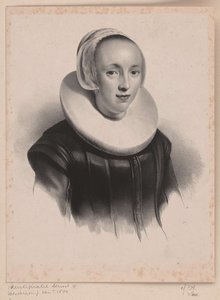
Anna Roemers Visscher
1584 - 1651 , Países Bajos
Datos clave
- Artistic Movement Or Style: Renacimiento
- Artists Or Movements Influenced By This Artist: ['Anna Maria van Schurman']
- Artists Who Influenced This Artist:
- Pedro Pablo Rubens
- Jacob Cats
- Date Of Birth: Amsterdam, Netherlands (1584)
- Date Of Death: Alkmaar, Netherlands (1651)
- Full Name: Anna Roemers Visscher
- Nationality: Holandesa
- Notable Artworks: ['Susanna y los Ancianos']
- Place Of Birth: Ámsterdam
Artículos relacionados

Golden Light & Dutch Skies: The Timeless Magic of Dutch Golden Age Landscapes
Discover the breathtaking beauty of Dutch Golden Age landscapes. Explore the mastery of light, chiaroscuro, and 17th-century realism through an expert art history lens, celebrating the enduring legacy of the Dutch Masters for discerning collectors and art lovers.

Los 10 Maestros del Siglo de Oro Holandés: Arte, Historia y Decoración Exclusiva
Descubre los 10 imprescindibles del Siglo de Oro Holandés: Rembrandt, Vermeer y más. Explora la historia, técnica y belleza de estos lienzos clásicos. Encuentra reproducciones de arte exclusivas para decorar tu hogar en .

Chiaroscuro and Character: A Definitive Guide to Light and Shadow in the Dutch Baroque Era
Explore the dramatic mastery of the Dutch Baroque era. Discover how masters like Rembrandt used chiaroscuro to transform everyday life into timeless art. An expert guide for collectors and enthusiasts seeking to understand the profound interplay of light and shadow.

Reflejos de una Época Dorada: La Pintura Barroca Holandesa y la Innovación Cultural
Descubra la riqueza y el detalle de la pintura barroca holandesa del Siglo de Oro. Explore las obras maestras de Rembrandt, Vermeer y otros artistas clave. Análisis experto e historia cultural.

Mastering Light & Shadow: A Journey Through the Dutch Golden Age's Luminous Legacy
Embark on a cultural journey through the Dutch Golden Age. Explore the masterful interplay of light and shadow in 17th-century masterpieces, from Rembrandt to Vermeer, and discover how this era of profound realism continues to inspire fine art collectors today.

