

 Vista previa
 Compartir
 Compartir
 Ver detalles

 Descargar
 Ver artículos similares
 Radiografía
 Presentación de diapositivas
 Estadísticas
A Funeral


 Leer más
Giclée / Impresión de arte
Impresiones giclée o en lienzo de calidad de museo con producción rápida y opciones de acabado flexibles. ( Encargar reproducción pintada a mano Ver versión en imagen digital)




P118B $10

P118H $10

P118W $10

P438Z $10

P508JH $12

P508YH $12

P805H $10

P805Z $10

P919BZ $10

P919G $10

P919XJ $10

P959ZH $10

P968JZ $12

W106C $8

W218G $10

W218JH $8

W218Y $10

W307PJ $10

W316G $10

W316PJ $8

W316Y $10

W398PJ $8

W4111J $10

W500HY $15

W500JH $15

W692G $12

W849H $8

W940BG $15

W953PJ $8




Elija entre nuestros tamaños predefinidos que respetan las proporciones originales de la obra.

Puede introducir sus propias dimensiones para adaptarse a un marco o espacio específico. Si el tamaño seleccionado no coincide con las proporciones de la imagen original, recortaremos la obra de arte o extenderemos la imagen con un borde con efecto espejo o de color sólido. Se enviará una maqueta digital para su aprobación antes de que comience la producción.
Tenga en cuenta que la vista previa en pantalla no refleja el recorte o la extensión real. Solo la maqueta mostrará con precisión la composición final.
Aunque existen tamaños personalizados, recomendamos seleccionar una dimensión de la lista predefinida para preservar las proporciones originales.
Envío a todo el mundo () en 2 semanas en lugar de las 4/5 semanas estándar. (15 septiembre)

Envío exprés gratuito a todo el mundo

Lienzo de lino de alta calidad

Seguro de envío completo

Garantía de reembolso de impuestos aduaneros

Garantía de fidelidad cromática exacta

Política de devolución de 100 días (solo por defectos)

Garantía de devolución del 100% del dinero

Oferta por volumen
 La opción de vidrio solo está disponible en tamaños inferiores a 110 cm.

A Funeral
Giclée / Impresión de arte
Tamaño de la reproducción
-


Precio total
$ 80
A Funeral – An Exploration of Grief and Light
Anna Kirstine Brøndum Ancher’s “A Funeral,” painted in 1891, stands as a poignant testament to both the solemn beauty of mourning and the masterful Impressionistic technique that characterized her artistic output. Executed on a large canvas, this artwork captures a moment of profound grief within the tranquil setting of Skagen Church, offering viewers an intimate glimpse into a pivotal period of Danish art history.The Scene: Domestic Tranquility Amidst Sorrow
The painting depicts a funeral service taking place in St. Michael’s Church, Skagen. At the forefront stands a man delivering a eulogy – likely Michael Ancher himself, Anna's husband and fellow artist – his gaze directed towards the congregation. Beside him sits a woman, presumably Anna, her posture conveying quiet contemplation and sorrow. The inclusion of two chairs adds to the sense of stillness and formality, anchoring the scene within the domestic sphere despite its solemn subject matter. A simple dining table occupies the background, topped with a bowl containing flowers – a traditional symbol of remembrance and sympathy. These carefully positioned elements contribute to an atmosphere of understated dignity and emotional resonance.Impressionistic Technique: Capturing Fleeting Light
Ancher’s artistic brilliance lies in her ability to convey emotion through meticulous observation and skillful manipulation of light. Characteristic of the Skagen Painter colony, she employed loose brushstrokes and vibrant color palettes to capture the ethereal quality of sunlight filtering through stained glass windows. The dominant hues are muted yellows and blues, reflecting the diffused illumination within the church – a deliberate choice that underscores the painting’s contemplative mood. Notice how Ancher skillfully blends colors to create subtle gradations of tone, enhancing the sense of depth and realism without resorting to photographic accuracy. This technique aligns perfectly with Impressionism's core principle: prioritizing sensory experience over precise representation.Symbolism: Grief, Remembrance, and Spiritual Reflection
Beyond its visual beauty, “A Funeral” is laden with symbolic significance. The funeral service itself represents the universal human experience of loss and bereavement. However, Ancher’s masterful use of light serves as a powerful counterpoint to this sorrowful subject matter. Light symbolizes hope, faith, and spiritual illumination – suggesting that even amidst grief, there remains an enduring connection to something greater than oneself. The flowers on the dining table symbolize remembrance and compassion, reminding viewers of the importance of honoring those who have passed away. Furthermore, the church setting represents solace and comfort, reinforcing the painting’s overarching theme of finding peace in faith during times of hardship.Legacy: Ancher's Enduring Influence
“A Funeral” exemplifies Anna Ancher’s profound connection to her surroundings and her unwavering commitment to portraying human emotion with sensitivity and nuance. It solidified her reputation as one of Denmark’s foremost Impressionist painters, influencing generations of artists who followed in her footsteps. Today, reproductions of this artwork continue to inspire admiration for its understated elegance and emotional depth—a timeless masterpiece that speaks volumes about the complexities of grief and the enduring power of artistic vision.Biografía del artista
Anna Kirstine Ancher: A Pioneer of Nordic Impressionism
Anna Kirstine Brøndum Ancher (Skagen, August 18, 1859 – April 15, 1935) stands as a monumental figure in Danish art history—a beacon of artistic innovation and unwavering devotion to capturing the essence of the Nordic landscape. Born into a family steeped in artistic tradition—her father, Erik Andersen Brøndum, was a hotel proprietor and avid collector—Anna’s early life was undeniably shaped by an environment that nurtured her innate talent for visual expression. From a young age, she demonstrated exceptional aptitude for drawing, prompting her parents to invest in her formal education at the Vilhelm Kyhn College of Painting in Copenhagen, where she honed her skills and developed a distinctive style rooted in meticulous observation and a profound understanding of color theory.Early Influences and Artistic Training
Her formative years were marked by exposure to influential artists who championed Impressionism and Realism—movements that rejected idealized representations of beauty in favor of honest depictions of reality. Notably, she studied alongside Marie Triepcke Krøyer, whom she would marry, fostering a collaborative artistic partnership that spanned decades. This connection to the burgeoning Nordic Modern Breakthrough movement profoundly impacted her artistic sensibilities, encouraging her to explore innovative techniques and perspectives. Her Parisian sojourn between 1882 and 1888 proved particularly formative, immersing her in the vibrant intellectual atmosphere of the time and introducing her to the groundbreaking ideas of Impressionist painters like Pierre Puvis de Chavannes.Skagen: A Landscape That Became Inspiration
Anna Ancher’s artistic identity was inextricably linked to Skagen—a remote fishing village nestled on Jutland’s northern coast—where she resided for most of her life and where her husband, Michael Ancher, established a thriving artistic community. Unlike many artists of her era who sought grandeur or exotic locales, Anna chose Skagen precisely because it offered an unparalleled opportunity to engage with the transformative power of Nordic light—a phenomenon that captivated Impressionist painters across Europe. Her studio was situated in *Anchers Hus*, a beautifully preserved Victorian home that served as both her residence and a focal point for artistic exchange. The house itself embodies the spirit of Skagen’s artistic ethos: simple, functional, yet imbued with warmth and intimacy.A Distinctive Style and Notable Works
Anna Ancher’s artistic style is characterized by its remarkable sensitivity to detail—particularly in portraying domestic interiors and scenes from everyday life. She eschewed grand narratives or mythological subjects, instead focusing on capturing the subtle nuances of human emotion and experience within unassuming settings. Her paintings are renowned for their luminous color palettes—often dominated by blues and greens—and her masterful manipulation of light—creating ethereal effects that convey atmosphere and mood with breathtaking precision. Among her most celebrated works include *Blue Ane* (1882), a poignant depiction of her wife, and *The Girl in the Kitchen* (1883–1886)—a captivating portrayal of domestic tranquility bathed in golden sunlight. Furthermore, she created *Syende fiskerpige*, which portrays a fisherman’s daughter tending to his nets—a scene that exemplifies her ability to capture the beauty of rural life and the dignity of ordinary individuals. Her later paintings, such as *Interior with Clematis* (1913), demonstrate her continued exploration of light and color—resulting in compositions that are both visually stunning and emotionally resonant.Legacy and Recognition
Anna Ancher’s artistic legacy extends far beyond her individual creations. She championed the cause of female artists during a period when societal expectations often relegated women to domestic roles, bravely pursuing her passion for painting despite considerable obstacles. Her unwavering commitment to her craft earned her widespread acclaim—including the Ingénie et Arti Medal in 1913 and the Tagea Brandt Rejselegat in 1924—recognizing her exceptional talent and contribution to Danish art. Today, Anna Ancher’s paintings are housed in prestigious collections worldwide—serving as enduring symbols of artistic excellence and unwavering devotion to capturing the beauty of the Nordic landscape. Her influence continues to inspire artists and scholars alike—solidifying her place as one of Denmark’s most beloved and influential figures in visual culture.
Anna Ancher
1859 - 1935 , Dinamarca
Datos clave
- Artistic Movement Or Style: Impresionismo, Arte Nórdico
- Artists Or Movements Influenced By This Artist: ['Hans Andersen Brendekilde']
- Artists Who Influenced This Artist: ['Pierre Puvis de Chavannes']
- Date Of Birth: 18 Agosto 1859
- Full Name: Anna Kirstine Brøndum Ancher
- Nationality: Danesa
- Notable Artworks:
- Blue Ane
- La niña en la cocina
- Syende fiskerpige
- Interior con clematis
- Place Of Birth: Skagen, Dinamarca
Artículos relacionados
Los 10 Cuadros Más Famosos en Tonos 'Hongo': Arte, Historia y Decoración
Descubre los 10 cuadros más emblemáticos en tonos tierra y ocres. Explora la historia, artistas como Monet y Van Gogh, e inspírate para decorar con arte atemporal. Reproducciones de museo en .
Los 10 Cuadros Más Famosos en Tonos Arena: Historia y Decoración con Arte
Descubre los 10 cuadros más emblemáticos en tonos arena, desde Monet a Van Gogh. Explora la historia del arte impresionista y encuentra inspiración para decorar con obras maestras atemporales. Reproducciones de museo en .
Los 10 cuadros más famosos dominados por el ocre amarillo: Arte y decoración atemporal
Descubre los 10 cuadros más famosos con tonos ocres amarillos. Explora la historia de Van Gogh, Monet y otros artistas clave del impresionismo y postimpresionismo. Encuentra reproducciones de arte de museo en .
Los 10 cuadros más famosos dominados por el 'amarillo cromo': Arte y decoración
Descubre los 10 cuadros más emblemáticos dominados por el 'amarillo cromo': Van Gogh, Monet y otros maestros. Historia del arte, técnicas y decoración con lienzos impresionistas. ¡Explora la colección completa en OriginalUniqueArt.com!
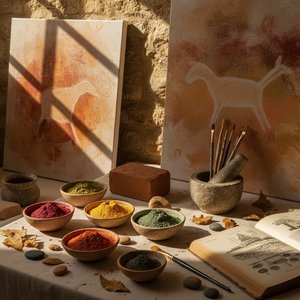
The Resonance of Earthly Tones: Exploring Nuance, History & Emotional Impact in Art
Explore the captivating world of earth tones in art! Discover historical context, emotional resonance & artistic techniques behind these timeless colors. Find inspiration for your home decor and museum-quality reproductions.


