

 Vista previa
 Compartir
 Compartir
 Ver detalles
 Guía
Guía

 Descargar
 Ver artículos similares
 Radiografía
 Presentación de diapositivas
 Estadísticas
The Poor Painter in His Studio
 Oil On Canvas
- WallArt
- Dutch Golden Age
 1635
1635- Early Modern
 330.0 x 247.0 cm
 Rijksmuseum
 Leer más
Reproducción al óleo hecha a mano
Óleo sobre lienzo pintado a mano en el tamaño y marco de su elección, realizado por encargo por nuestros artistas. ( Cambiar a formato impreso Ver versión en imagen digital)




P118B €10

P118H €10

P118W €10

P438Z €10

P508JH €12

P508YH €12

P805H €10

P805Z €10

P919BZ €10

P919G €10

P919XJ €10

P959ZH €10

P968JZ €12

W106C €8

W218G €10

W218JH €8

W218Y €10

W307PJ €10

W316G €10

W316PJ €8

W316Y €10

W398PJ €8

W4111J €10

W500HY €15

W500JH €15

W692G €12

W849H €8

W940BG €15

W953PJ €8




Elija entre nuestros tamaños predefinidos que respetan las proporciones originales de la obra.

Escriba el ancho y el alto que necesite para adaptarse a su marco o a su pared. Al ser una obra pintada a mano, para un tamaño con una forma distinta, el artista puede pintar un poco más alrededor de la imagen o recortar un poco; usted elige. Le enviaremos una maqueta digital para su aprobación antes de comenzar la pintura. La imagen que se muestra en esta página no refleja el resultado real; solo la maqueta lo hace.
Tras realizar el pedido, el equipo de OriginalUniqueArt.com enviará un correo electrónico al cliente para solicitar instrucciones y proporcionarle una vista previa del boceto.
Envío a todo el mundo () en 3-4 semanas en lugar de las 5 semanas estándar. (24 octubre). Sin comprometer la calidad.

Envío exprés gratuito a todo el mundo

Lienzo de lino de alta calidad

Seguro de envío completo

Garantía de reembolso de impuestos aduaneros

Garantía de fidelidad cromática exacta

Política de devolución de 100 días (solo por defectos)

Garantía de devolución del 100% del dinero

Oferta por volumen
 La opción de vidrio solo está disponible en tamaños inferiores a 110 cm.

The Poor Painter in His Studio
Técnica de reproducción
Tamaño de la reproducción
-


Precio total
€ 307
The Intimate Crucible of Creation
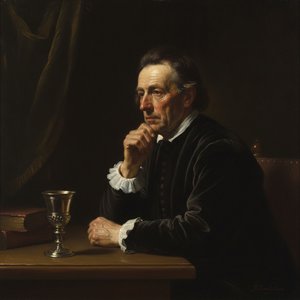
To gaze upon "The Poor Painter in His Studio" is to step across the threshold and into the very heart of artistic endeavor. This scene, steeped in the rich atmosphere of the 17th-century Dutch Golden Age, offers more than just a depiction; it presents an immersion into the soul of creation itself. The composition centers on three figures—the seated artist, the attentive woman, and the small child—all gathered within the tangible clutter of a working studio. It is a tableau vivant that speaks volumes about patronage, family legacy, and the sheer dedication required to master a craft. The air feels thick with turpentine, linseed oil, and unspoken ambition.
Mastery in Shadow and Light
Technically, the painting is a breathtaking study in chiaroscuro. The dramatic interplay between deep, velvety shadows and brilliant shafts of illumination is what gives the work its profound visual weight. A single, unseen light source seems to pour in from the left, sculpting the forms of the figures and casting long, eloquent shadows across the floorboards. This masterful use of contrast does not merely illuminate; it dramatizes. The artist’s skill, characteristic of the period's finest realism, allows every texture—from the rough weave of a painter’s smock to the polished gleam of an easel—to emerge with startling clarity against the surrounding gloom.
Symbolism of Dedication and Lineage
The subject matter invites deep contemplation. The title itself hints at themes of humble dedication, suggesting that genius is not always heralded by wealth but often nurtured in quiet perseverance. The presence of the child is particularly poignant; it serves as a visual promise—a continuation of the artistic bloodline, a hope for legacy. Meanwhile, the tools scattered about, the half-finished canvases leaning against walls, are silent witnesses to countless hours of labor. These objects transform the studio from mere background into an active participant in the narrative, embodying the struggle and ultimate reward of the creative spirit.
A Timeless Echo for Modern Spaces
For those seeking art that transcends mere decoration, this reproduction offers a profound emotional anchor. Its rich, dramatic tonality—even when viewed as a grayscale photograph—lends itself to creating an atmosphere of sophisticated contemplation within any interior space. It speaks to the collector who appreciates narrative depth and technical virtuosity. Imagine this piece anchoring a library, a study, or a gallery wall; it does not simply hang there, it breathes life into the room, inviting every passerby to pause and consider the quiet dignity found at the intersection of family life and profound artistic pursuit.
Preguntas y respuestas
¿Qué estado de ánimo y emoción se entrelazan en "The Poor Painter in His Studio"?
En "The Poor Painter in His Studio", un ambiente Dramatic acompaña a una emoción Melancholic.
¿Quién creó "The Poor Painter in His Studio" y a qué estilo pertenece?
Detrás de "The Poor Painter in His Studio" se encuentran Andries Both y el movimiento Dutch Golden Age.
¿Qué tan luminosa es "The Poor Painter in His Studio" en su conjunto?
La luminosidad percibida de "The Poor Painter in His Studio" de Andries Both es deep_shadow. Puede armonizarse con la luz del espacio destinado.
Biografía del artista
Una vida capturada en las sombras de Roma
La vida de Andries Both fue tan transitoria y dramática como las escenas que plasmó sobre el lienzo. Nacido en Utrecht, hijo de un pintor de vidrio, sus primeros años estuvieron impregnados de las ricas tradiciones de la artesanía holandena. Bajo la tutela de Abraham Bloemaert, Both comenzó a refinar una visión que, con el tiempo, lo alejaría de los paisajes familiares de los Países Bajos. Su viaje lo llevó por Rouen y, finalmente, al corazón de Roma, donde se convirtió en una figura notable entre los bamboccianti, un grupo entusiasta de pintores holandeses y flamencos que hallaron su inspiración en la realidad cruda y sin adornos de la vida italiana.
En Roma, la presencia de Both estuvo firmemente establecida entre 1635 y 1641. Vivió una vida compartida con su hermano, Jan, navegando por los vibrantes círculos artísticos de la ciudad. Los hermanos residían en la Via Vittoria, dentro de la parroquia de San Lorenzo in Lucina, y es posible que formaran parte de los Bentvueghels, un influyente grupo de artistas activos en Roma. Este período de su vida estuvo marcado por una profunda inmersión en los ritmos cotidianos de la campiña romana y sus clases bajas, proporcionándole una riqueza de temas que definirían su legado artístico.
El arte de la Bambocciata
La obra de Both es celebrada por su estilo Bambocciata, un género caracterizado por pinturas de gabinete a pequeña escala que representan los aspectos más ruidosos y, a menudo, humorísticos de la vida común. Sus pinceladas eran amplias y expresivas, capaces de transmitir tanto una sensación de cruda realidad como un cierto encanto fársico. No rehuía el lado más turbio de la existencia; al contrario, lo abrazaba con un ojo para el detalle que podía ser a la vez objetivo y escandaloso.
Sus composiciones funcionaban a menudo como sutiles advertencias morales. En obras como Los jugadores de cartas, entrelazó magistralmente narrativas independientes para criticar los vicios sociales. A través de la representación del juego de cartas —un pasatiempo que en aquel entonces se equiparaba con la ociosidad y el engaño— y símbolos sugestivos como un huevo que representaba la fertilidad o la infidelidad, Both invitaba a los espectadores a contemplar las consecuencias del comportamiento inmoral. Esta capacidad para mezclar lo mundano con lo moral dotó a su obra de una profundidad profunda que resonó mucho más allá de la simple pintura de género.
Influencias y legado artístico
El linaje de la maestría de Both es un tapiz de grandes maestros. Extrajo una inspiración significativa de las tradiciones neerlandesas del siglo XVI, particularmente de los temas campesinos iniciados por Pieter Brueghel el Viejo. Además, la influencia de pintores flamencos como Adriaen Brouwer y Adriaen van Ostade es evidente en sus figuras caricaturescas y escenas de taberna. Estas influencias le permitieron crear personajes que se sentían tanto arraigados en la realidad como realzados por un sentido de teatralidad.
Aunque su carrera se vio trágicamente truncada cuando murió ahogado en un canal veneciano mientras regresaba a los Países Bajos, su impacto en la tradición de la pintura de género sigue siendo significativo. Ayudó a cultivar una estética específica que encontraba belleza en lo ignorado y lo poco refinado, asegurando que las vidas de la gente común quedaran grabadas en la historia del arte europeo con humor y verdad.

Andries Both
1613 - 1642 , Países Bajos
Datos clave
- Artistic Movement Or Style: Bamboccianti, pintura de género
- Artists Who Influenced This Artist:
- Abraham Bloemaert
- Pieter Brueghel el Viejo
- Adriaen Brouwer
- Date Of Birth: 1613
- Date Of Death: 1642
- Full Name: Andries Both
- Nationality: Neerlandés
- Notable Artworks: ['Los jugadores de cartas']
- Place Of Birth: Utrecht, Países Bajos
Artículos relacionados

Chiaroscuro and Character: A Masterclass in Light and Shadow within Dutch Golden Age Painting
Explore the profound mastery of light and shadow in Dutch Golden Age painting. From chiaroscuro to atmospheric landscapes, discover the techniques that defined an era and learn how to bring these timeless masterpieces into your home through museum-quality oil reproductions.

Chiaroscuro and Character: A Definitive Guide to Light and Shadow in the Dutch Baroque Era
Explore the dramatic mastery of the Dutch Baroque era. Discover how masters like Rembrandt used chiaroscuro to transform everyday life into timeless art. An expert guide for collectors and enthusiasts seeking to understand the profound interplay of light and shadow.

Los 10 Maestros del Siglo de Oro Holandés: Arte, Historia y Decoración Exclusiva
Descubre los 10 imprescindibles del Siglo de Oro Holandés: Rembrandt, Vermeer y más. Explora la historia, técnica y belleza de estos lienzos clásicos. Encuentra reproducciones de arte exclusivas para decorar tu hogar en .
Chiaroscuro & Character: Mastering the Dramatic Light of Dutch Golden Age Art
Explore the dramatic power of Dutch Golden Age art. Discover how masters used chiaroscuro and realism to transform everyday life into timeless masterpieces. Perfect for collectors seeking sophisticated, high-impact historical aesthetics for modern luxury interiors.

Golden Light & Dutch Skies: The Timeless Magic of Dutch Golden Age Landscapes
Discover the breathtaking beauty of Dutch Golden Age landscapes. Explore the mastery of light, chiaroscuro, and 17th-century realism through an expert art history lens, celebrating the enduring legacy of the Dutch Masters for discerning collectors and art lovers.
