

 Vista previa
 Compartir
 Compartir
 Ver detalles
 Guía
Guía

 Descargar
 Ver artículos similares
 Radiografía
 Presentación de diapositivas
 Estadísticas
The Cypresses at Cassis
 Oil On Canvas
- WallArt
- Fauvism
 1907
1907- 19th Century
 46.0 x 38.0 cm
 Leer más
Giclée / Impresión de arte
Impresiones giclée o en lienzo de calidad de museo con producción rápida y opciones de acabado flexibles. ( Encargar reproducción pintada a mano Ver versión en imagen digital)




P118B €10

P118H €10

P118W €10

P438Z €10

P508JH €12

P508YH €12

P805H €10

P805Z €10

P919BZ €10

P919G €10

P919XJ €10

P959ZH €10

P968JZ €12

W106C €8

W218G €10

W218JH €8

W218Y €10

W307PJ €10

W316G €10

W316PJ €8

W316Y €10

W398PJ €8

W4111J €10

W500HY €15

W500JH €15

W692G €12

W849H €8

W940BG €15

W953PJ €8




Elija entre nuestros tamaños predefinidos que respetan las proporciones originales de la obra.

Introduzca el ancho y el alto que necesite para adaptarse a su marco o pared. Una impresión solo puede recortarse, nunca hacerse más grande que la imagen original, por lo que un tamaño con una forma distinta perderá parte de la obra. Le enviaremos una maqueta digital para su aprobación antes de realizar cualquier impresión. La imagen que se muestra en esta página no refleja el recorte real; solo la maqueta lo hace.
Envío a todo el mundo () en 2 semanas en lugar de las 4/5 semanas estándar. (25 octubre)

Envío exprés gratuito a todo el mundo

Lienzo de lino de alta calidad

Seguro de envío completo

Garantía de reembolso de impuestos aduaneros

Garantía de fidelidad cromática exacta

Política de devolución de 100 días (solo por defectos)

Garantía de devolución del 100% del dinero

Oferta por volumen
 La opción de vidrio solo está disponible en tamaños inferiores a 110 cm.

The Cypresses at Cassis
Giclée / Impresión de arte
Tamaño de la reproducción
-


Precio total
€ 70
André Derain’s *The Cypresses at Cassis*: A Fauvist Masterpiece
André Derain's *The Cypresses at Cassis*, painted in 1907, is more than just a landscape; it’s a visceral explosion of color and emotion – the very essence of Fauvism captured on canvas. Measuring a modest 46 x 38 cm, this work immediately commands attention with its audacious palette and dynamic brushstrokes, transporting the viewer to the sun-drenched shores of Cassis, France. Initially conceived as an exploration of light and atmosphere, the painting quickly evolved into a bold statement of artistic independence, solidifying Derain’s place among the movement's most influential figures alongside Henri Matisse.
- Subject Matter: The scene depicts the iconic cypress trees that dominate the landscape around Cassis, rendered with an almost feverish intensity. These towering sentinels, a recurring motif in Derain’s work, symbolize both life and death, strength and melancholy – themes frequently explored within the Fauvist aesthetic.
- Fauvist Technique: The painting exemplifies the hallmarks of Fauvism: unrestrained color, simplified forms, and an emphasis on expressive brushwork. Derain deliberately rejected traditional academic techniques in favor of a more immediate and subjective representation of reality.
A Symphony of Color – Palette and Brushstroke
Derain’s masterful manipulation of color is the painting's most striking feature. He employs a vibrant, almost jarring combination of blues, greens, yellows, and ochres, applied with thick, impasto strokes that create a palpable sense of texture and movement. The intense blue of the sky contrasts dramatically with the dark green of the cypresses, while touches of warm yellow highlight the figures in the foreground. This deliberate use of color wasn't intended to accurately depict the scene; rather, it was used to evoke an emotional response in the viewer – a feeling of awe and wonder at the power and beauty of nature.
The brushwork itself is crucial to understanding Derain’s approach. The bold, visible strokes create a sense of energy and spontaneity, reflecting the artist's desire to capture not just what he saw, but how he *felt* about it. This technique was revolutionary for its time, challenging the conventions of academic painting and paving the way for future generations of artists.
Historical Context & Symbolism
*The Cypresses at Cassis* was created during a period of immense artistic change in Europe. The rise of Impressionism had already challenged traditional notions of representation, but Derain and his fellow Fauves pushed these boundaries even further. Derain’s travels to Cassis provided the inspiration for this work, capturing the essence of the region's rugged beauty. The subtle inclusion of two figures adds a human element to the scene, suggesting a connection between the viewer and the natural world – a common theme in Romantic art, reinterpreted through a Fauvist lens.
The painting’s enduring legacy lies not only in its aesthetic qualities but also in its role as a pivotal moment in the development of modern art. It represents a rejection of academic constraints and an embrace of subjective expression, influencing countless artists who followed.
Reproductions Available – Bringing *The Cypresses at Cassis* Home
OriginalUniqueArt offers meticulously crafted hand-painted reproductions of André Derain’s *The Cypresses at Cassis*, allowing you to experience the power and beauty of this iconic masterpiece in your own space. Each reproduction is created by skilled artisans using archival quality materials, ensuring that it will retain its vibrancy and detail for generations to come. Whether adorning a grand salon or a cozy study, this artwork will undoubtedly become a focal point, sparking conversation and inspiring admiration.
Preguntas y respuestas
¿Qué saturación e intensidad muestra "The Cypresses at Cassis" de André Derain?
"The Cypresses at Cassis" de André Derain está registrado con una saturación de Balanced Soft y una intensidad de Balanced.
¿Cómo se encuentran el movimiento y la época en "The Cypresses at Cassis" de André Derain?
"The Cypresses at Cassis" pertenece al movimiento Fauvism, y su creador trabajó en la época Edad Moderna.
¿Cuál es la luminosidad percibida de "The Cypresses at Cassis" de André Derain?
En cuanto a la luminosidad percibida, "The Cypresses at Cassis" de André Derain es shadow.
Biografía del artista
Primeros Años y Formación
- Nacimiento y Familia: André Derain nació el 10 de junio de 1880 en Chatou, Yvelines, Île-de-France, justo fuera de París.
- Estudio Independiente: Contrariamente a algunas cuentas, Derain comenzó a pintar independientemente en 1895, antes de conocer a Vlaminck o Matisse. Ocasionalmente iba al campo con Father Jacomin y sus hijos.
- Educación Formal: En 1898, estudió ingeniería en la Académie Camillo, donde conoció a Matisse y posteriormente asistió a clases de pintura bajo Eugène Carrière.
- Abandono de la Ingeniería: Tras el servicio militar (1901-1904), Derain fue persuadido por Matisse para abandonar su carrera de ingeniería y dedicarse a la pintura. Luego asistió a la Académie Julian.
Fauvismo y Desarrollo Artístico Temprano
- Colaboración con Matisse: Derain colaboró estrechamente con Henri Matisse, particularmente durante el verano de 1905 en Collioure, lo que resultó en obras como "Montañas en Collioure".
- Salón d'Automne (1905): Su exposición en el Salon d'Automne marcó un momento crucial, llevando al crítico Louis Vauxcelles a acuñar el término "Fauves" ("bestias salvajes") debido a su audaz y poco convencional uso del color.
- Pinturas de Londres: En 1906, Derain fue enviado a Londres por Ambroise Vollard, produciendo una serie de pinturas que representaban la ciudad de una manera nueva y sorprendente, centrándose en el Támesis y el Tower Bridge. Estas obras se consideran entre sus más significativas.
- Influencias y Estilo: El trabajo Fauvista temprano se caracteriza por colores intensos y no naturalistas y pinceladas expresivas. Derain fue influenciado por artistas como Van Gogh y Cézanne.
Evolución del Estilo y Obras Posteriores
- Transición hacia el Clasicismo: Después de 1907, el estilo de Derain comenzó a evolucionar, alejándose de la paleta puramente fauvista hacia tonos más apagados y una mayor énfasis en la forma. Este período (1911-1914) a veces se conoce como su "fase gótica".
- Influencia del Cubismo y los Maestros Antiguos: El trabajo de Derain durante este tiempo reflejó su estudio de los Maestros Antiguos, incorporando elementos del Cubismo y un renovado interés en las formas clásicas.
- Diseño de Ballet: En 1919, diseñó el ballet "La Boutique Fantasque" para Diaghilev, demostrando su versatilidad como artista.
- Obras Notables: Las obras clave de este período incluyen "Arlequín y Pierrot", "El Retorno de Ulises" (un gran mural) y varios paisajes y bodegones que muestran su estilo en evolución.
Legado y Significado Histórico
- Co-fundador del Fauvismo: Derain es reconocido como una figura clave en el desarrollo del Fauvismo, junto con Matisse, contribuyendo significativamente al movimiento artístico moderno de principios del siglo XX.
- Visión Única de Londres: Su serie de pinturas que representan Londres ofreció una perspectiva fresca y distintiva de la ciudad, apartándose de las representaciones artísticas anteriores.
- Reconocimiento en el Período de Posguerra: Después de la Primera Guerra Mundial, Derain ganó un nuevo reconocimiento por sus contribuciones a un clasicismo renovado en el arte.
- Años Posteriores y Controversia: A pesar de ganar el Premio Carnegie en 1928, Derain enfrentó controversias durante la Segunda Guerra Mundial debido a su presencia en Alemania y posteriormente fue marginado por algunos de sus antiguos seguidores.
- Muerte y Recuerdos: André Derain murió el 8 de septiembre de 1954. Su trabajo continúa siendo celebrado por sus colores audaces, composiciones expresivas y significativa contribución a la historia del arte moderno.
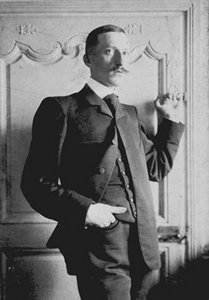
André Derain
1880 - 1954 , Francia
Datos clave
- Artistas Que Influyeron:
- Henri Matisse
- Pablo Picasso
- Eugène Carrière
- Van Gogh
- Cézanne
- Fecha De Fallecimiento: 8 de septiembre de 1954
- Fecha De Nacimiento: 10 de junio de 1880
- Lugar De Nacimiento: Chatou, Francia
- Movimiento Artístico: Fauvismo
- Nacionalidad: Francés
- Nombre Completo: André Derain
- Obras Notables:
- Harlequin y Pierrot
- Pinturas de Londres
- Bailarina fantástica
- El retorno de Ulises
Artículos relacionados
André Derain: Fauvism's Bold Visionary & the Evolution of Modern Color
Explore the revolutionary art of André Derain, co-founder of Fauvism. Discover his bold use of color, evolution from radical expressionism to classicism, and lasting influence on modern art history. Learn more at OriginalUniqueArt.
Wild Colors & Raw Emotion: A Definitive Guide to the Fauvist Art Movement
Explore the vibrant world of Fauvism. Discover how masters like Matisse and Derain revolutionized art through bold colors and raw emotion in this expert guide to the 'Wild Beasts' movement.

La Emoción en Crudo del Color: Explorando la Expresión Revolucionaria del Fauvismo
Descubre el Fauvismo: un movimiento artístico revolucionario que liberó el color y la emoción en la pintura. Explora a Matisse, Derain y Vlaminck con OriginalUniqueArt.
Fauvismo Expresionista: 10 Obras Maestras que Transformaron el Arte | OriginalUniqueArt
Descubre las 10 obras maestras del fauvismo que revolucionaron el arte. Explora la pasión, el color y la expresión de Matisse, Derain y más. Reproducciones de alta calidad en OriginalUniqueArt.com.
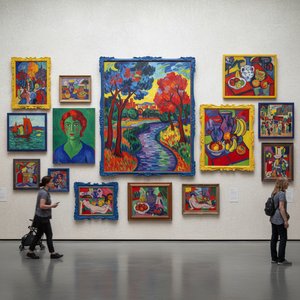
Fauvismo: 10 Obras Maestras que Revolucionaron la Pintura |
Descubre las 10 obras maestras del Fauvismo con Matisse, Derain y Vlaminck. Explora la historia, el color y la audacia de este movimiento artístico revolucionario. Reproducciones de arte exclusivas en .


