
 Ver en contexto
 Enviar
 Compartir
 Detalles
 Guía
Guía

 Descargar
 Similares
 Radiografía
 Presentación de diapositivas
 Preguntas y respuestas
 Estadísticas
Bartolomeo Savona

- 46.0 x 35.0 cm


 Ver más
Giclée / Impresión de arte
Impresiones giclée o en lienzo de calidad de museo con producción rápida y opciones de acabado flexibles. ( Comprar pintura hecha a mano Cambiar a imagen digital)




P118B €10

P118H €10

P118W €10

P438Z €10

P508JH €12

P508YH €12

P805H €10

P805Z €10

P919BZ €10

P919G €10

P919XJ €10

P959ZH €10

P968JZ €12

W106C €8

W218G €10

W218JH €8

W218Y €10

W307PJ €10

W316G €10

W316PJ €8

W316Y €10

W398PJ €8

W4111J €10

W500HY €15

W500JH €15

W692G €12

W849H €8

W940BG €15

W953PJ €8




Elija entre nuestros tamaños predefinidos que respetan las proporciones originales de la obra.

Introduzca el ancho y el alto que necesite para adaptarse a su marco o pared. Una impresión solo puede recortarse, nunca hacerse más grande que la imagen original, por lo que un tamaño con una forma distinta perderá parte de la obra. Le enviaremos una maqueta digital para su aprobación antes de realizar cualquier impresión. La imagen que se muestra en esta página no refleja el recorte real; solo la maqueta lo hace.
Envío a todo el mundo () en 2 semanas en lugar de las 4/5 semanas estándar. (6 noviembre)

Envío exprés gratuito a todo el mundo

Lienzo de lino de alta calidad

Seguro de envío total

Garantía de reembolso de aranceles aduaneros

Garantía de fidelidad cromática exacta

Política de devolución de 100 días (solo por defectos)

Garantía de devolución del 100% del dinero

Descuento por cantidad
 La opción de vidrio solo está disponible en tamaños inferiores a 110 cm.

Bartolomeo Savona
Giclée / Impresión de arte
Dimensiones de la reproducción
-


Precio total final
€ 72
Bartolomeo Savona by André Derain: A Portrait of Quiet Intensity
André Derain’s “Bartolomeo Savona,” painted in 1906, is more than just a portrait; it's a carefully constructed moment of introspective contemplation. The canvas, measuring 46 x 35 cm, immediately draws the eye to the subject – a man rendered with a striking directness that speaks volumes about Derain’s evolving approach to representation. Savona’s serious gaze, framed by a meticulously groomed beard and mustache, suggests a man of considerable thought and perhaps even hidden anxieties. The formal attire—a suit and tie—grounds him in a specific social context, hinting at the burgeoning modernity of early 20th-century France while simultaneously conveying an air of dignified restraint.
The Fauvist Influence and Bold Technique
- Fauvism’s Embrace: Created during Derain's pivotal period within the Fauvist movement, “Bartolomeo Savona” exemplifies the group’s radical departure from traditional artistic conventions. While not as overtly vibrant as some of his later works, the painting demonstrates a deliberate use of color – rich browns and deep blues – to evoke mood and emotion rather than simply replicating visual reality.
- Oil on Canvas: Executed in oil on canvas, the technique showcases Derain’s mastery of impasto, applying thick layers of paint to create textural surfaces that capture light and shadow with remarkable intensity. This tactile quality invites a closer examination of the brushstrokes themselves, revealing the artist's deliberate hand.
- André Derain’s Signature: The signature confirms this piece as one of the most important works from the artist’s early career.
Historical Context and Artistic Development
Painted in 1906, “Bartolomeo Savona” reflects a crucial moment in André Derain's artistic trajectory. Following his initial studies under Eugène Carrière, Derain was increasingly influenced by the revolutionary ideas of Henri Matisse and Paul Gauguin. This period saw him move away from academic realism towards a more subjective and expressive style – a hallmark of Fauvism. The painting’s composition, with its focused attention on Savona's face and upper body, aligns with this shift toward capturing emotional essence rather than photographic accuracy. The fact that the work was created during Derain's military service (1901-1904) further adds to its significance, suggesting a period of introspection and perhaps a heightened awareness of human experience.
Symbolism and Emotional Resonance
While seemingly straightforward in its depiction, “Bartolomeo Savona” possesses a subtle yet powerful emotional resonance. The subject’s intense gaze invites the viewer to engage in a silent dialogue, prompting questions about his thoughts and feelings. The formality of his attire suggests a certain social standing, perhaps even a burden of responsibility. The painting's quiet intensity speaks to the anxieties and uncertainties that characterized the early 20th century – a period of rapid change and profound societal shifts. It’s a portrait not just of a man, but of an era.
A Valuable Reproduction
OriginalUniqueArt offers meticulously crafted hand-painted reproductions of “Bartolomeo Savona,” ensuring that you possess a faithful representation of this significant work by André Derain. Each reproduction captures the nuances of the original painting’s technique and color palette, allowing you to bring this evocative portrait into your own space. Perfect for collectors, interior designers seeking a touch of artistic drama, or anyone captivated by the spirit of Fauvism, our reproductions provide an unparalleled opportunity to experience the power and beauty of Derain's vision.
Preguntas y respuestas
¿Qué estado de ánimo y emoción se entrelazan en "Bartolomeo Savona"?
El estado de ánimo que transmite "Bartolomeo Savona" de André Derain es Elegant, y su tono emocional es Reflective.
¿Cómo equilibra la luz y la sombra "Bartolomeo Savona"?
"Bartolomeo Savona" presenta un brillo general de shadow y una luminancia de Soft Shadow.
¿Para qué estancia se recomienda "Bartolomeo Savona" de André Derain?
Una reproducción de "Bartolomeo Savona" queda muy bien en un Living Room.
Biografía del artista
Primeros Años y Formación
- Nacimiento y Familia: André Derain nació el 10 de junio de 1880 en Chatou, Yvelines, Île-de-France, justo fuera de París.
- Estudio Independiente: Contrariamente a algunas cuentas, Derain comenzó a pintar independientemente en 1895, antes de conocer a Vlaminck o Matisse. Ocasionalmente iba al campo con Father Jacomin y sus hijos.
- Educación Formal: En 1898, estudió ingeniería en la Académie Camillo, donde conoció a Matisse y posteriormente asistió a clases de pintura bajo Eugène Carrière.
- Abandono de la Ingeniería: Tras el servicio militar (1901-1904), Derain fue persuadido por Matisse para abandonar su carrera de ingeniería y dedicarse a la pintura. Luego asistió a la Académie Julian.
Fauvismo y Desarrollo Artístico Temprano
- Colaboración con Matisse: Derain colaboró estrechamente con Henri Matisse, particularmente durante el verano de 1905 en Collioure, lo que resultó en obras como "Montañas en Collioure".
- Salón d'Automne (1905): Su exposición en el Salon d'Automne marcó un momento crucial, llevando al crítico Louis Vauxcelles a acuñar el término "Fauves" ("bestias salvajes") debido a su audaz y poco convencional uso del color.
- Pinturas de Londres: En 1906, Derain fue enviado a Londres por Ambroise Vollard, produciendo una serie de pinturas que representaban la ciudad de una manera nueva y sorprendente, centrándose en el Támesis y el Tower Bridge. Estas obras se consideran entre sus más significativas.
- Influencias y Estilo: El trabajo Fauvista temprano se caracteriza por colores intensos y no naturalistas y pinceladas expresivas. Derain fue influenciado por artistas como Van Gogh y Cézanne.
Evolución del Estilo y Obras Posteriores
- Transición hacia el Clasicismo: Después de 1907, el estilo de Derain comenzó a evolucionar, alejándose de la paleta puramente fauvista hacia tonos más apagados y una mayor énfasis en la forma. Este período (1911-1914) a veces se conoce como su "fase gótica".
- Influencia del Cubismo y los Maestros Antiguos: El trabajo de Derain durante este tiempo reflejó su estudio de los Maestros Antiguos, incorporando elementos del Cubismo y un renovado interés en las formas clásicas.
- Diseño de Ballet: En 1919, diseñó el ballet "La Boutique Fantasque" para Diaghilev, demostrando su versatilidad como artista.
- Obras Notables: Las obras clave de este período incluyen "Arlequín y Pierrot", "El Retorno de Ulises" (un gran mural) y varios paisajes y bodegones que muestran su estilo en evolución.
Legado y Significado Histórico
- Co-fundador del Fauvismo: Derain es reconocido como una figura clave en el desarrollo del Fauvismo, junto con Matisse, contribuyendo significativamente al movimiento artístico moderno de principios del siglo XX.
- Visión Única de Londres: Su serie de pinturas que representan Londres ofreció una perspectiva fresca y distintiva de la ciudad, apartándose de las representaciones artísticas anteriores.
- Reconocimiento en el Período de Posguerra: Después de la Primera Guerra Mundial, Derain ganó un nuevo reconocimiento por sus contribuciones a un clasicismo renovado en el arte.
- Años Posteriores y Controversia: A pesar de ganar el Premio Carnegie en 1928, Derain enfrentó controversias durante la Segunda Guerra Mundial debido a su presencia en Alemania y posteriormente fue marginado por algunos de sus antiguos seguidores.
- Muerte y Recuerdos: André Derain murió el 8 de septiembre de 1954. Su trabajo continúa siendo celebrado por sus colores audaces, composiciones expresivas y significativa contribución a la historia del arte moderno.
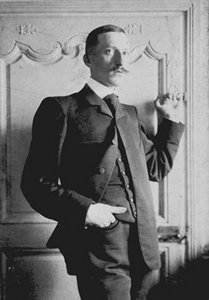
André Derain
1880 - 1954 , Francia
Datos clave
- Artistas Que Influyeron:
- Henri Matisse
- Pablo Picasso
- Eugène Carrière
- Van Gogh
- Cézanne
- Fecha De Fallecimiento: 8 de septiembre de 1954
- Fecha De Nacimiento: 10 de junio de 1880
- Lugar De Nacimiento: Chatou, Francia
- Movimiento Artístico: Fauvismo
- Nacionalidad: Francés
- Nombre Completo: André Derain
- Obras Notables:
- Harlequin y Pierrot
- Pinturas de Londres
- Bailarina fantástica
- El retorno de Ulises
Artículos relacionados

Luz y Textura Eterna: El Poder del Óleo sobre Lienzo en el Impresionismo
Descubre la maestría del óleo y el impasto en el impresionismo. Explora la textura y luz de los grandes maestros ahora.

The Enduring Legacy of Oil on Canvas: Technique, History & Aesthetic Impact
Explore the rich history & techniques of oil painting – from Renaissance masters to Impressionism. Discover pigments, layering methods, and why this timeless medium endures. Expert insights for artists & art enthusiasts.
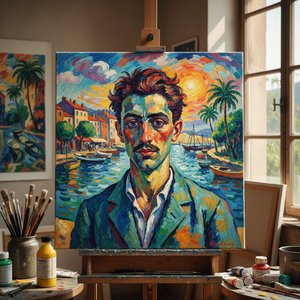
André Derain: Fauvism's Bold Visionary & the Evolution of Modern Color
Explore the revolutionary art of André Derain, co-founder of Fauvism. Discover his bold use of color, evolution from radical expressionism to classicism, and lasting influence on modern art history. Learn more at OriginalUniqueArt.

El Legado Duradero del Óleo sobre Lienzo: Técnica, Historia y Práctica Contemporánea
Descubre la historia y técnica del óleo sobre lienzo. Explora reproducciones fieles hechas a mano, personalización artística y consejos de expertos con .

El Óleo sobre Lienzo: Historia, Técnica y la Persistencia de un Medio Artístico Atemporal
Descubre la historia y técnica del óleo sobre lienzo. Explora reproducciones fieles hechas a mano, personalización artística y consejos de expertos con OriginalUniqueArt. ¡Colecciona arte con confianza!


