Impressionism
Back (André Derain)
André Derain (1880–1954) creó Back. Pertenece al movimiento Impressionism. Está realizado en Oil On Canvas.
- Oil On Canvas

 Ver en contexto

 Óleo pintado a mano
 Enviar
 Compartir
 Ficha técnica


 Descargar
 Similares
 Radiografía
 Presentación de diapositivas
 Preguntas y respuestas

 Estadísticas
Back en breve
- Título
- Back
- Artista
- André Derain (1880–1954)
- Lugar de nacimiento del artista
- Chatou, Francia
- Técnica
- Oil On Canvas
- Movimiento
- Impressionism
- Época
- Modern
- Tema
- nude figure, male form, warm palette, impressionism, vulnerability, introspection
¿Qué representa Back?
Identification of the Artwork and Artist
The painting Back emerges from the shadows, a quiet study of the human form captured by André Derain. This work focuses entirely on a nude male figure, turning the gaze toward the contours of the subject's spine and shoulders. The composition centers on the torso, presenting a view that feels both intimate and deeply personal.
In this piece, André Derain directs our attention to the physical presence of the man, specifically the back that faces the viewer. The subject remains still, offering a sense of vulnerability through the exposure of the skin and the musculature of the upper back. It is a moment of stillness, where the focus rests solely on the organic lines of the body as it recedes into an indistinct, dark background.
Composition and Visual Elements
The composition centers tightly upon the torso and upper back of the male figure. This focus creates a shallow perspective, pulling the viewer into the immediate space directly in front of the subject. As the eye moves outward, the figure begins to recede into a dark, indistinct background that offers no sense of a wider room or landscape. This lack of environmental detail keeps the attention locked on the physical presence of the body.
Light moves across the skin in a dramatic and directional manner. It catches the ridges of the musculature, carving out the form through high contrast and casting deep, heavy shadows. The palette relies on a warm harmony of ochres, golds, and browns. These tones wrap around the subject, lending a sense of heat and intimacy to the scene. Every shape follows a curvilinear logic, as the organic, flowing lines of the anatomy define the boundaries of the form.
Technique and Artistic Style
The artist works with traditional oil paints on canvas, building the surface through a deliberate process of layering and blending. This method allows for a subtle modulation of light across the skin, creating a sense of warmth and physical presence. The application of paint is thick and textured, suggesting a heavy impasto technique where the brush leaves a tangible, raised mark upon the fabric. These physical ridges of pigment catch the light, adding a tactile dimension to the form.
The style leans toward realism, yet it is filtered through a loose, impressionistic treatment. Rather than seeking photographic precision, the hand moves with a sense of immediacy, using visible brushstrokes to define the contours of the body. This approach prioritizes the emotional weight of the light and texture over strict anatomical exactitude. The result is a work that feels alive and breathing, captured in a moment of soft, directional illumination that dances across the musculature.
Imágenes en alta resolución de Back

André Derain, Back. Dominio público
Preguntas sobre Back respondidas
¿Con qué técnica se realizó "Back"?
"Back" está realizada en Oil On Canvas.
¿Qué representa "Back" de André Derain?
Los temas presentes en "Back" de André Derain incluyen nude figure, male form, warm palette, impressionism, vulnerability, introspection, texture, back view, los cuales resumen la temática de la obra.
¿Se puede reproducir libremente la imagen de "Back" de André Derain?
"Back" de André Derain es de en el dominio público: sus derechos de autor han expirado. Este estado determina cómo se puede reproducir la imagen de la obra.
¿Quién es el artista detrás de "Back"?
"Back" se atribuye a André Derain.
¿A qué movimiento artístico pertenece "Back" de André Derain?
"Back" de André Derain pertenece al movimiento Impressionism. Este movimiento aporta el contexto estilístico de la obra.
¿A qué etapa de la trayectoria de André Derain pertenece "Back"?
"Back" pertenece al Mature Period de la trayectoria de André Derain. Esta clasificación vincula la obra con el desarrollo del artista.
¿A qué se debe la situación de los derechos de autor de "Back" de André Derain?
"Back" de André Derain es de en el dominio público: sus derechos de autor han expirado. Los términos de derechos de autor se calculan a partir del fallecimiento del artista, y André Derain murió en 1954.
¿Qué lugar ocupa "Back" dentro de la obra de André Derain?
"Back" comparte con otras obras de André Derain su estilo Impressionism y sus temas recurrentes: impressionist light & color, post-impressionist exploration, human form, vulnerability", french landscape influence, "symbolic exposure, honesty", derain's nude series focus.
¿Es "Back" representativo de la temática habitual de André Derain?
Los temas recurrentes de André Derain incluyen impressionist light & color, post-impressionist exploration, human form, vulnerability", french landscape influence, "symbolic exposure, honesty", derain's nude series focus; "Back" se centra en nude figure, male form, warm palette, impressionism, vulnerability, introspection, texture, back view.
Sobre el artista, André Derain
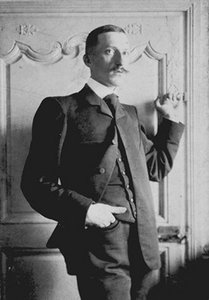
1880–1954, Francia
André Derain
Primeros años, familia y formación En el año 1880, André Derain llegó al mundo en Chatou, un pueblo enclavado en la región de Yvelines, en Francia. Sus primeros años estuvieron moldeados por los paisajes tranquilos de la Île-de-France, donde una curiosidad natural por su entorno comenzó a echar raíces. Para 1895, ya había comenzado a estudiar de forma autodidacta, buscando comprender el mundo visual a través de sus propios ojos en lugar de seguir una instrucción formal. Este periodo de exploración independiente le permitió desarrollar una forma personal de mirar antes de que el rigor de una academia pudiera imponer su voluntad sobre él.
Otras obras de André Derain
 bañistas1907
 London Bridge1906
 Charing Cross desde el suroeste1906
 Paisaje en L'Estaque1906
Ensayos sobre Back
 The Evolving Human Form: Tracing Light and Flesh from Impressionism to Post-ImpressionismExplore the evolution of the human form from academic realism to Post-Impressionism. Trace the history of light and flesh with us.
 Anatomy, Idealism, and Realism: A History of the Female Nude in PaintingExplore the technical evolution of the female nude from Renaissance anatomy to Impressionist light. Trace art history with our expert guide.
 Espontaneidad y materia: Distinguir CoBrA de Art InformelAprende a distinguir CoBrA del Art Informel mediante sus técnicas y artistas clave. ¡Descubre las diferencias ahora!